Conventions
The Ogust Convention
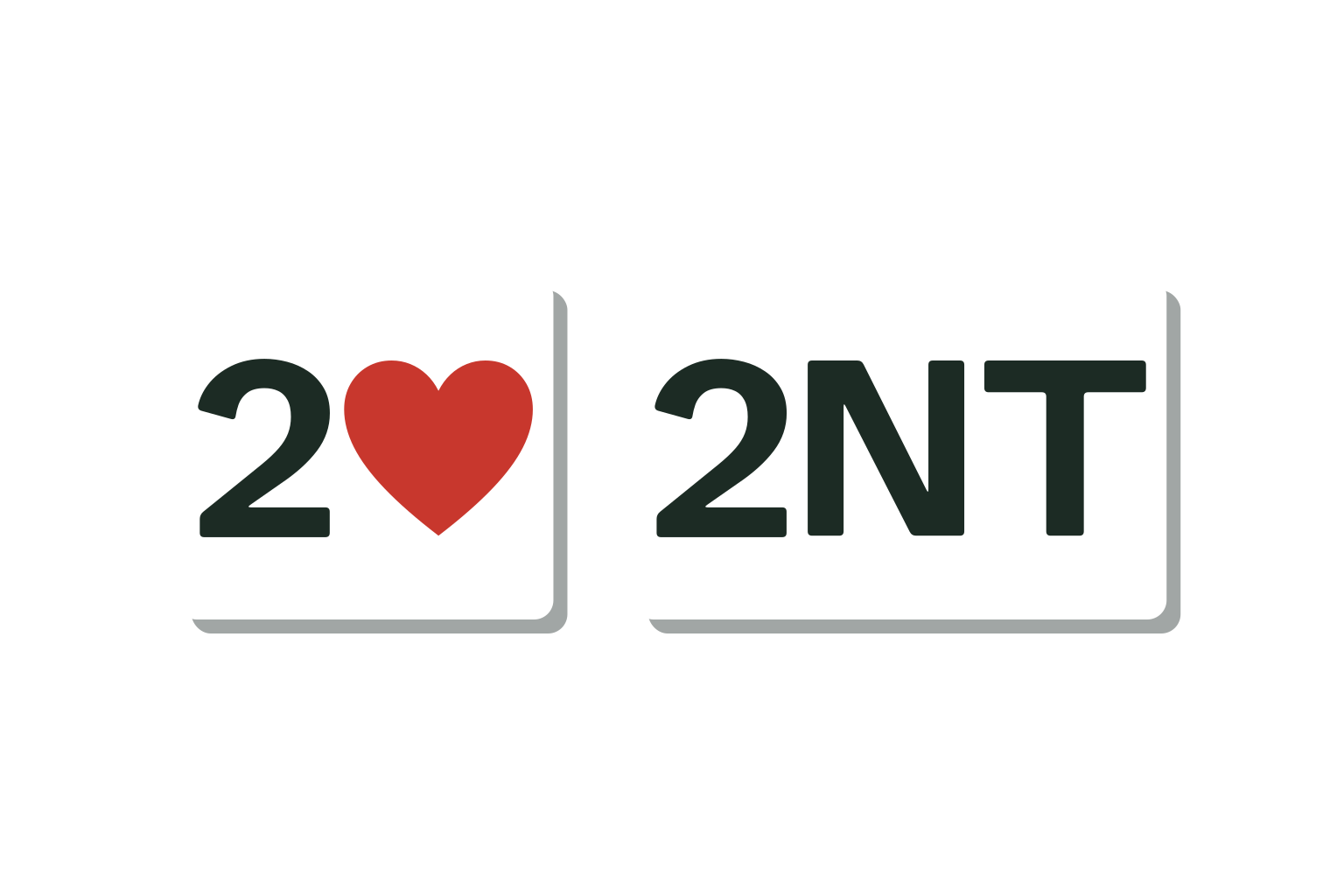
Ogust is a 2NT bid that responder makes after partner opens with a weak two bid. That opening leaves two things vague, how strong the hand is and how good the suit is, and opener's reply to Ogust describes both at once. Responder then knows whether to stop low, bid game or look further.
How the Ogust convention works
Responder bids 2NT over partner's weak two. The bid is artificial and forcing, and it says nothing about notrump. Opener describes the hand in steps. The first word of each answer is the range, the second the suit. To keep the order straight, minimum answers come first, and within each pair the poor suit comes before the good one.
The same steps apply over 2♦ and 2♥. Over 2♥, the 3♥ answer (maximum, poor suit) is also opener's own suit, so responder can pass it. Over 2♠, the 3♠ answer is the strongest one short of a solid suit, and responder can still stop there.
What counts as good and maximum
The answers only work if both partners use the same definitions. The usual ones are:
- Good suit: two of the top three honors (AK, AQ or KQ). Some partnerships also count AJT or KJT.
- Poor suit: one top honor or none.
- Minimum: roughly the bottom half of your weak two range, about 5 to 7 points not vulnerable.
- Maximum: the top half, about 8 to 10 points. Count the points in the suit and outside.
- Solid suit: AKQ to six, a source of six tricks with no help from partner. Responder with stoppers can pass 3NT.
Vulnerable weak twos are usually stronger and have better suits, so the vulnerable "minimum, poor suit" answer is rare. When it comes up, it usually means opener is at the very bottom of what the partnership allows.
Using the answers
Responder bids 2NT with a hand that wants to know whether game is on, usually 15 points or more with a fit, or a strong hand with no fit that is considering 3NT. After the answer:
- Over a minimum with a poor suit, sign off in three of opener's suit. Opener passes.
- Over a maximum with a good suit, bid game in the suit, or 3NT with stoppers and a doubleton in opener's suit.
- In between, use judgment. A poor suit opposite a singleton is a bad sign for 3NT, while a good suit opposite a small doubleton is fine for game in the suit.
- A new suit after the Ogust answer is natural and forcing, looking for the best game.
Example hands
Common mistakes
- Answering on points alone. The suit quality is half the answer. KQ10xxx and 7 points is "minimum, good suit," not "minimum."
- Forgetting that 2NT is forcing. Opener never passes 2NT, even with the worst possible weak two.
- Bidding 2NT with a weak hand. Responder should have at least invitational values. With a fit and nothing else, raise preemptively instead.
- Mixing up the order with a partner who plays a different version. Some partnerships swap 3♦ and 3♥, which was Ogust's own original order. Agree on the order before you play.
Ogust or the feature ask?
The other common meaning for 2NT is the feature ask, where opener with a non-minimum shows an outside ace or king and rebids the suit with a minimum. The feature ask helps responder judge 3NT, because an outside ace or king may be the stopper responder needs. Ogust helps more when weak twos vary widely in strength and suit quality. The feature ask is the more common choice, and the weak two bids guide shows it in full. For competitive auctions after the opponents' weak two, see lebensohl.
The bidding tree
The Ogust tree below has the 2NT ask after each of 2♦, 2♥ and 2♠, with the five step answers and responder's main continuations.
Loading the convention from the library.
Common questions
Short answers to what readers ask most.
- What is the Ogust convention in bridge?
- It is an artificial 2NT response to partner's weak two bid that asks for both range and suit quality. The reply ranges from 3♣ (bottom of the range, weak suit) to 3NT (a solid suit). Harold Ogust devised it.
- What are the Ogust responses?
- 3♣ shows a minimum with a poor suit, 3♦ a minimum with a good suit, 3♥ a maximum with a poor suit, 3♠ a maximum with a good suit, and 3NT a solid suit such as AKQxxx.
- What is a good suit for Ogust?
- Usually two of the top three honors: AK, AQ or KQ. A suit with only one of them is poor.
- Is Ogust forcing?
- Yes. The 2NT ask is forcing and opener must answer. Responder's signoff in three of opener's suit after the answer is not forcing.
- What if an opponent bids over 2NT?
- Agree this with your partner. A common agreement keeps the steps on after a double of 2NT. After an overcall they are off, and opener can double for penalties, pass with a minimum, or rebid the suit.
- Can you use Ogust over a weak 2♦?
- Yes. The steps are the same, and over 2♦ the 3♦ answer shows a minimum with a good suit. Responder can then pass or bid on.
- Is Ogust better than the feature ask?
- Neither is clearly better. Ogust tells responder more about the weak two itself, while the feature ask shows the outside stopper that helps responder bid 3NT. Many players prefer Ogust when weak twos vary widely in quality.
Practice: the Ogust convention
Eight quick questions on what you just read. For a longer session, bid a hundred hands or take the hundred-question quiz.