

Conventions
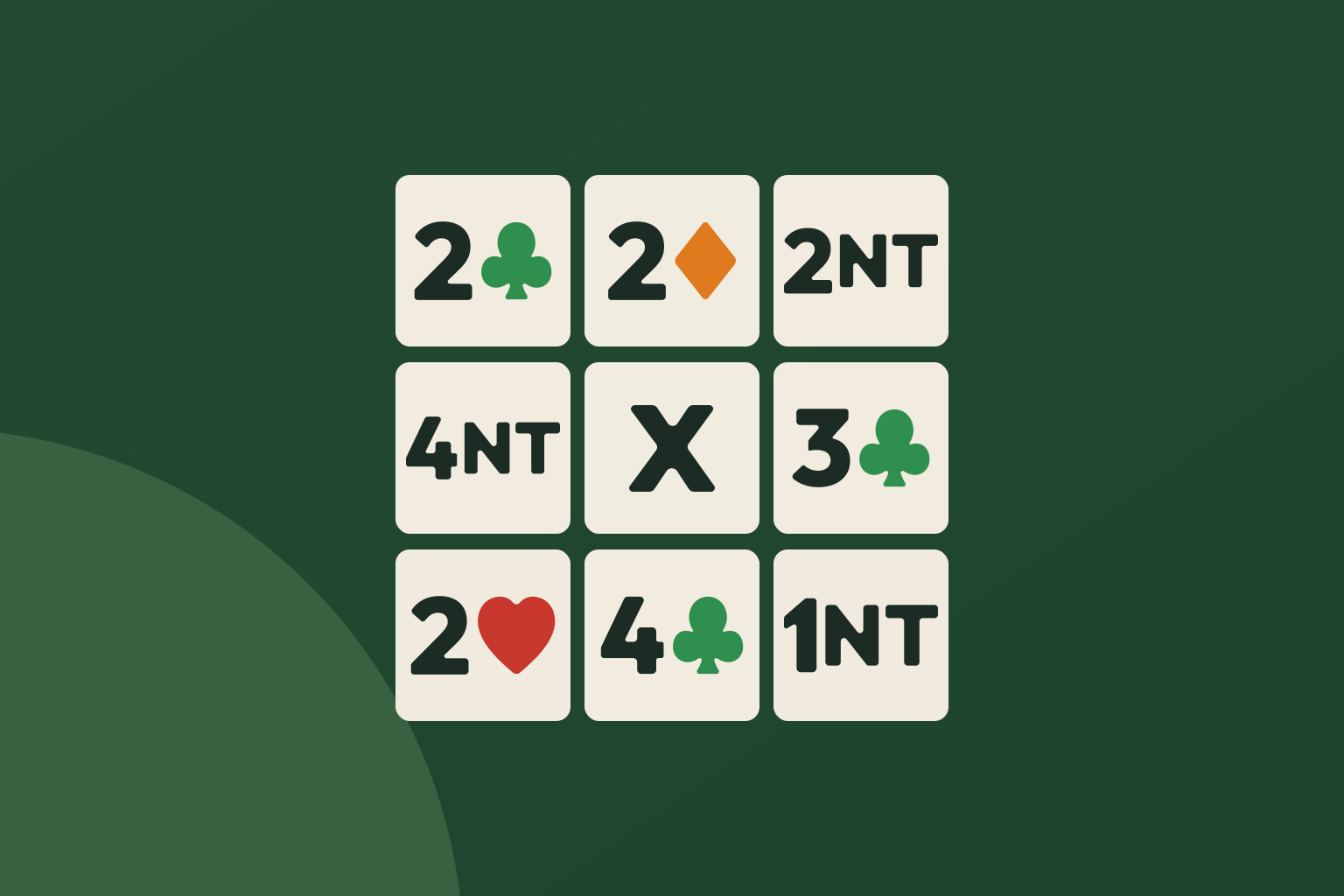
After a 1NT opening
The Stayman Convention
Stayman is the 2♣ response to 1NT that asks for a four-card major. Requirements, every response, garbage Stayman, continuations and example hands, with the full bidding tree.
Puppet Stayman
Puppet Stayman is the 3♣ ask over 2NT that finds a five-card major as well as a four-card one. The responses, how responder shows a major, the 1NT version, Muppet Stayman and example hands.
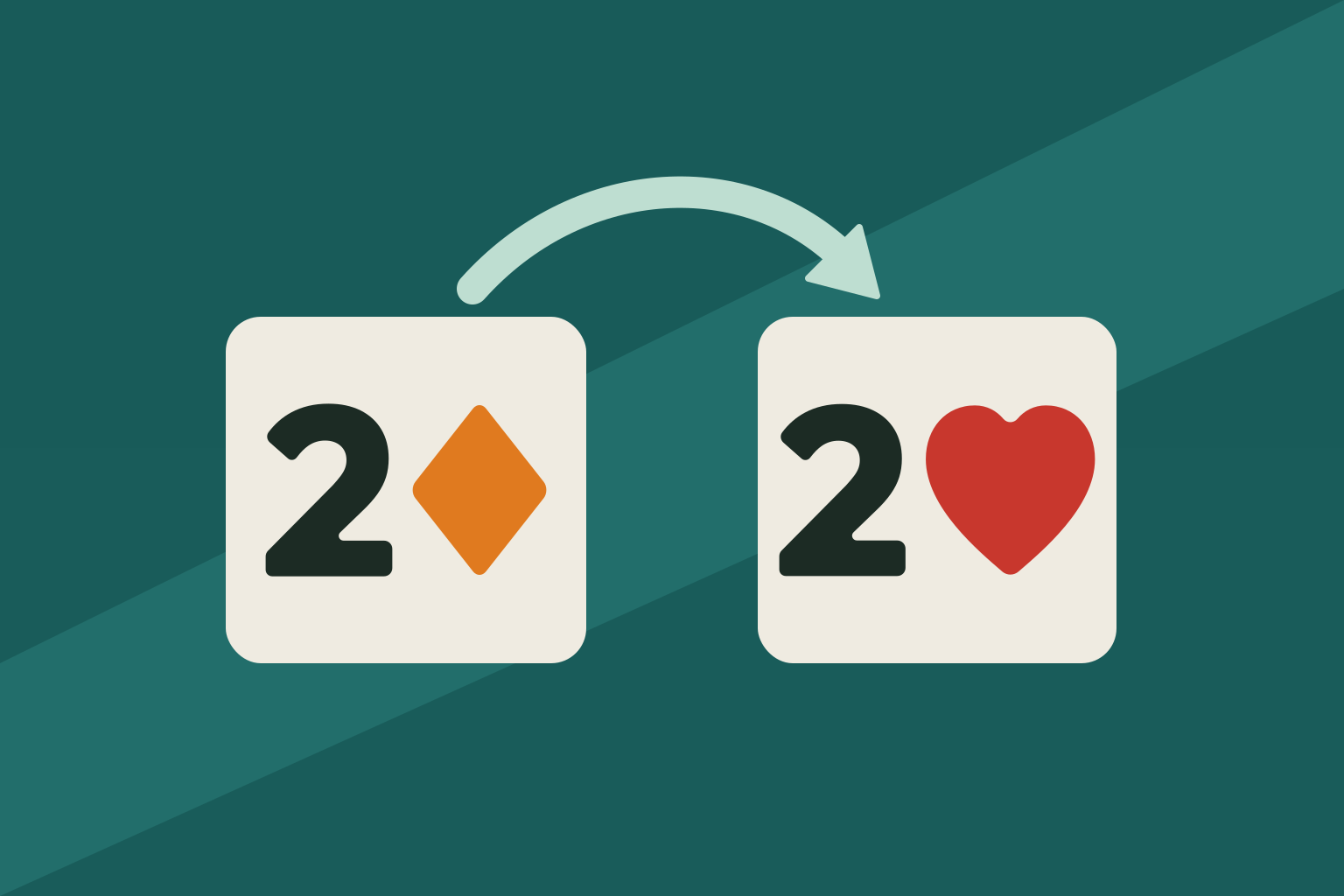
Jacoby Transfers
Jacoby transfers let responder show a five-card major after 1NT: 2♦ transfers to ♥, 2♥ to ♠. Requirements, continuations, super-accepts and examples.
The Texas Transfer
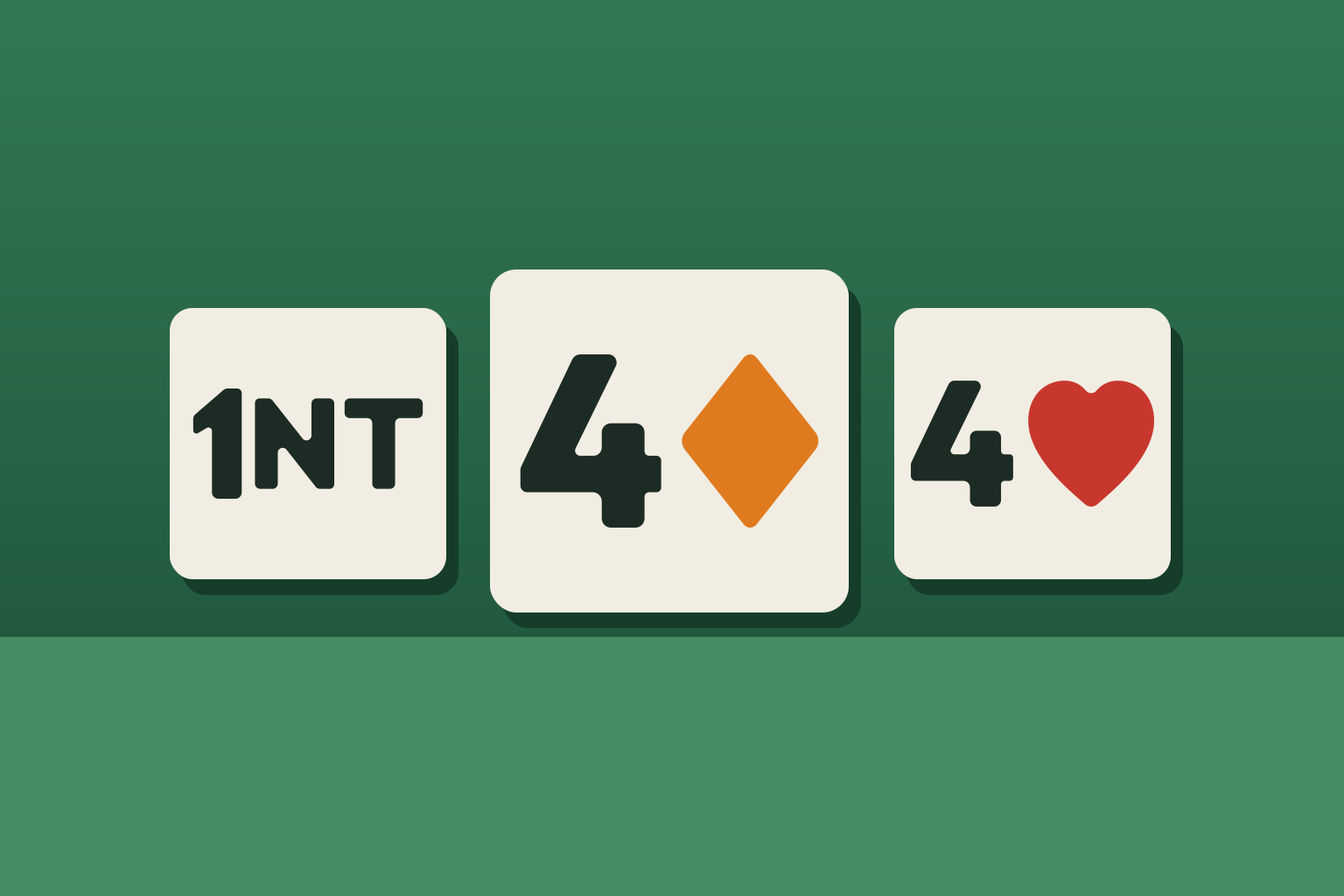
The Texas transfer jumps to 4♦ or 4♥ over 1NT with a six-card major and game values. How it differs from Jacoby, slam tries with Texas, and example hands.
Smolen convention
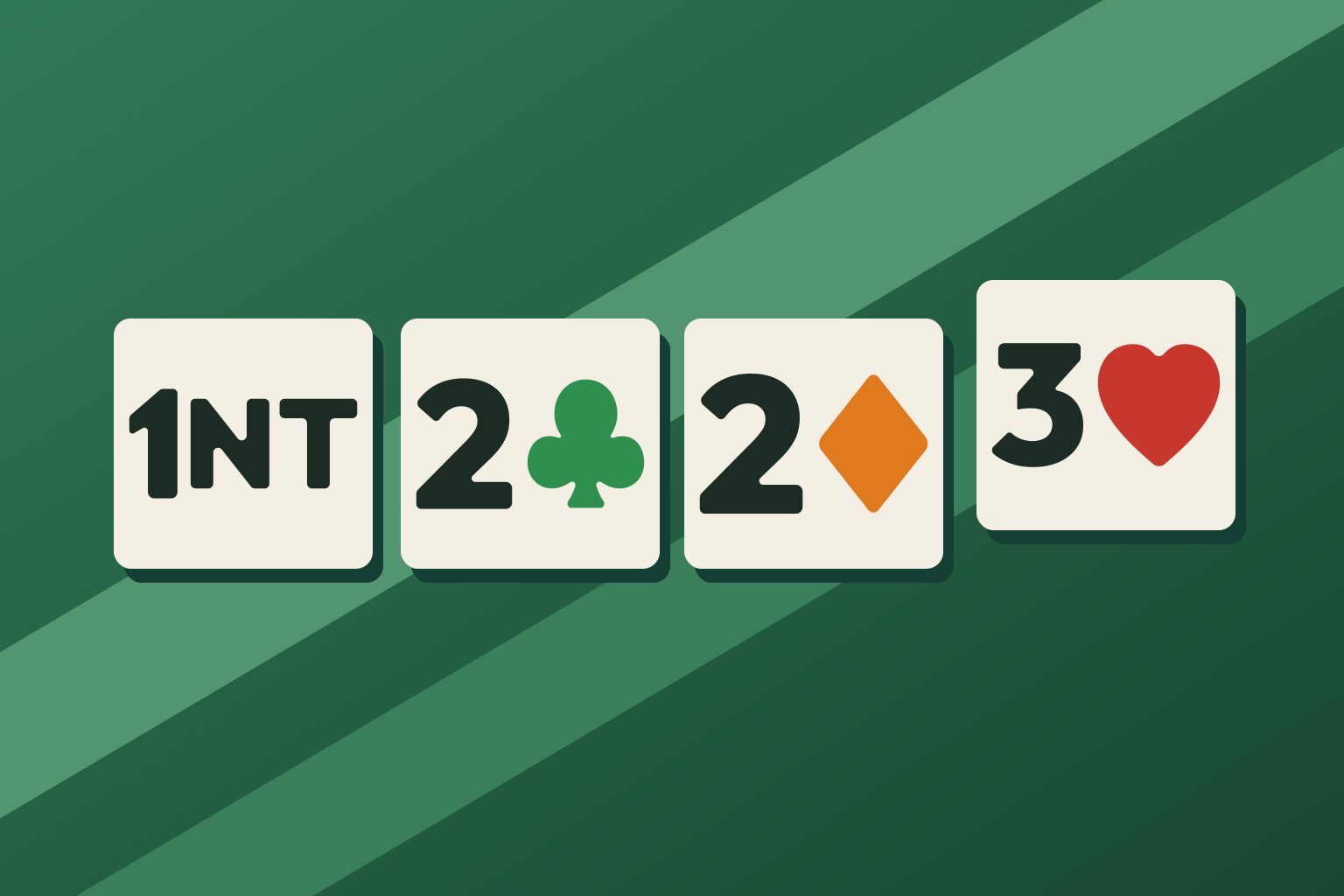
How the Smolen convention works after 1NT - 2♣ - 2♦: the jump in the four-card major, opener's rebids, 5-5 and 6-4 hands, Smolen over 2NT and worked hands.
Raising partner
Jacoby 2NT
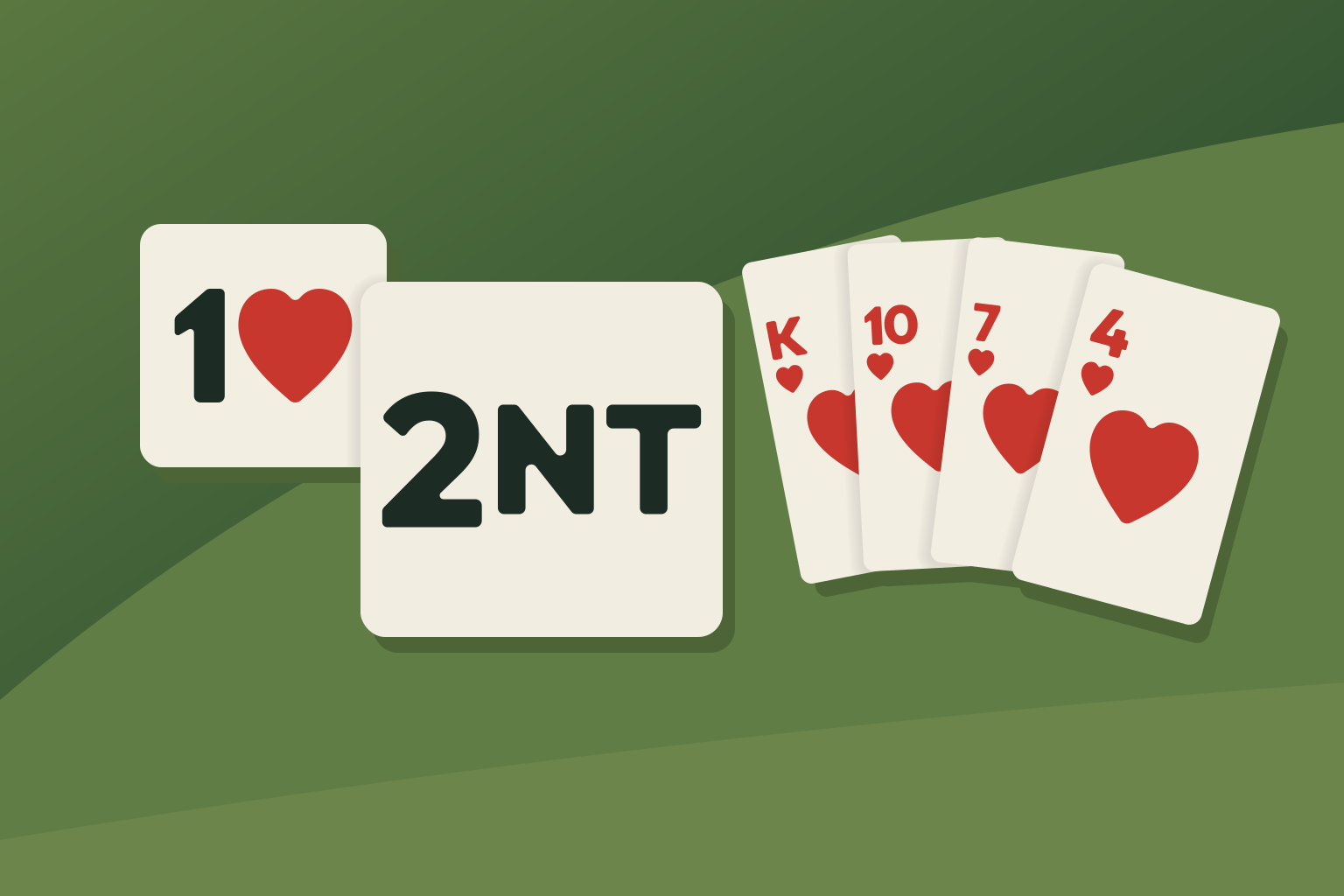
Jacoby 2NT is the game-forcing raise of a one-major opening with four-card support. Opener's responses showing shortness and strength, follow-ups, and example auctions.
Bergen Raises
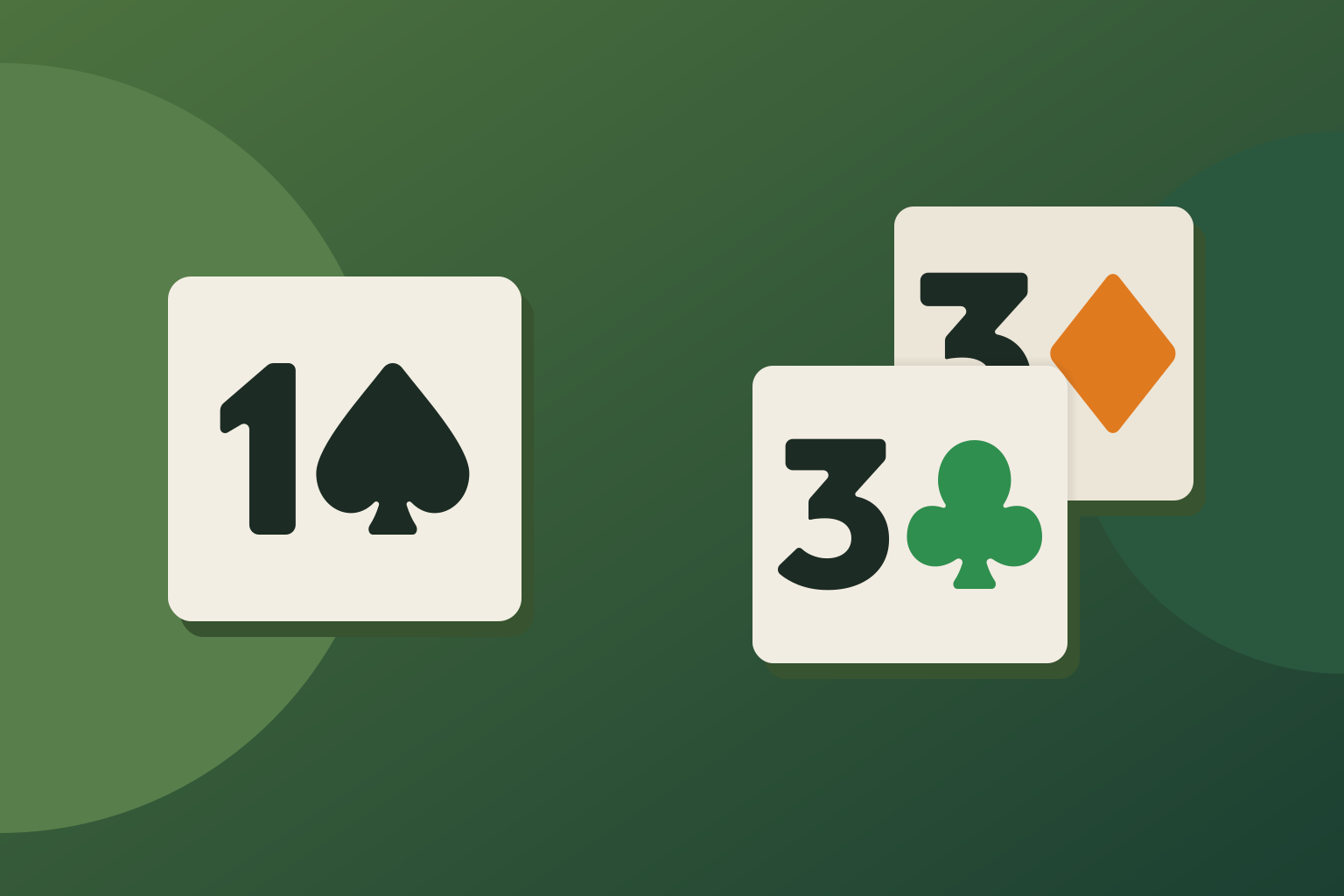
Bergen raises use 3♣ and 3♦ over a one-major opening to show four-card support with constructive or limit values. The structure, reverse Bergen, and examples.
Splinter Bids
A splinter is a double jump in a new suit showing a singleton or void there, four-card support and game values. When to splinter, how opener evaluates, and example slams.
Inverted Minors
Inverted minors swap the raises of a one-minor opening: the single raise is strong and forcing, the jump raise is weak. Requirements, continuations, criss-cross and examples.
The Drury Convention
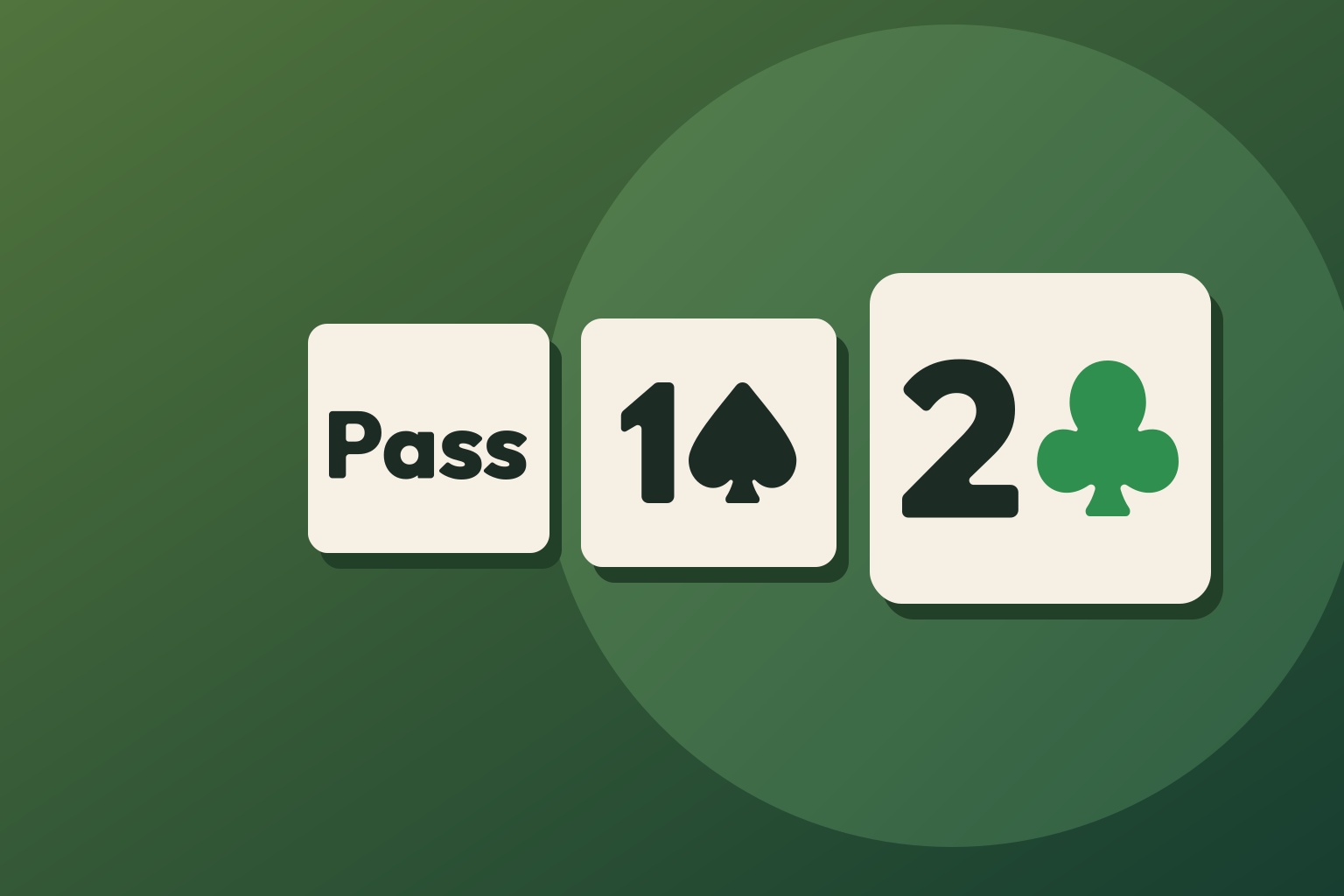
Drury is the passed hand's 2♣ response to a third- or fourth-seat major opening, showing a limit raise. Opener's replies, reverse Drury, two-way Drury and examples.
Reverse Drury
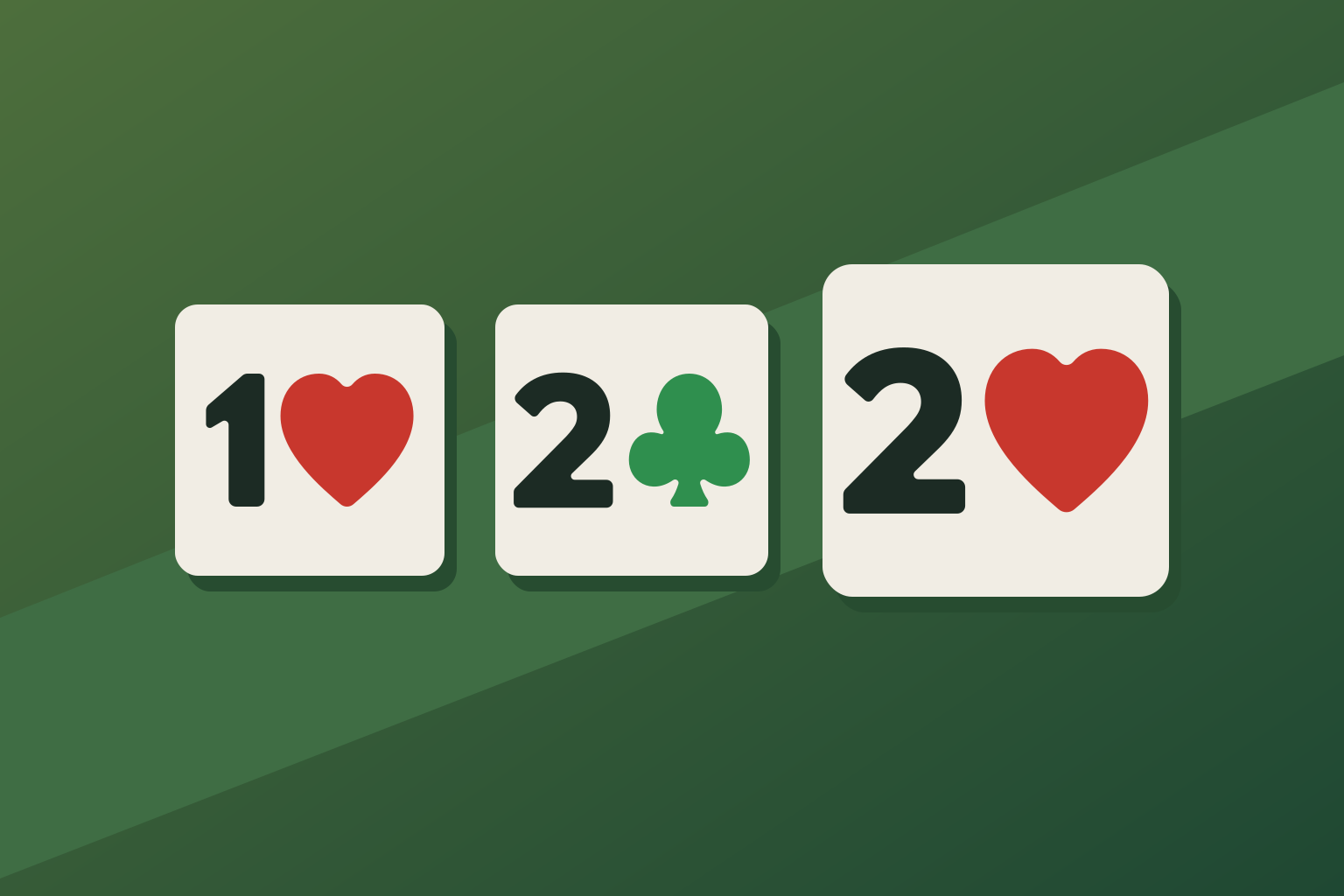
Reverse Drury flips the original: opener's rebid of the major is now the weak sign-off and 2♦ shows a real opening. Two-way Drury adds 2♦ for four-card support.
Limit raises
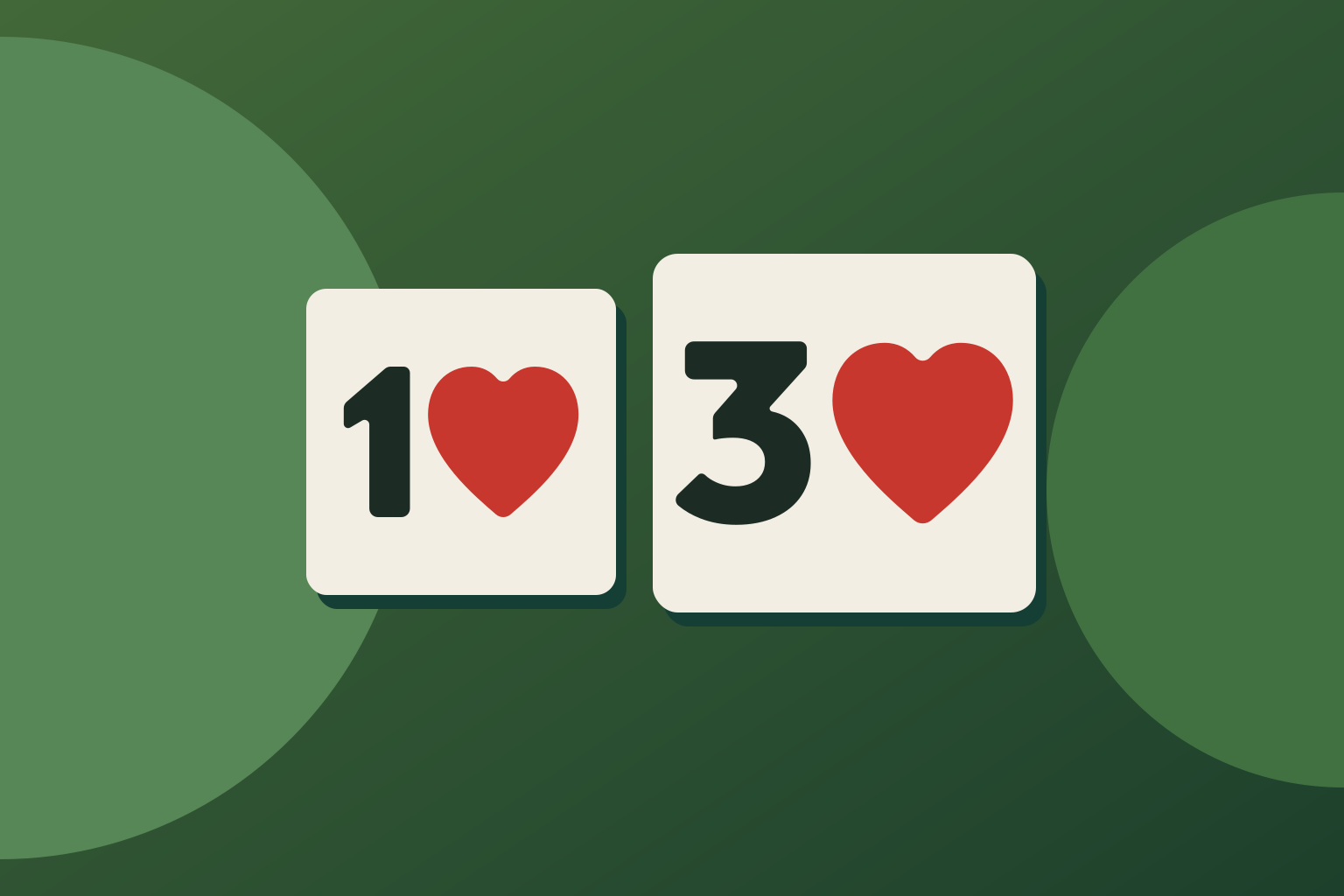
A limit raise in bridge is a jump raise of partner's suit showing 10 to 12 points. Trump length, opener's rebids, minors, competition and examples.
Help suit game tries
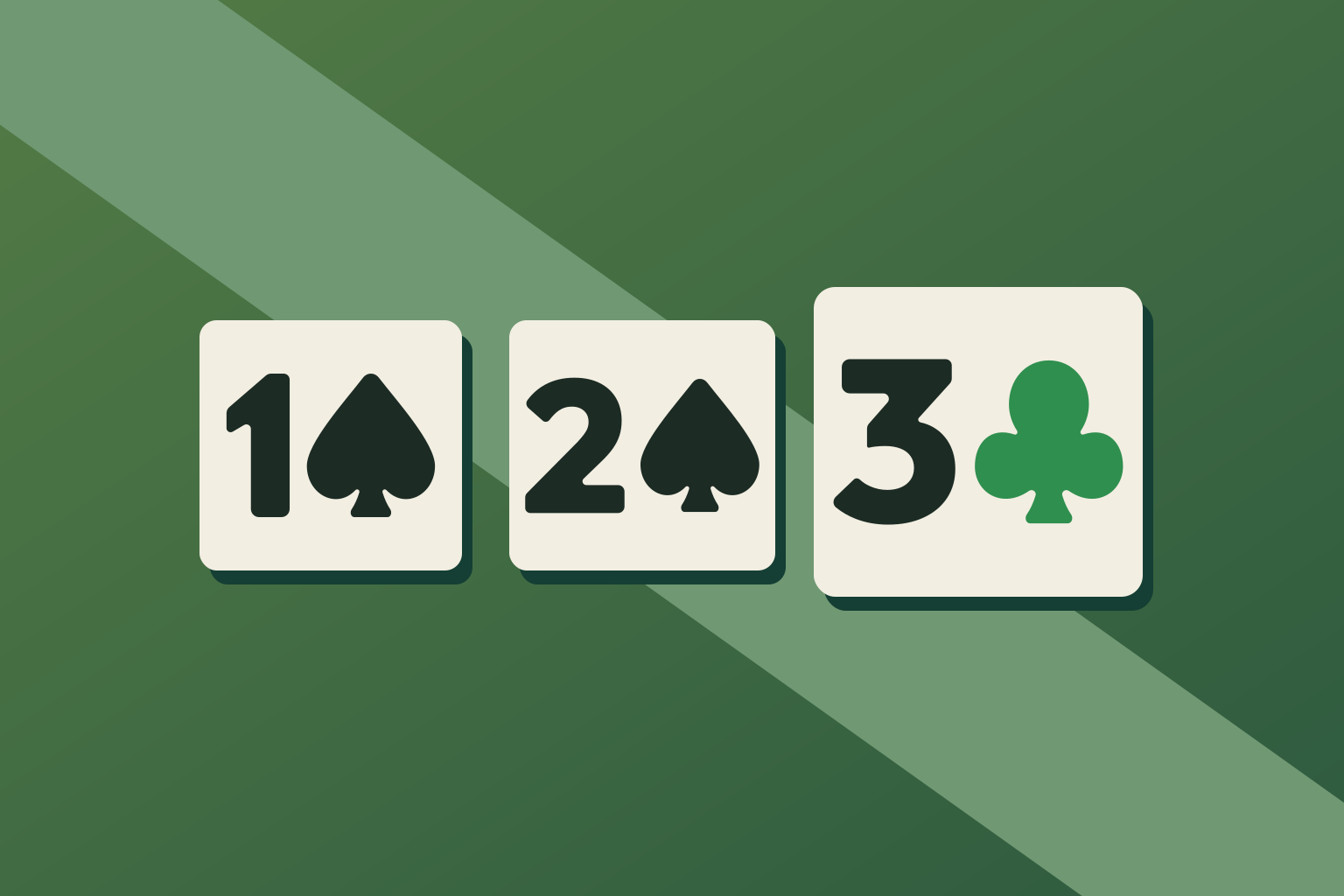
How help suit game tries work after a single raise of a major: when opener tries, which suit to bid, how responder answers, with worked hands.
Rebids and checkback
New Minor Forcing
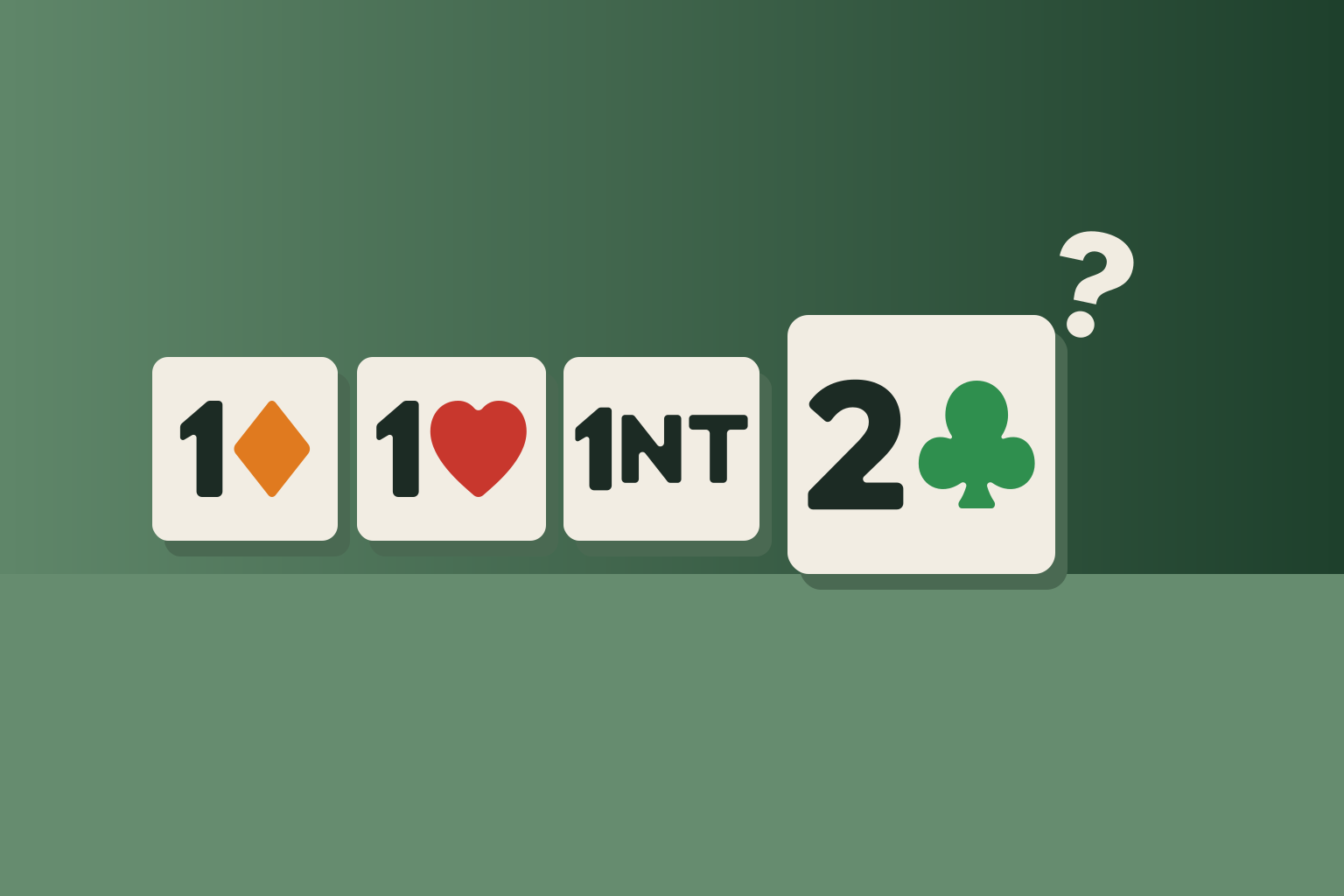
New minor forcing is responder's bid of the unbid minor after opener rebids 1NT, asking for three-card support or a four-card major. Responses, follow-ups, two-way NMF and examples.
Fourth Suit Forcing
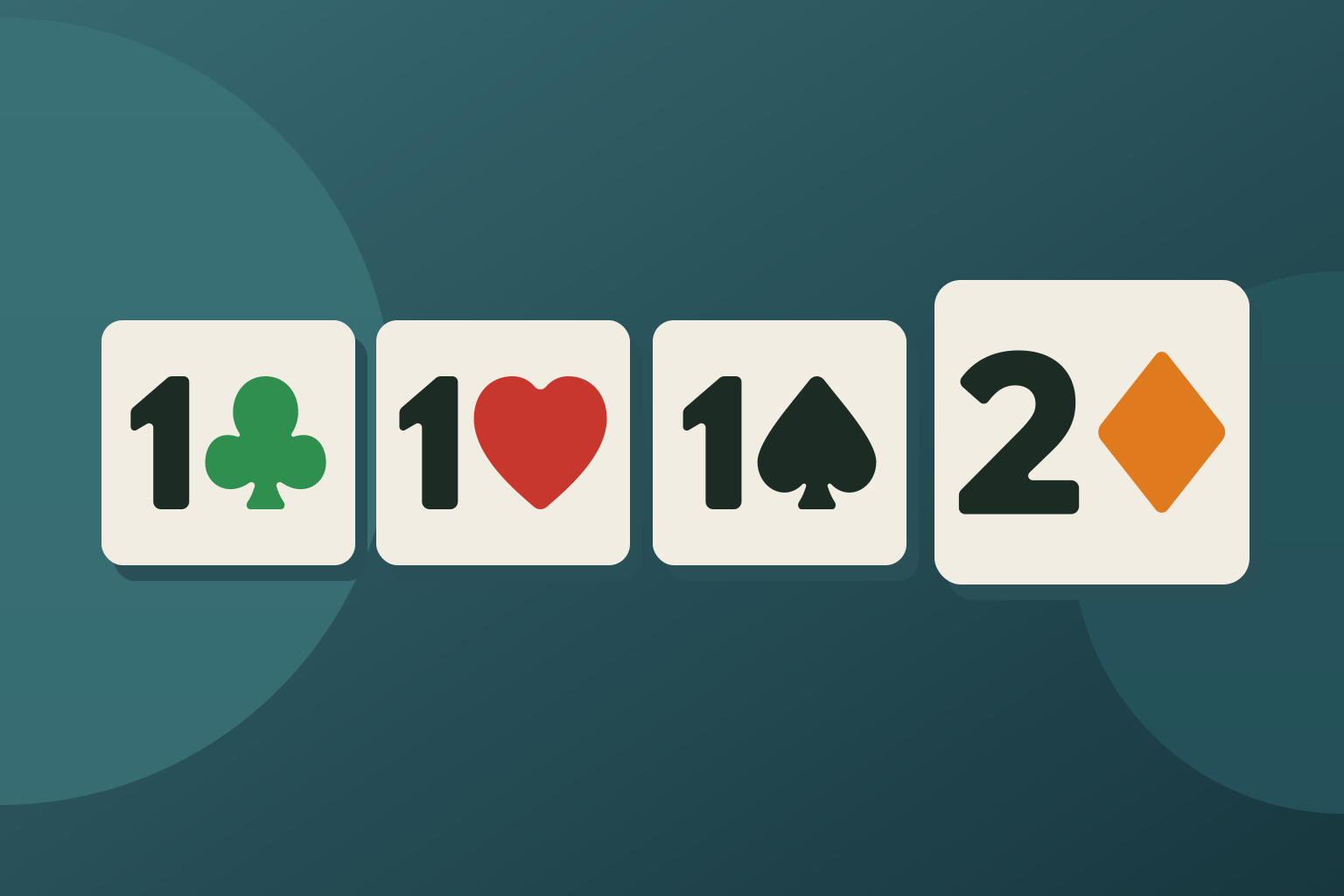
Fourth suit forcing makes the bid of the fourth suit artificial and forcing, asking opener to describe their hand. Game-forcing or one round, opener's priorities and example auctions.
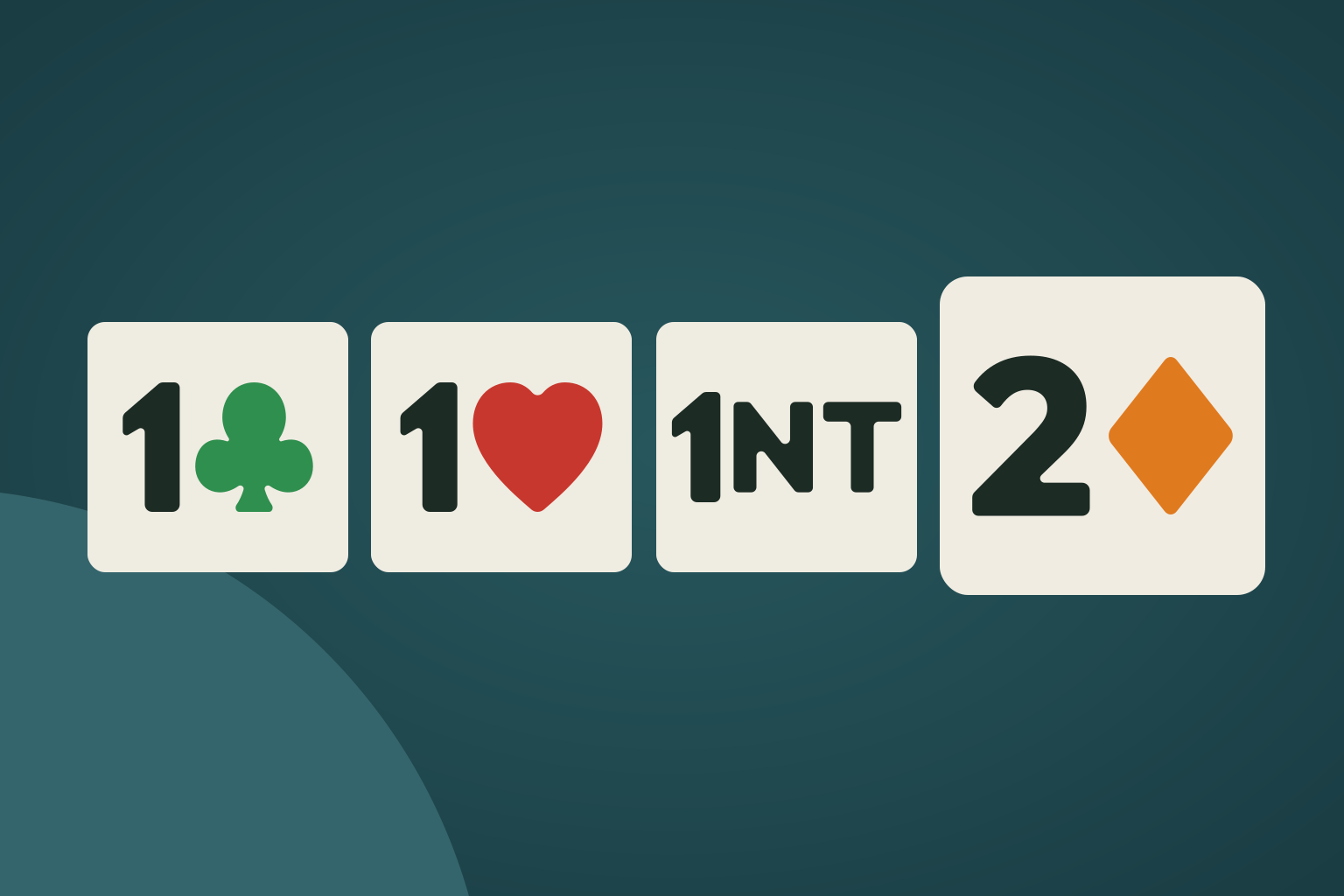
The XYZ Convention
XYZ applies after any three one-level bids: 2♣ is a relay to 2♦ for invitational hands, 2♦ is game forcing. The structure, follow-ups and how it compares with new minor forcing.
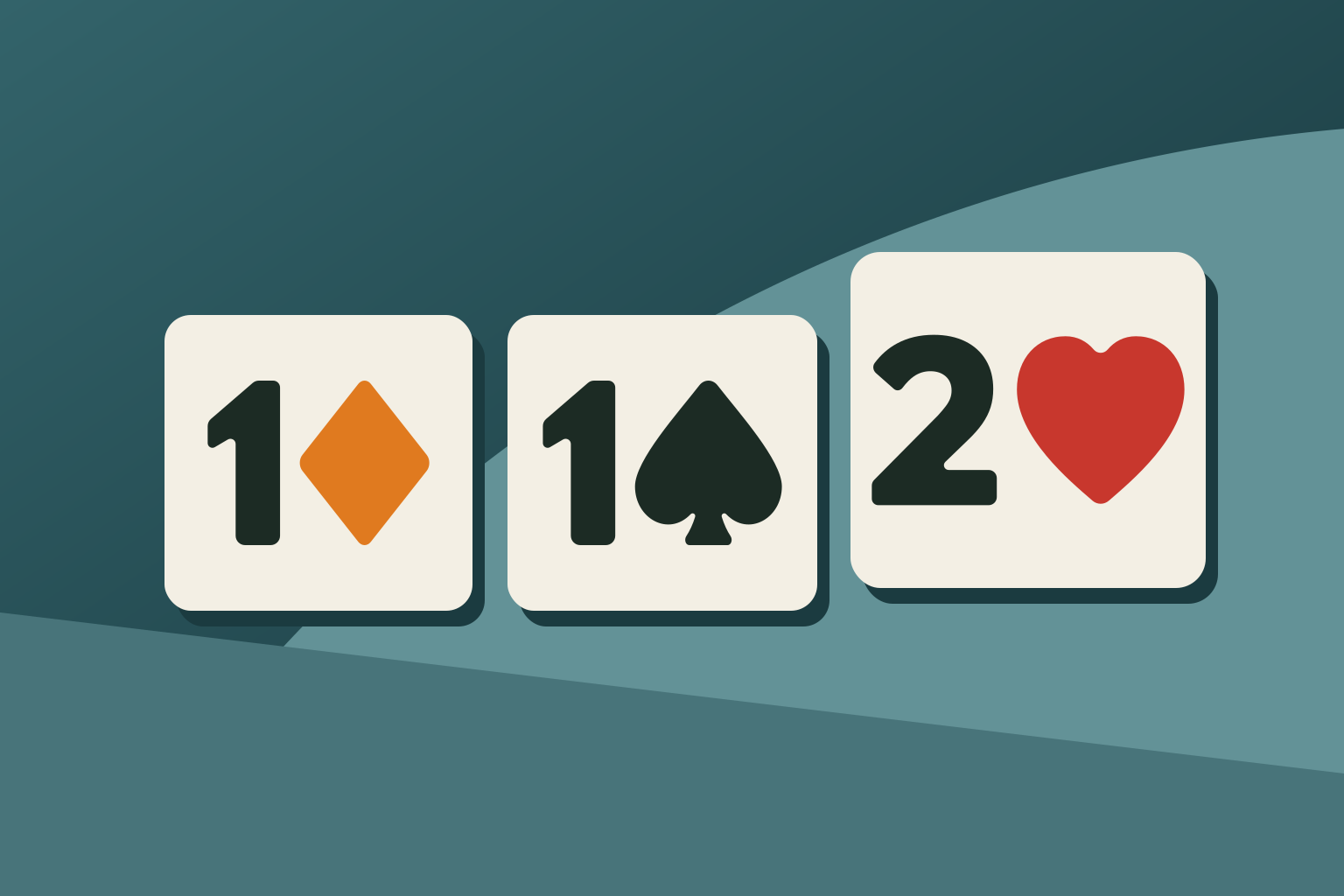
Reverse Bids in Bridge
A reverse is opener's rebid in a higher-ranking suit at the two level, showing 17 or more points and longer first suit. How to recognize one, responder's obligations and examples.
Slam bidding
The Blackwood Convention
Blackwood is the 4NT bid that asks partner how many aces they hold. The responses, the 5NT king ask, when 4NT is not Blackwood, and how it compares with Roman Key Card.
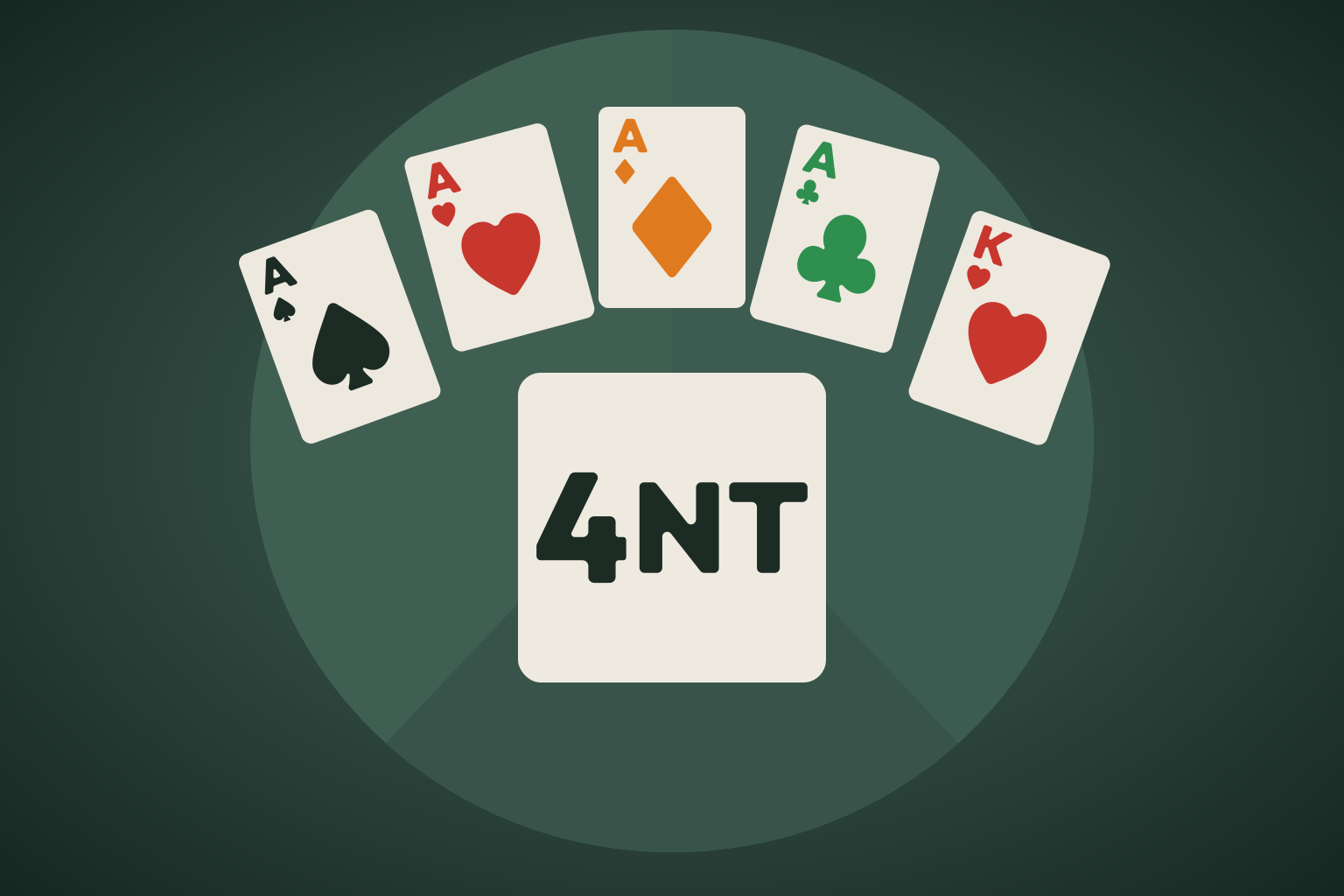
Roman Key Card Blackwood
RKCB counts the trump king as a fifth ace. The 1430 and 3014 responses, the trump queen ask, specific kings, and worked slam auctions.
The Gerber Convention
Gerber is the jump to 4♣ over a notrump bid that asks for aces. The responses, the 5♣ king ask, when Gerber applies and when 4♣ is natural.
DOPI, ROPI and DEPO
When the opponents double or overcall your Blackwood 4NT, DOPI, ROPI and DEPO tell partner how many aces you hold without losing a level. The rules, when each applies, and examples.
Slam Bidding in Bridge
How to recognize a slam in bridge: the points, fit, shape and controls that matter, and which slam tool to use when, from cue bids and splinters to RKCB.
Exclusion Blackwood
Exclusion Blackwood is a jump to five in your void suit that asks for key cards outside it. The 1430 step answers for every case, worked slams and pitfalls.
Doubles and overcalls
The Negative Double
The negative double is responder's takeout double of an overcall, showing the unbid suits. Requirements by level, what it promises, opener's rebids and example auctions.
The Takeout Double
A takeout double asks partner to bid a suit after an opponent opens. Shape and strength requirements, how to respond with weak, invitational and strong hands, and example auctions.
The Responsive Double
A responsive double is a double by the partner of a takeout doubler or overcaller after the opponents raise. What it shows, the level it applies to, and example auctions.
The Michaels Cue Bid
A Michaels cue bid is a direct overcall in the opponents' suit showing a two-suited hand: both majors over a minor, the other major and a minor over a major. Responses and examples.
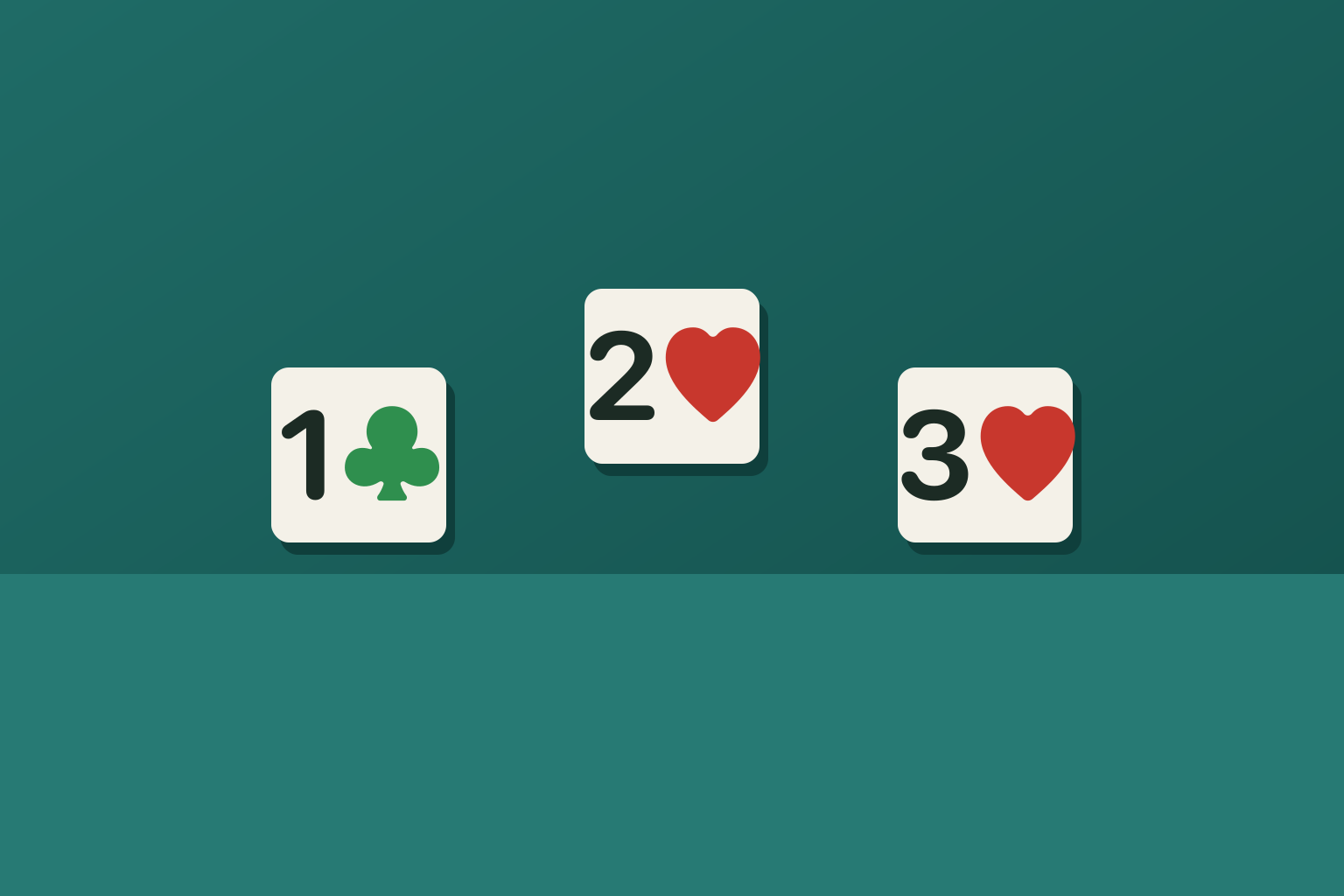
Cue Bids in Bridge
What a cue bid means in bridge: bidding the opponents' suit to show a strong raise or ask for a stopper, and the control cue bid that shows an ace or king on the way to slam, with example auctions.
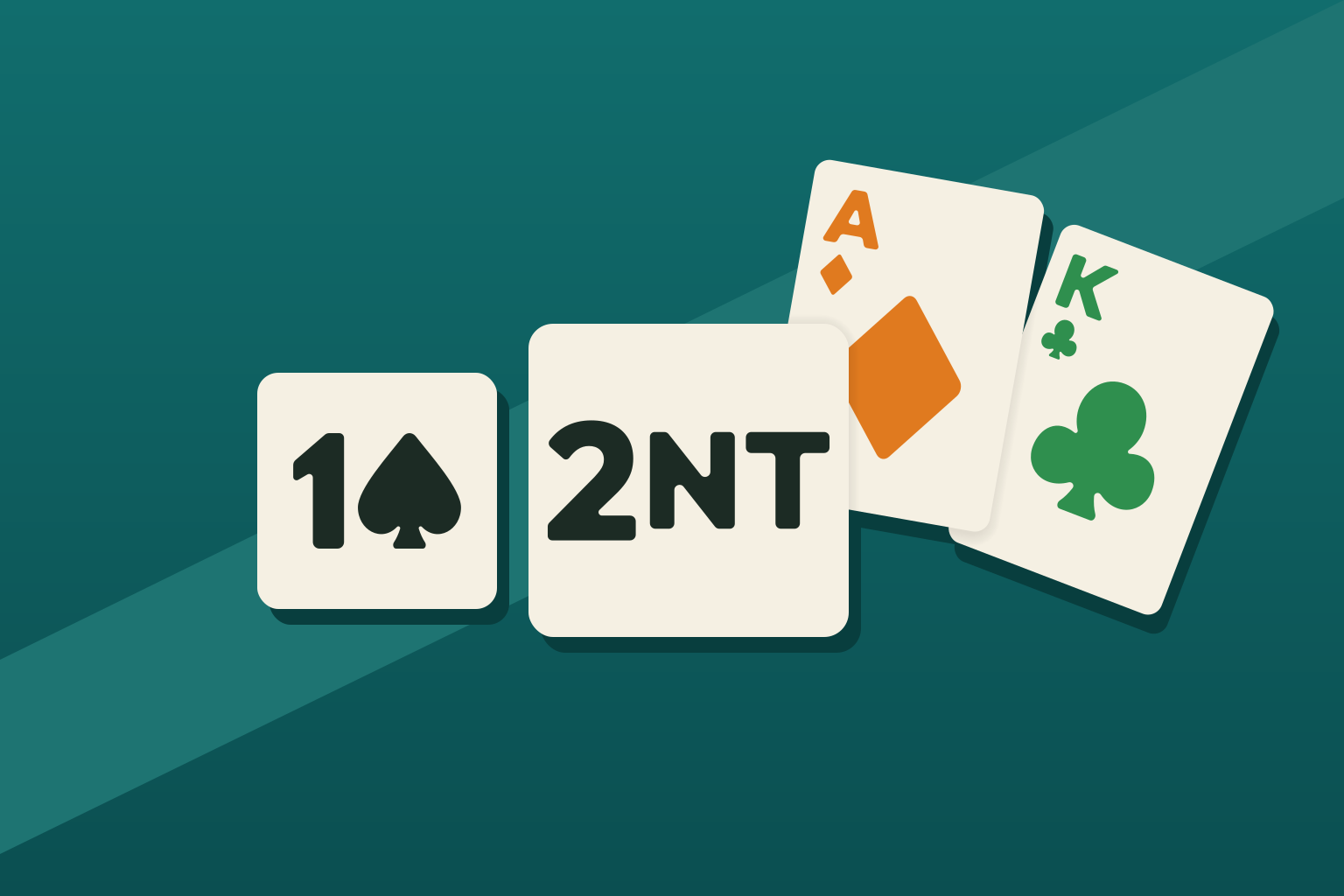
The Unusual 2NT
The unusual 2NT is a jump overcall of 2NT showing the two lowest unbid suits, usually both minors over a major. Requirements, responses, unusual over unusual and examples.
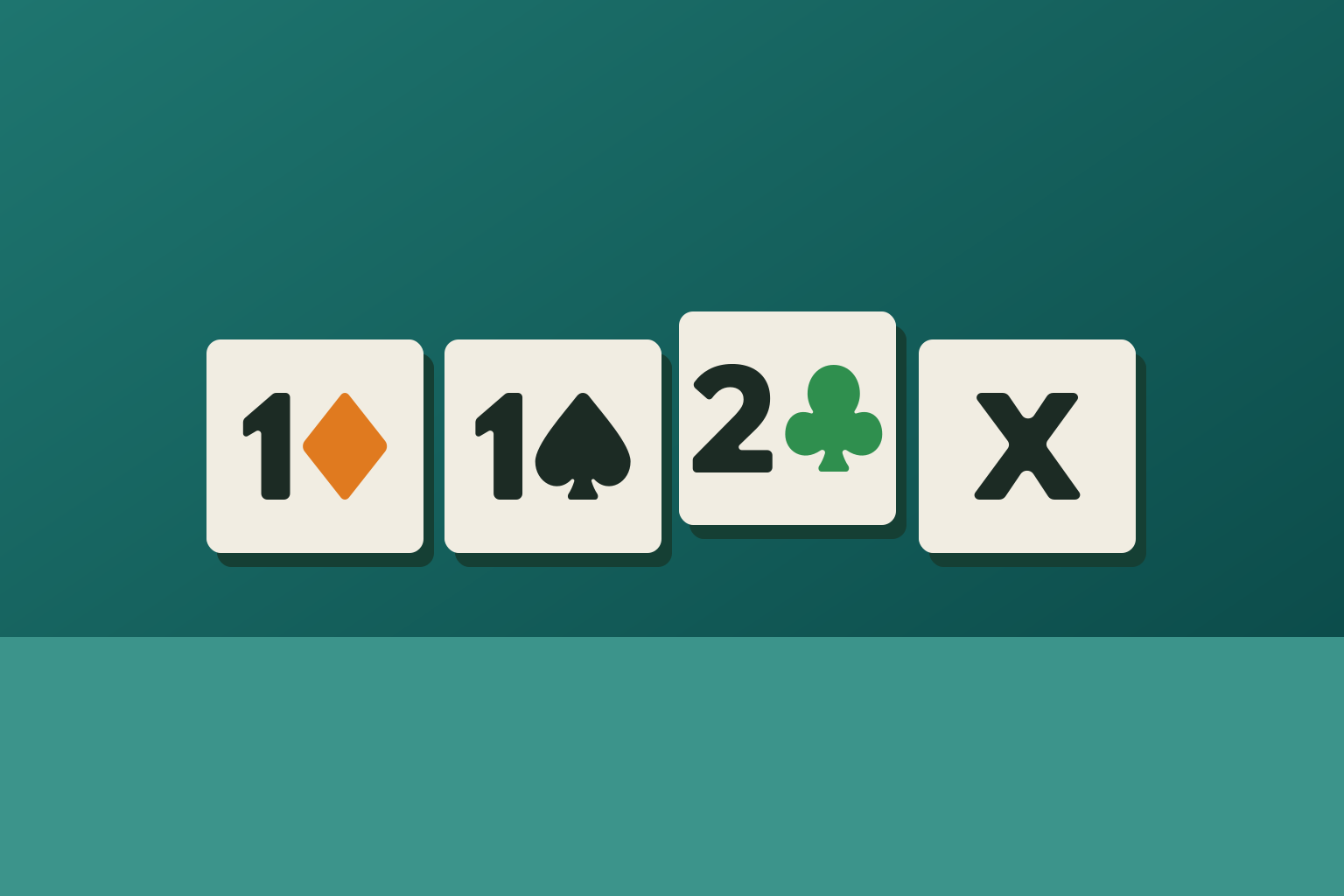
Support Doubles
Support doubles in bridge: opener's double shows exactly three cards in partner's major, a raise shows four. When they apply, responses and examples.
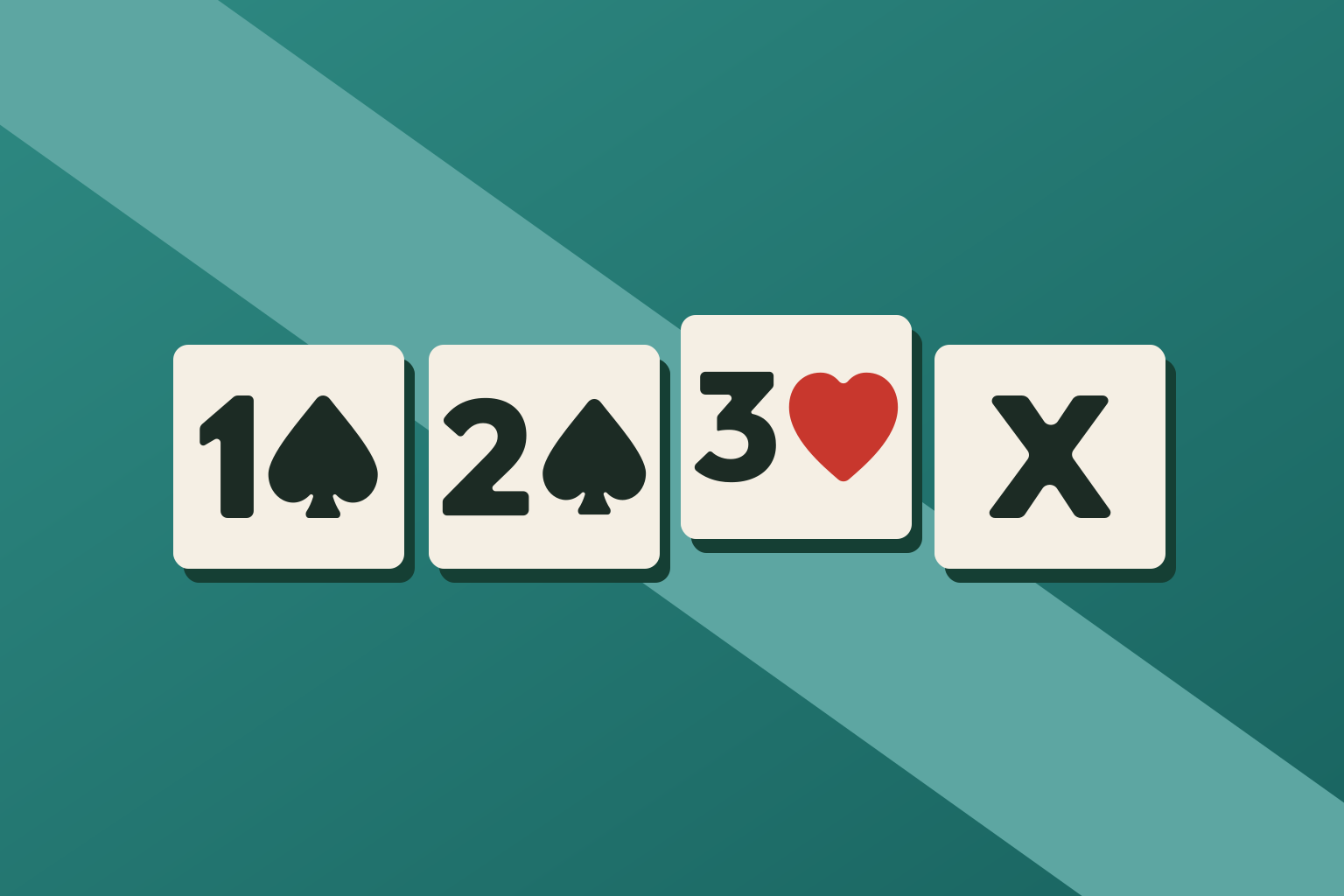
The Maximal Double
The maximal double turns a double into a game try when the opponents compete in the suit just below your major. When it applies, answers and examples.
Overcalls in Bridge
How to overcall in bridge: one and two-level overcalls, suit quality, the 1NT overcall, weak jump overcalls and advancing partner's overcall.
Two-level openings
Weak Two Bids
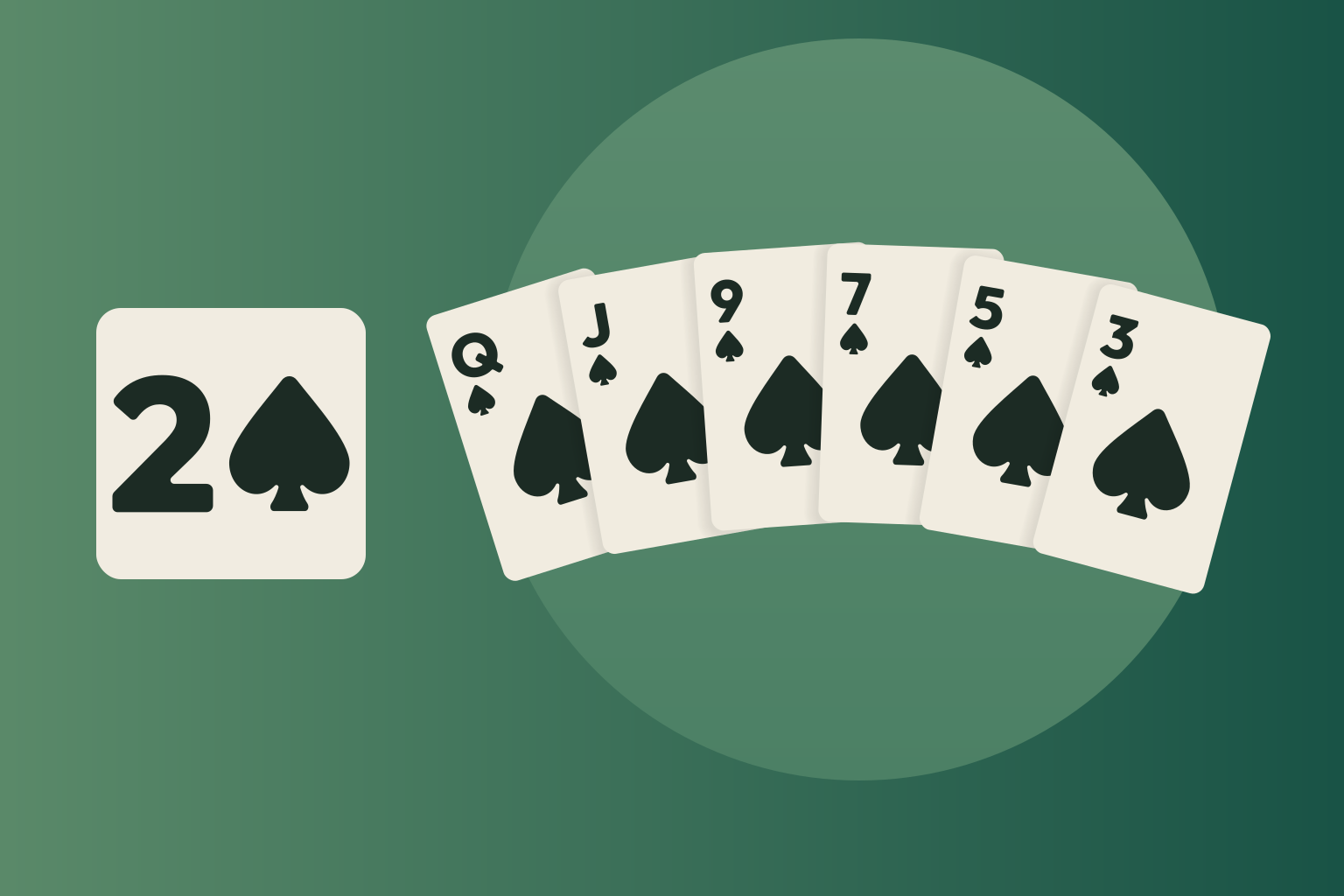
A weak two opening shows a six-card suit and 5 to 10 points. Suit quality, vulnerability and seat, responder's raises, the 2NT asking bid and example auctions.
The Ogust Convention
Ogust is the 2NT response to a weak two bid asking about suit quality and strength. The four step responses, how to use the answers, and the alternative feature ask.
The Flannery Convention
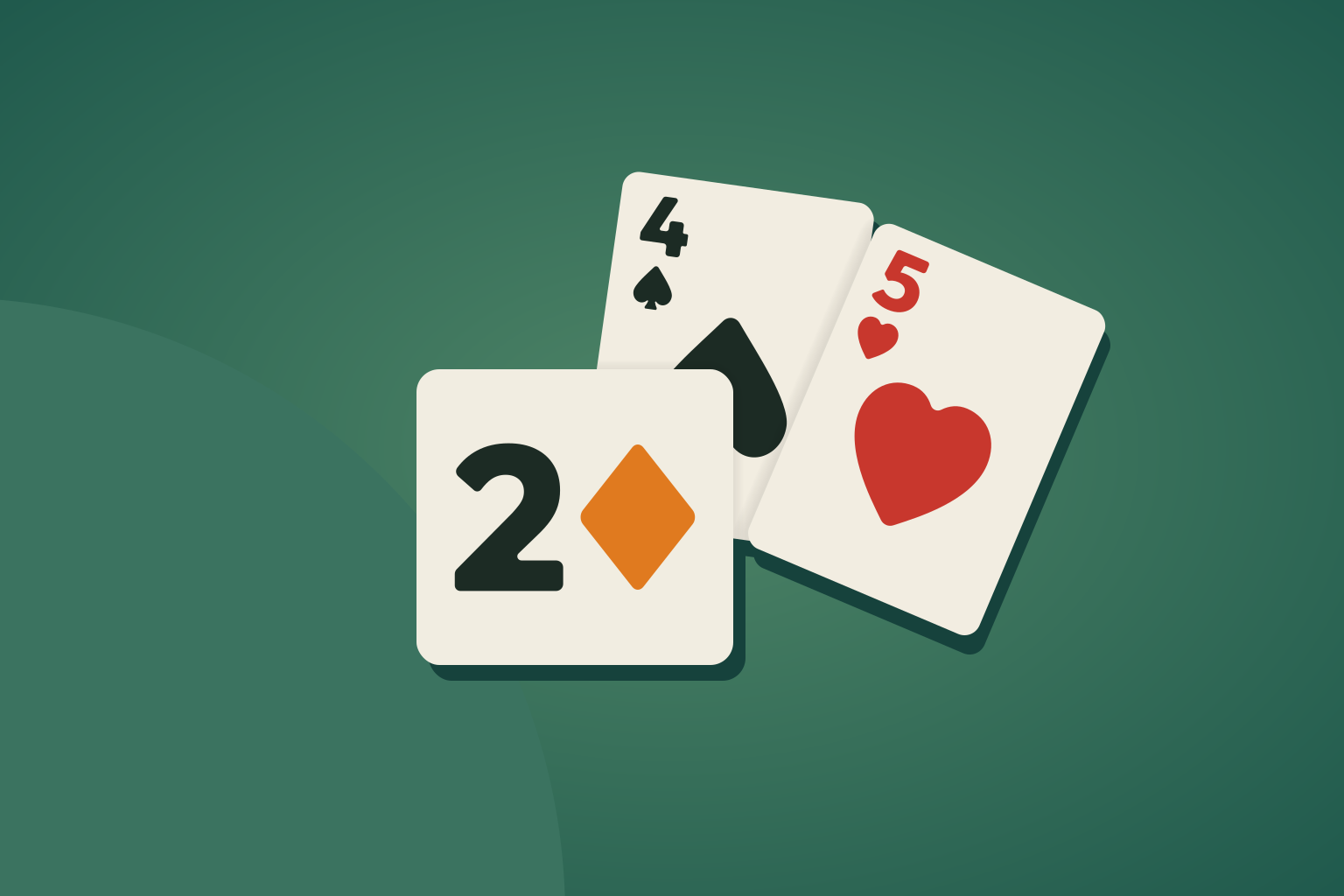
Flannery is an opening of 2♦ showing exactly four ♠ and five ♥ with 11 to 15 points. Responder's options, the 2NT ask, and why partnerships play it.
The Strong 2 Club Opening
The strong 2♣ opening shows 22+ balanced or a hand close to game. The 2♦ waiting response, positives, opener's rebids and the double negative.
Defending against 1NT
The Cappelletti Convention
Cappelletti (Hamilton) is a defense to 1NT: 2♣ shows a one-suiter, 2♦ both majors, 2 of a major that major and a minor, 2NT both minors. Responses and examples.
The DONT Convention
DONT is Marty Bergen's defense to 1NT: a double shows a one-suiter, 2♣ ♣ and a higher suit, 2♦ ♦ and a major, 2♥ both majors, 2♠ ♠. Responses and examples.
The Landy Convention
Landy is the 2♣ overcall of 1NT showing both majors. Requirements, advancer's responses, multi-Landy, and how it compares with Cappelletti and DONT.
The Lebensohl Convention
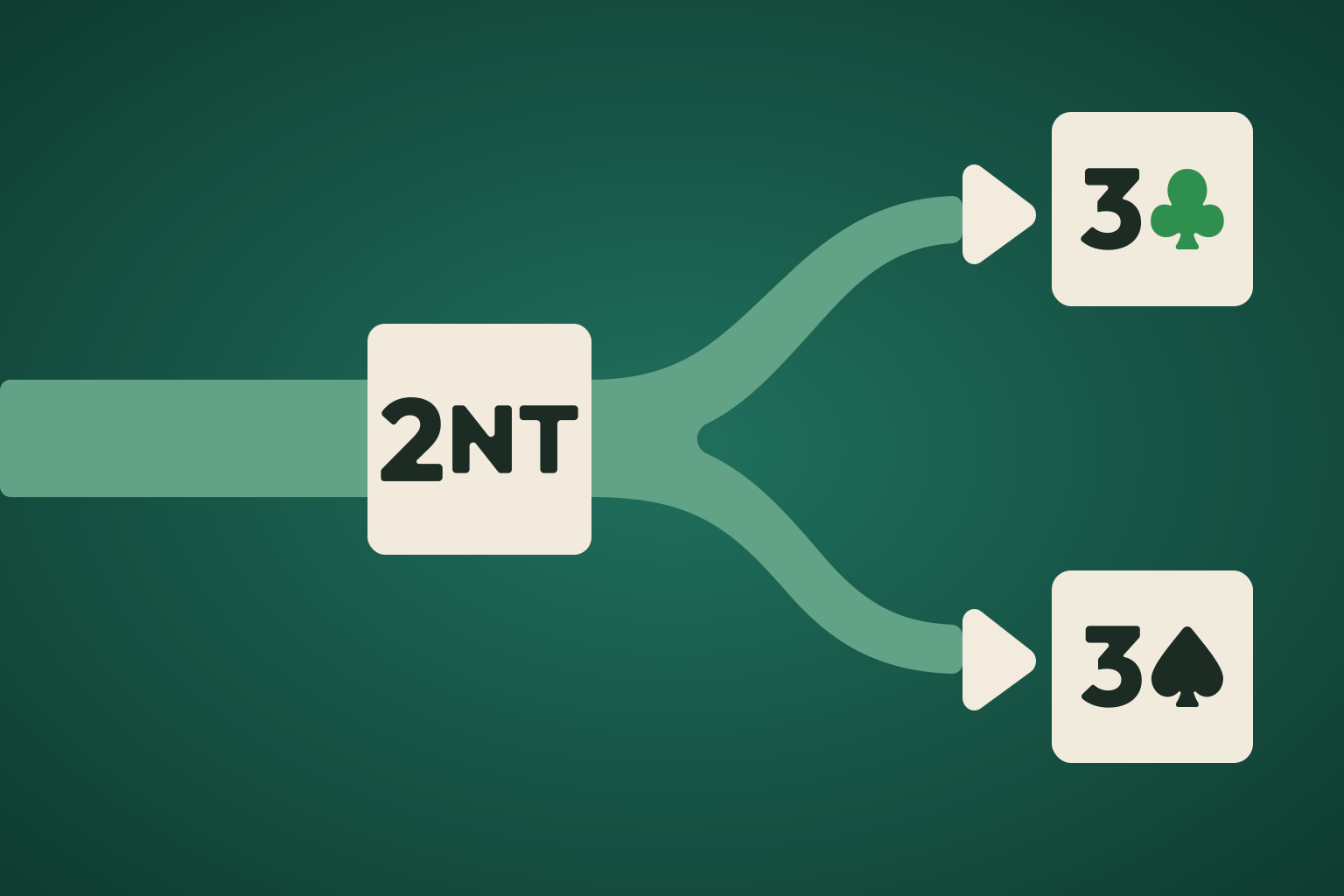
Lebensohl uses a 2NT relay to 3♣ after the opponents overcall partner's 1NT, separating weak from invitational and game-forcing hands. The structure, slow and fast denial, and over weak twos.
The Meckwell Convention
Meckwell defense to 1NT: double for a long minor or both majors, 2♣ or 2♦ for that minor and a major, natural 2♥ and 2♠.