Conventions
The Cappelletti Convention
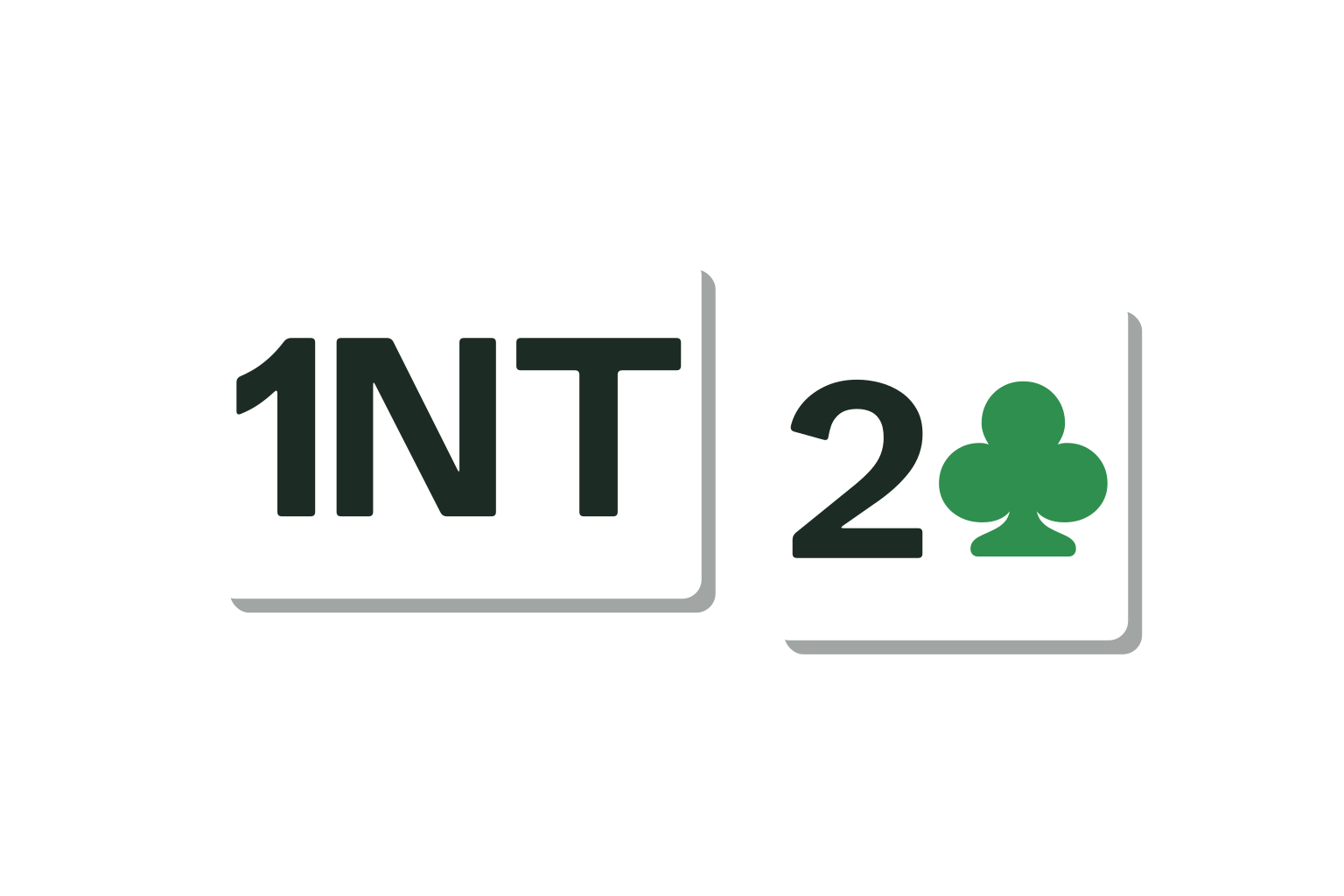
The Cappelletti convention is a defense against an opponent's 1NT opening. It gives you artificial calls that show one long suit or two suits at once, and keeps the double for strong hands. That lets you enter the auction with shapely hands that would otherwise have to pass. In parts of the United States it is called Hamilton, and in Britain Pottage.
How the Cappelletti convention works
Over the opponents' 1NT, the meanings are the same in the direct seat and in fourth seat after two passes.
| Call | Meaning | Typical shape |
|---|---|---|
| X | Penalty: 15 or more, or a long running suit | Any |
| 2♣ | A one-suited hand, suit not yet known | 6+ cards in one suit |
| 2♦ | Both majors | At least 5-4 |
| 2♥ | Five hearts and a four-card or longer minor | 5-4 or better |
| 2♠ | Five spades and a four-card or longer minor | 5-4 or better |
| 2NT | Both minors | At least 5-5 |
Some partnerships want at least 5-5 for 2♥ and 2♠, and older books asked for 5-5 in the majors for 2♦ as well. The cost of the structure is a round of delay on one-suited hands. To show a heart one-suiter you bid 2♣, partner bids 2♦, and only then do you bid 2♥. That gives the opponents a chance to double 2♣ or bid again, so the one-suiter should be a good six-card suit.
Advancer's responses
- Over 2♣, advancer normally relays with 2♦ and lets the overcaller name the suit. Advancer with a long, strong suit of their own can bid it instead, natural and to play.
- Over 2♦, advancer picks a major. Holding equal length, bid 2♥, the cheaper one. The overcaller with five spades and four hearts can then correct to 2♠.
- Over 2♥ or 2♠, advancer passes with tolerance for the major. With a misfit and no idea of the minor, 2NT asks, and the overcaller bids 3♣ or 3♦.
- Over 2NT, advancer bids the better minor. With a strong fit and a good hand, a jump to four of a minor invites game.
Cappelletti example hands
East opens a 15 to 17 point 1NT. South holds ♠KJ985 ♥AQ74 ♦83 ♣62, 10 points and both majors. South bids 2♦. North has three hearts and a singleton spade, so bids 2♥, and everyone passes. North-South play in their seven-card heart fit instead of letting East play 1NT.
Change South's hand to ♠7 ♥KQJ984 ♦A52 ♣T63, also 10 points, and South has a one-suiter. South bids 2♣, North relays with 2♦, and South bids 2♥ to show the suit. North passes.
Judgment and variations
- The penalty double needs about 15 points or a long solid suit to lead. Doubling a strong notrump on 13 points with no source of tricks loses more often than it gains.
- Show a two-suiter only when both suits will play well opposite a fit. A 5-4 hand with the four-card suit as ♥8642 is often better passed.
- Agree with partner what to do over interference. A common agreement is that if responder doubles 2♣, advancer passes to show clubs and redoubles to ask the overcaller to bid.
- The opponents may use Lebensohl or a double against your Cappelletti bids, so expect them to compete.
Cappelletti is one of several defenses to 1NT. DONT gives up the penalty double so that every two-suited hand can bid at once, and Landy uses only 2♣ for both majors and keeps the rest natural. Against a weak 12 to 14 notrump, where the penalty double earns more, keeping it is a real advantage. Over suit openings, most partnerships show two-suiters with the Michaels cue bid.
The full Cappelletti tree
The tree below shows the full Cappelletti structure, with the penalty double, every overcall and advancer's relays.
Loading the convention from the library.
Common questions
Short answers to what readers ask most.
- What is the Cappelletti convention in bridge?
- It is a set of overcalls for when an opponent opens 1NT. The double asks partner to defend for penalties, 2♣ promises a single long suit, 2♦ the two majors, 2♥ and 2♠ the bid major plus a minor, and 2NT the two minors.
- Is Cappelletti the same as Hamilton?
- Yes. Michael Cappelletti is usually given the credit, but Fred Hamilton and others are said to have come up with the same idea, which is why it goes by more than one name.
- How do you respond to a Cappelletti 2♣?
- Bid 2♦, which asks the overcaller to show the suit. The overcaller passes with diamonds or bids the real suit.
- How many points do you need for a Cappelletti overcall?
- Most books give a range of about 9 to 14 points, and with more you start with the penalty double. Shape and vulnerability matter as much as points. Not vulnerable, a good two-suiter can be a little lighter, and vulnerable you want full values.
- Should I play Cappelletti or DONT?
- Cappelletti keeps the penalty double, which suits weak notrumps. DONT shows every two-suiter at once, which suits strong notrumps where penalties are rare.
Practice: Cappelletti
Eight quick questions on what you just read. For a longer session, bid a hundred hands or take the hundred-question quiz.