New version available
The page is being refreshed...
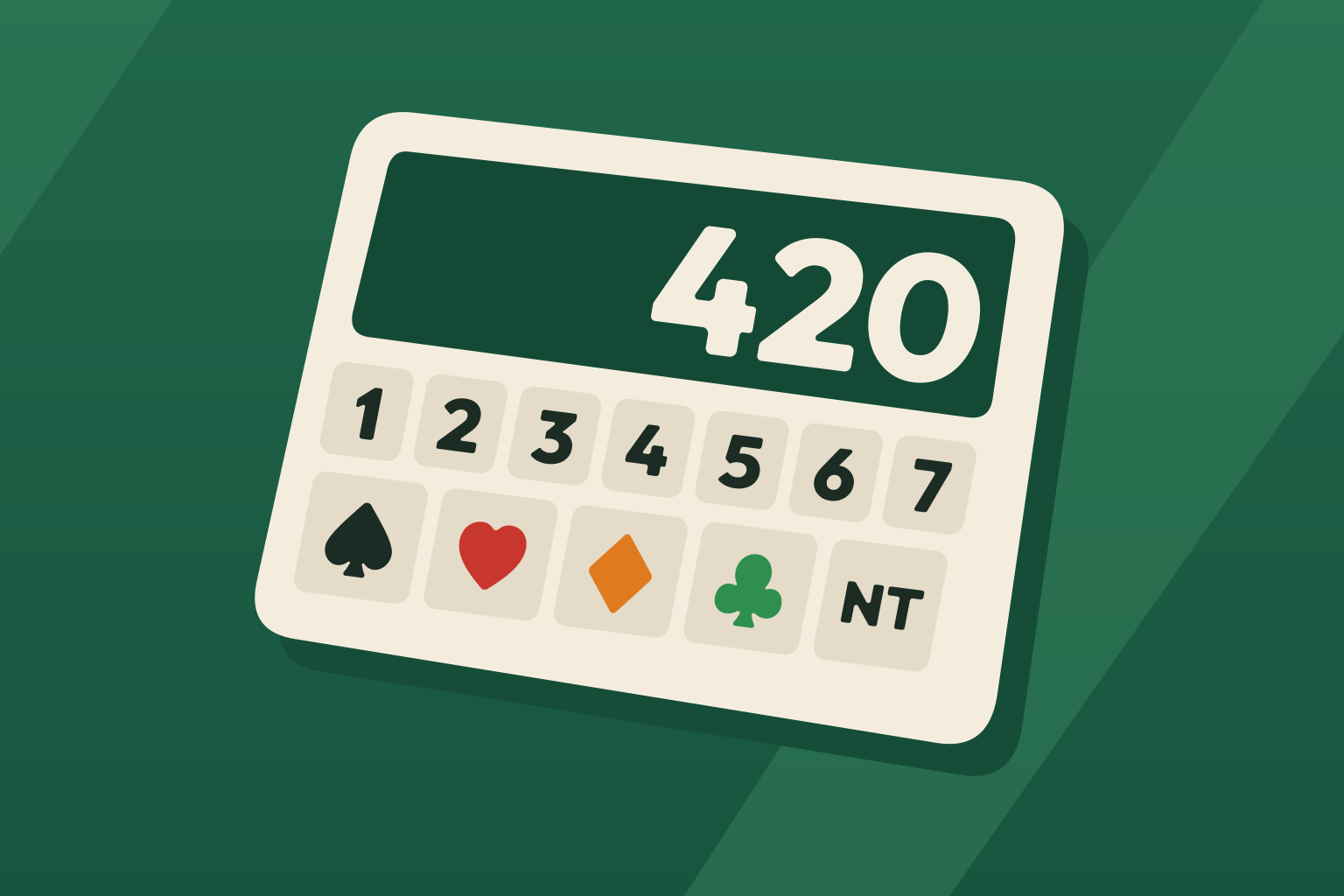
A free bridge scoring calculator: pick the level, strain, doubling, vulnerability and tricks taken and read the duplicate score, with the arithmetic behind it explained.
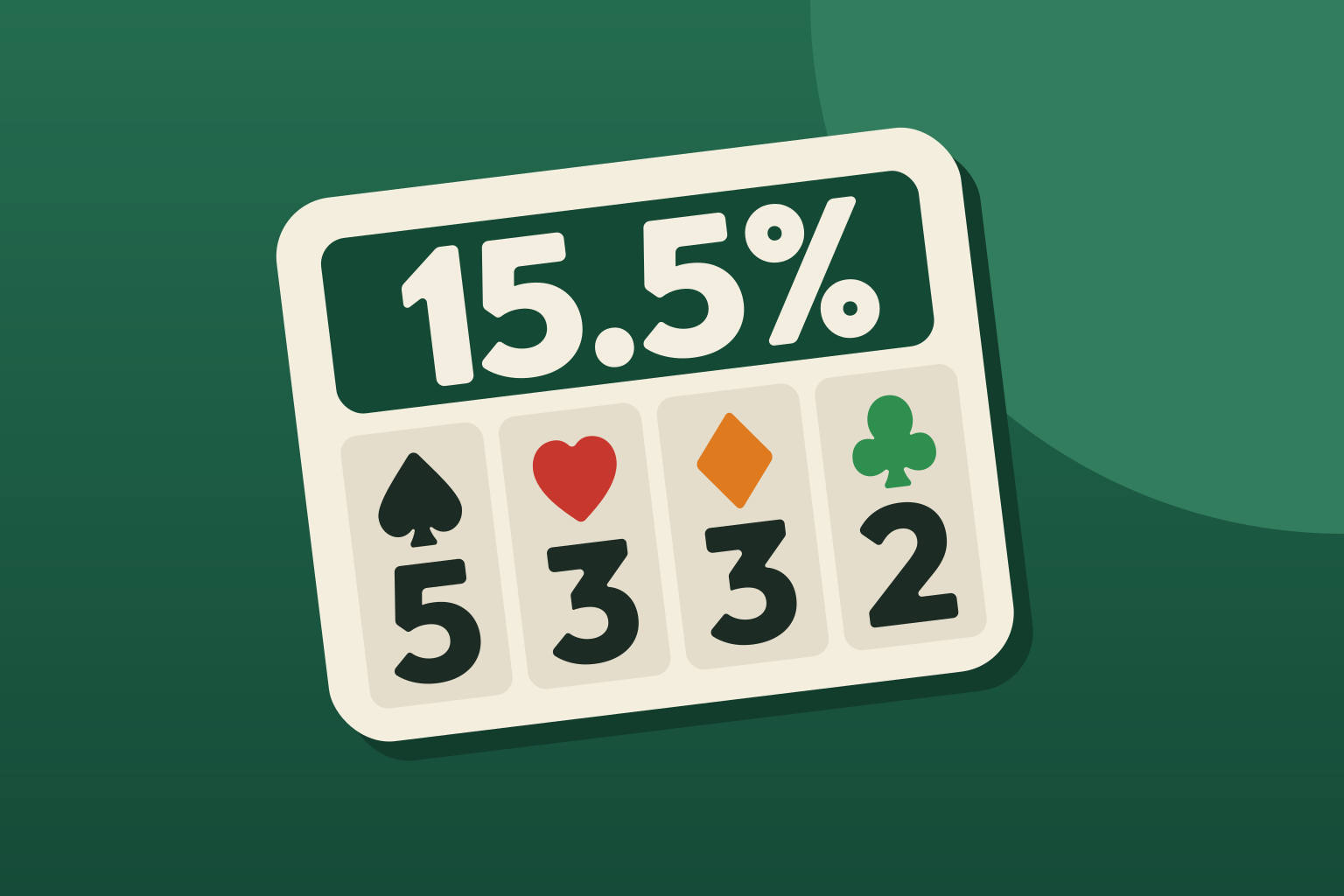
A bridge probability calculator: pick a shape and a point range and see how often a hand like it is dealt, computed over all 635 billion bridge hands.
The a priori odds of every suit break in bridge, from two to eight missing cards: 3-2 at 67.8 percent, 4-1 at 28.3, and the rest, with how to read them at the table.
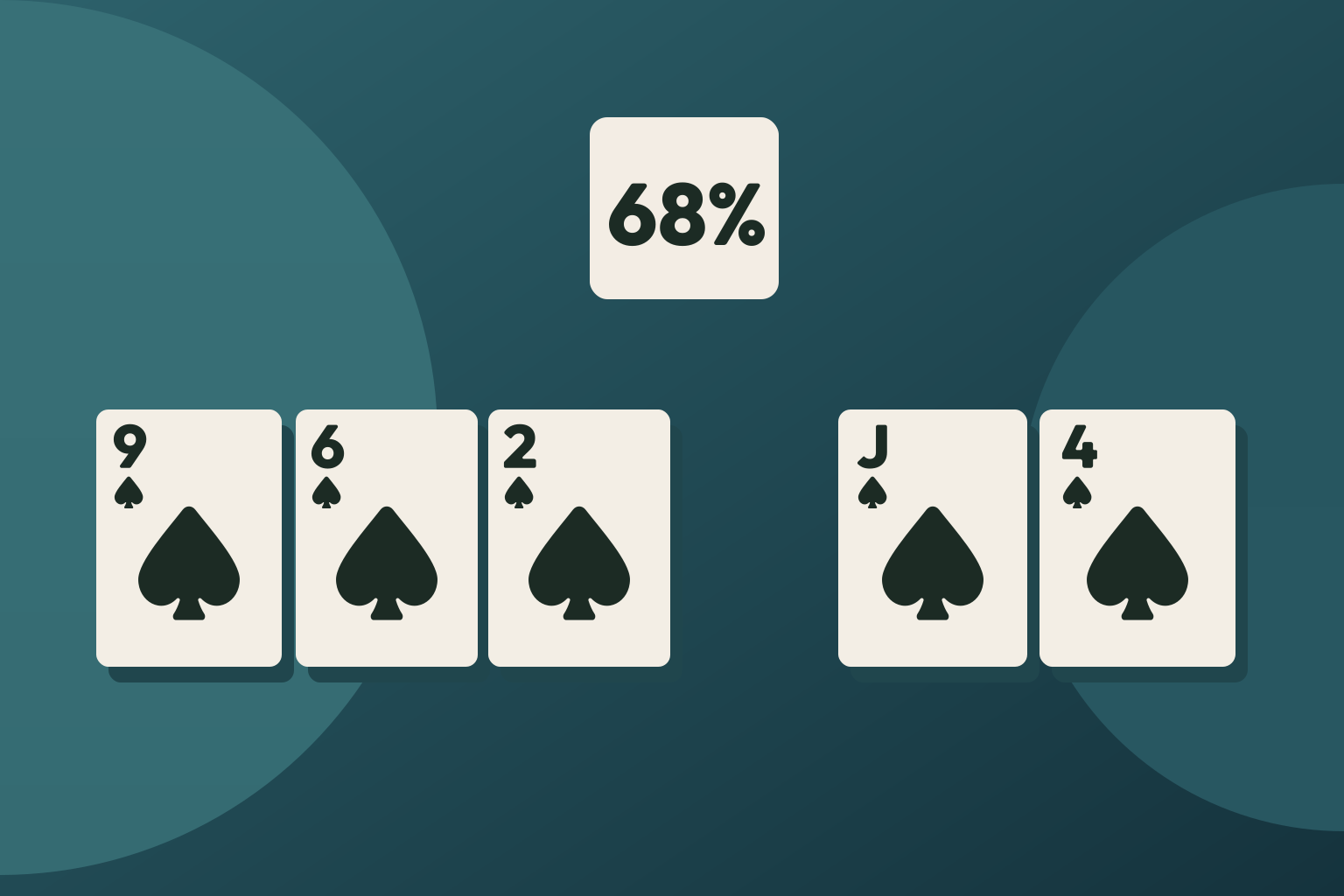
Whether to finesse for a missing queen or play for the drop, with the exact odds by number of cards held: 53 percent for the drop with nine, 33 with eight, against a 50 percent finesse.
The complete bridge scoring table with a calculator: trick values, game and slam bonuses, doubled penalties, duplicate, Chicago and rubber scoring, IMPs and matchpoints.
A free printable bridge scoring chart on one page: every contract made, doubled and redoubled, every penalty to 13 down, the bonuses and the IMP scale. PDF in A4 and Letter.
Learn how to play bridge from the first deal: the four players, the auction, the play of the cards and the scoring, explained step by step with one complete hand to follow.
The rules of contract bridge in one reference: players and the deck, dealing, the auction and its calls, the play of tricks, the dummy, irregularities such as revokes, and how a deal is scored.
Every common bridge bidding convention in one list: what each bid means, when partnerships use it, and a full guide for Stayman, transfers, Blackwood, Michaels and more.
Stayman is the 2♣ response to 1NT that asks for a four-card major. Requirements, every response, garbage Stayman, continuations and example hands, with the full bidding tree.
Puppet Stayman is the 3♣ ask over 2NT that finds a five-card major as well as a four-card one. The responses, how responder shows a major, the 1NT version, Muppet Stayman and example hands.
Jacoby transfers let responder show a five-card major after 1NT: 2♦ transfers to ♥, 2♥ to ♠. Requirements, continuations, super-accepts and examples.
The Texas transfer jumps to 4♦ or 4♥ over 1NT with a six-card major and game values. How it differs from Jacoby, slam tries with Texas, and example hands.
In 2/1 game force a two-level response to a one-level suit opening forces to game. The forcing 1NT, opener's rebids, what changes from Standard American, and example auctions.
SAYC is the ACBL's standard system: five-card majors, 15 to 17 notrump, strong 2♣, weak twos. Every opening, response and convention in the yellow card, with the full system tree.
How to count a bridge hand: high-card points, length and shortness points, quick tricks, the adjustments experts make, and how many points game and slam need.
The rule of 20 says open the bidding when your high-card points plus the lengths of your two longest suits reach 20. How it works, the rule of 22 refinement, and hands at the border.
A finesse wins a trick with a card that is not the highest outstanding by playing toward it. The simple finesse, double finesse, two-way finesse, which way to finesse, and when not to.
How to play a single suit for the maximum tricks: the common combinations, the odds behind finessing or playing for the drop, eight ever nine never, and a solver for any layout.
How to choose the opening lead against suit and notrump contracts: which suit, which card, standard lead conventions, leads to avoid, and how to read the auction before you lead.
The rule of 11 tells third hand how many cards higher than the lead sit in the other three hands. How to apply it, when it works, the rule of 10 and 12 variants, with worked deals.