 Calculators
Bridge Odds Calculator
Bridge hand odds tell you how often a particular kind of hand is dealt, before anyone looks at their cards. Those frequencies help when a partnership picks its notrump range or judges a bidding agreement, and they settle whether a hand you keep picking up is as rare as it feels. The calculator gives the odds for any shape and point range you choose.
Odds for a shape and point range
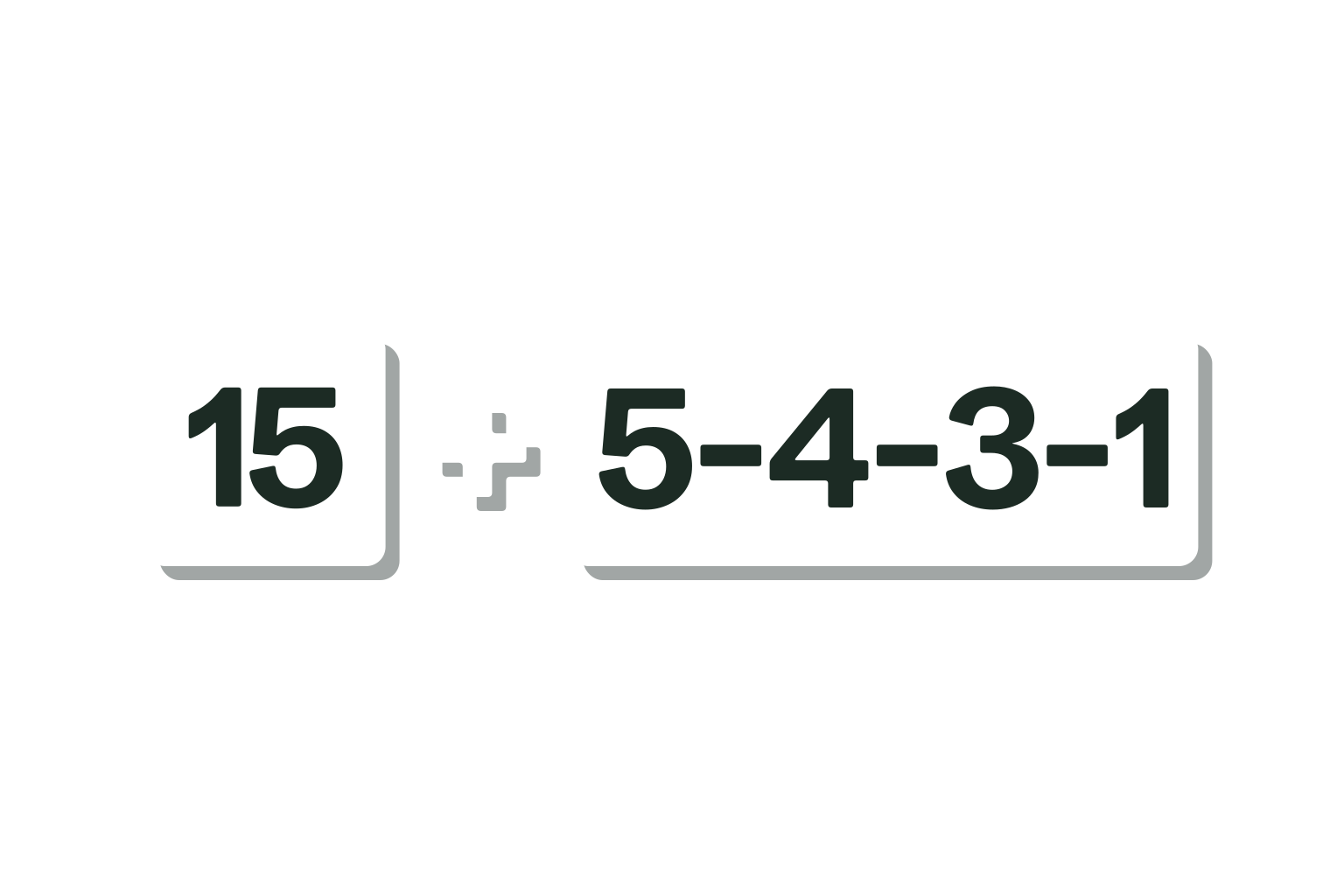
The calculator opens with the three balanced patterns picked and 15 to 17 points. Pick one or more shapes, type the lowest and highest point count, and the figure updates at once. Leave the upper box empty for no top limit.
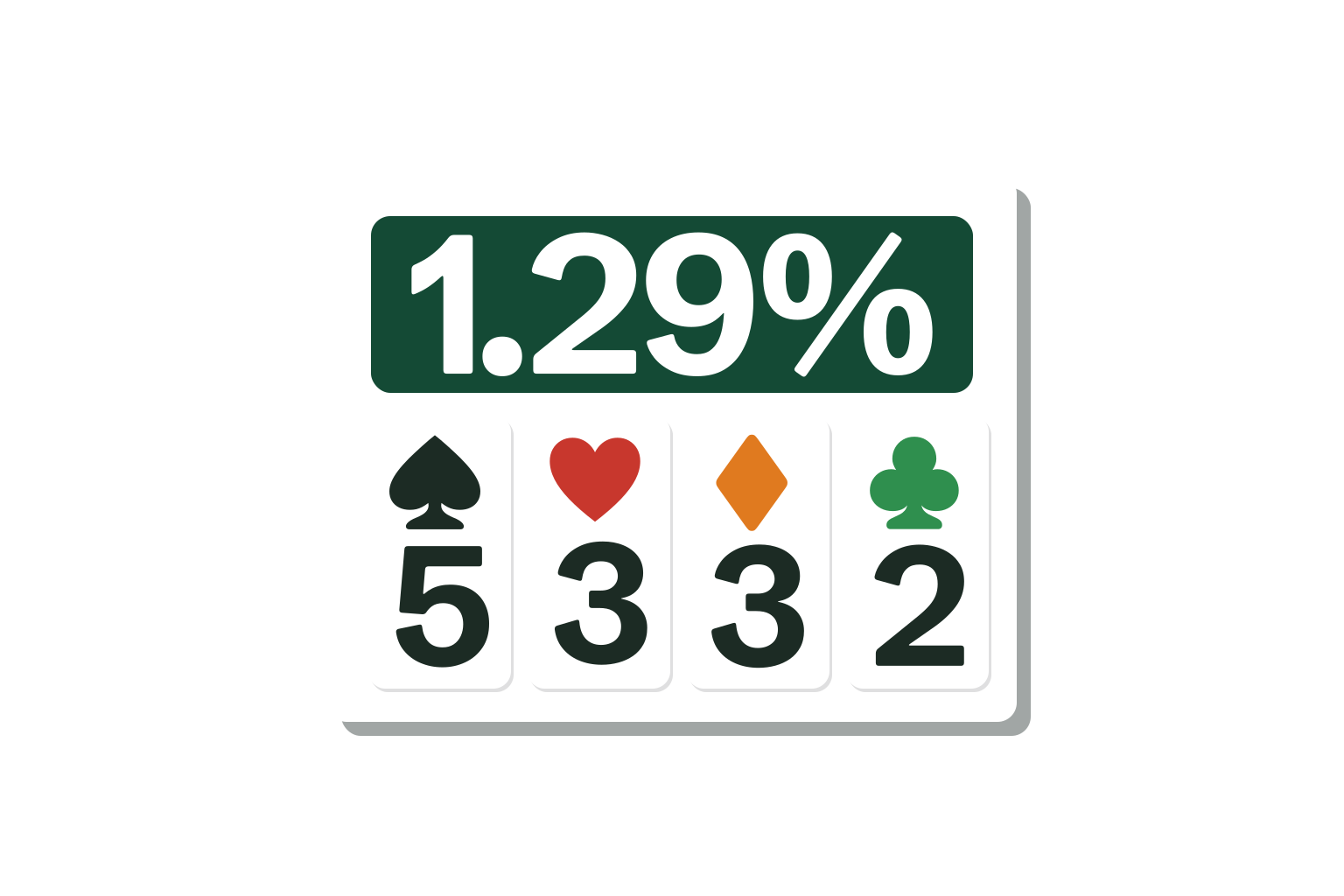
Switch to Exact suits to calculate the odds for one hand shape suit by suit, such as five spades, three hearts, three diamonds and two clubs, rather than every 5-3-3-2. Every suit has the same thirteen cards, so each suit order is equally likely: a 5-3-3-2 can be arranged in twelve ways, so any one of them comes up in about 1.3% of hands, a twelfth of the pattern's 15.5%.
How the calculator counts
The calculator counts exactly and runs no simulation. There are 635,013,559,600 different thirteen-card hands. For a given shape and range the calculator counts how many of them qualify and divides by that total.
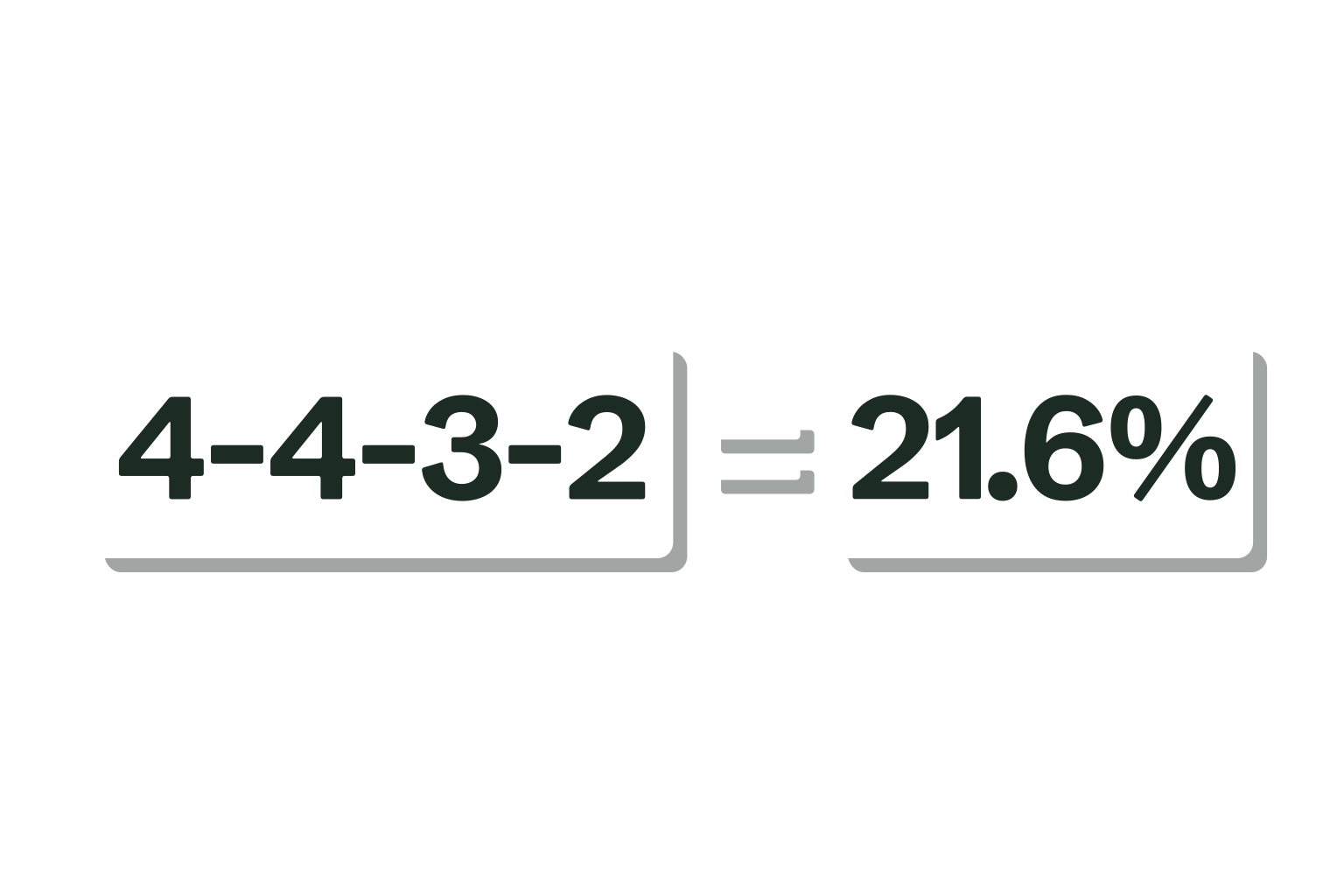
A shape means the pattern in any suit order, so 5-3-3-2 covers a five-card spade suit exactly as much as a five-card club suit. The Balanced row holds the three balanced patterns, 4-3-3-3, 4-4-3-2 and 5-3-3-2, and its Any pill picks all three at once. Together they make up 47.60 percent of all hands. Many players treat 5-4-2-2 and 6-3-2-2 as nearly balanced, and the calculator lists them in their own Semi-balanced row. When you pick several shapes, their chances are added together. Points are the usual 4-3-2-1 count, from 0 to 37. The full tables behind the two controls are on the hand patterns and high-card points pages.
Reading the result
The large figure is the chance that one named hand, yours or partner's, fits the description before the deal. The line underneath turns it into one hand in N, which is easier to picture. Pick all shapes and 15 or more points and the chance is 14.18 percent. Raise the floor to 20 and it drops to 1.45 percent, about a tenth as much. To calculate the odds for partner's hand opposite your own, use the partner's hand odds calculator.
Those frequencies are a fair test of a bidding agreement. You hold a balanced hand nearly half the time, so the methods that describe them get constant use and have to be sound. A bid kept for a 20-count comes up about once in 69 hands, so it can afford to cost a little elsewhere. For the trick-taking side of the same arithmetic, see suit break odds and hand evaluation.
The calculator evaluates one hand in isolation. Once the auction starts, the other three hands stop being random and the figure from before the deal is only a starting point.
Common questions
Short answers to what readers ask most.
- How many possible bridge hands are there?
- There are 635,013,559,600 possible bridge hands, the number of ways to choose 13 cards from a 52-card deck. Every percentage on this page is a count of hands divided by that number.
- What are the odds of being dealt a balanced hand?
- The odds are 47.60 percent. A balanced hand is 4-3-3-3, 4-4-3-2 or 5-3-3-2, and those three patterns together account for just under half of all hands.
- How often is a strong notrump opening dealt?
- About one hand in twenty. A balanced hand of 15 to 17 points has a probability of 4.87 percent. The calculator opens on exactly that setting.
- Is the bridge odds calculator a simulation?
- No. It counts every qualifying hand exactly, so the figures do not move from one visit to the next and carry no sampling error.
Practice: bridge odds
Eight quick questions on what you just read. For a longer session, take the hundred-question quiz.