Hand evaluation
Hand Evaluation in Bridge
Points are a stand-in for tricks, and bridge hand evaluation is the skill of judging how much a hand is really worth. It starts from the point count and adjusts it for the shape of the hand, the quality of its honors and what partner has shown. Good evaluation decides how high you bid, and it matters most with unbalanced hands, where the plain count can badly misjudge them.
How to count points in bridge
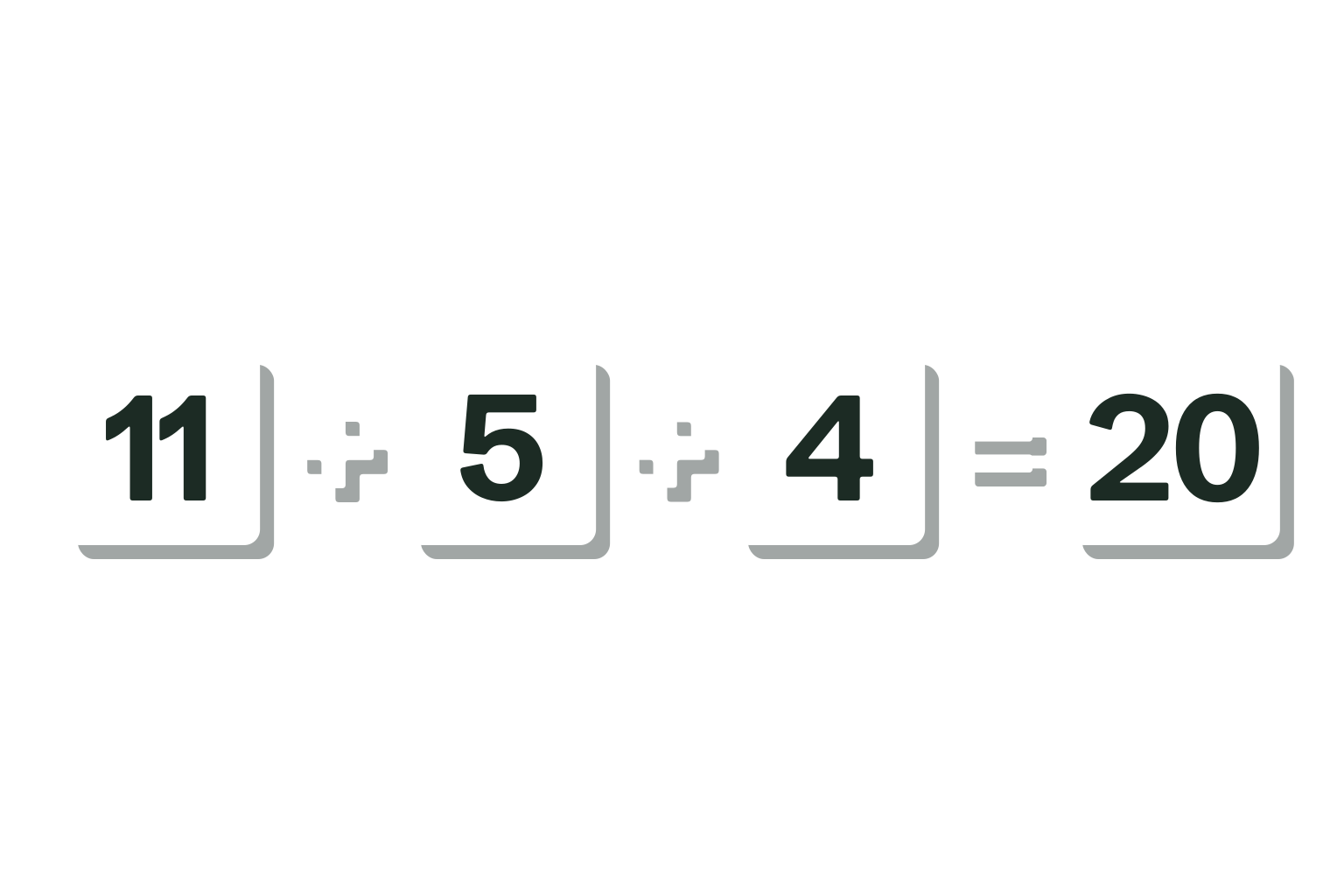
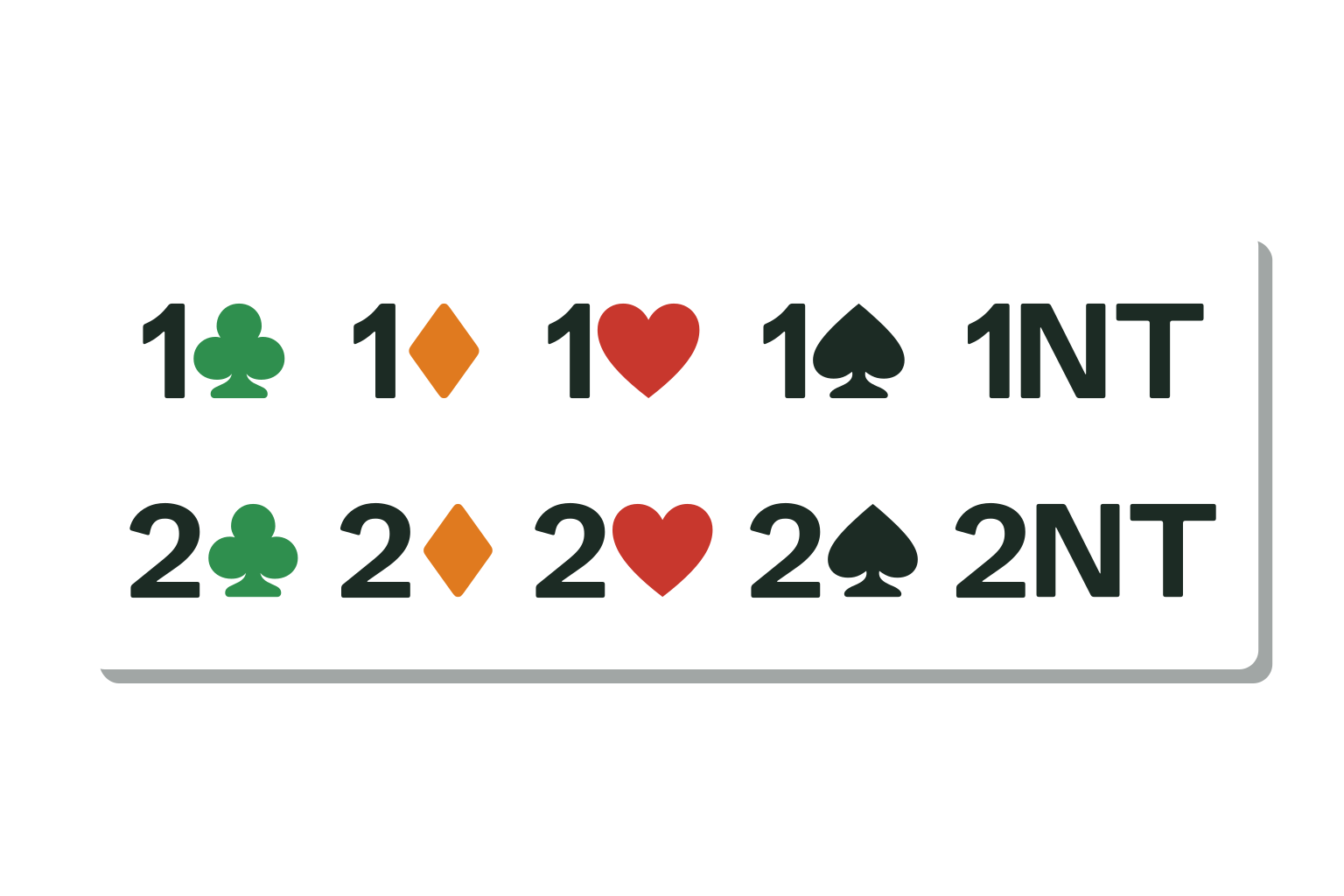
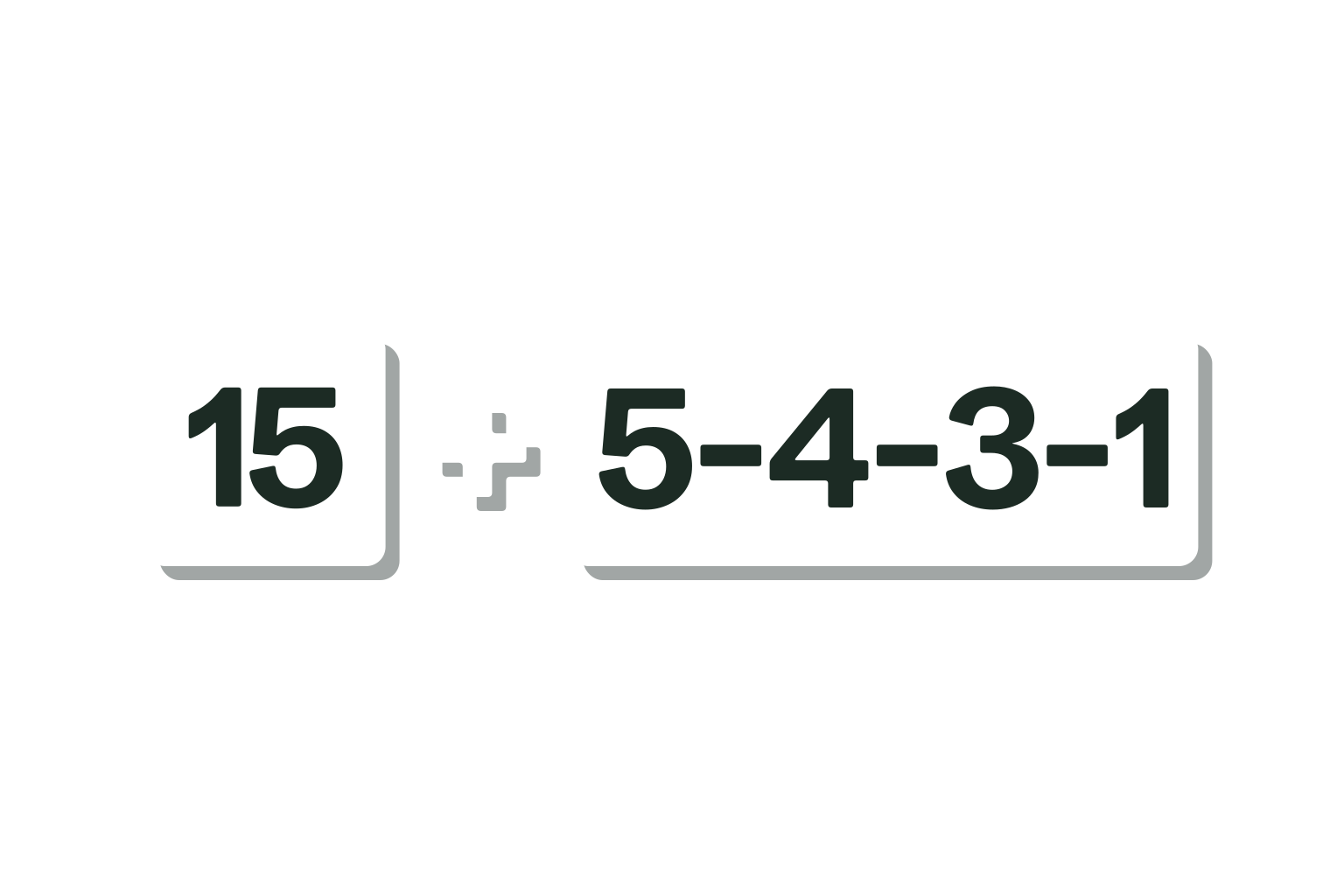
High-card points (HCP) use the Milton Work scale: ace 4, king 3, queen 2, jack 1. There are 40 HCP in the deck and the average hand holds 10. An opening bid at the one level usually needs 12 or 13. A 1NT opening shows 15 to 17 in Standard American and 2/1, and 12 to 14 in Acol.
HCP are easy to count and good enough for balanced hands headed for notrump. They are less reliable for shapely hands and suit contracts, for three reasons:
- Aces are undervalued. An ace takes a trick almost every time, in any contract. Computer studies put it at about 4.5 points in suit contracts, and a little less in notrump.
- Queens and jacks are overvalued. Points from "quacks" often do not take tricks unless they sit with higher honors in the same suit.
- Shape is ignored. A 5-5 hand with 10 HCP can take more tricks than a flat 13-count.
Tens and nines are worth something too. They are not counted, but they make a holding like KJ9 better than KJ2, because the nine gives declarer an extra finesse.
Length points and shortness points
To account for shape, players add distribution points. There are two methods, and they apply at different moments.
Length points, before a fit
Add 1 point for every card beyond four in a suit. A five-card suit adds 1, a six-card suit adds 2. Use length points when you open the bidding or describe your own hand, because long suits produce extra tricks once the outstanding cards are gone. The rule of 20 is another way of building length into the decision to open.
Shortness points, once a fit is found
Shortness only helps if you can ruff, so count it only when you have support for partner's suit. As dummy, with trump support:
| Shortness | With four or more trumps | With three trumps |
|---|---|---|
| Void | 5 | 3 |
| Singleton | 3 | 2 |
| Doubleton | 1 | 1 |
Each hand gets one method. Opener starts with length points, and responder raising partner switches to shortness points. A singleton king or queen can be counted as shortness or as high cards, but only once.
Quick tricks and controls
Two more counts measure the high cards that take tricks fast. They matter most in opening decisions, defense against high contracts, and slam bidding.
| Holding in one suit | Quick tricks |
|---|---|
| AK | 2 |
| AQ | 1.5 |
| A | 1 |
| KQ | 1 |
| Kx | 0.5 |
Most opening hands hold at least two quick tricks. Controls count an ace as 2 and a king as 1, giving 12 in the deck. They decide slams more than points do. Two hands with 33 points can still be missing the ace and king of the same suit. Some partnerships use control-showing responses to a strong 2♣ opening for exactly that reason.
Adjusting the count in bridge hand evaluation
After the raw count, experienced players move the hand up or down a point or two:
- Honors in long suits are worth more. KQJ in a five-card suit will take tricks. The same points spread across short suits may not.
- Honors together are worth more. KQ or QJ in one suit support each other. A lone queen or jack is often wasted.
- Unsupported honors are worth less. A singleton king, Qx or Jx should be downgraded, unless partner has bid the suit.
- A 4-3-3-3 hand is worth less. Deduct a point. It has no ruffing value and no long suit to set up.
- Aces and tens are worth more. Add a little for three or four aces, or for several tens and nines.
| Hand | HCP | Judgment |
|---|---|---|
| ♠KQJ108 ♥A42 ♦73 ♣962 | 10 | Upgrade. Solid honors in a five-card suit, plus an ace and a ten. Some players would open it, mostly in third seat. |
| ♠A84 ♥A7 ♦A9632 ♣854 | 12 | Upgrade. Three aces and a five-card suit make it a sound opening. |
| ♠QJ ♥QJ4 ♦KQ3 ♣J8642 | 12 | Downgrade. Mostly queens and jacks, including a doubleton QJ, so the opening is doubtful. |
| ♠K ♥KJ74 ♦QJ53 ♣Q842 | 12 | Downgrade. A singleton king and few quick tricks. Open only if your methods require it. |
Bridge points needed for game and slam
The targets below are for the combined count of both hands, high cards plus distribution once a fit is known. At these totals the contract is roughly a good bet, though it can still fail. The game and slam odds guide explains why vulnerable games are worth bidding a little lighter at IMPs.
| Contract | Tricks | Combined points |
|---|---|---|
| 3NT | 9 | 25-26 |
| 4♥ or 4♠ | 10 | 25-26 with an eight-card fit |
| 5♣ or 5♦ | 11 | 28-29 |
| Small slam | 12 | 33 |
| Grand slam | 13 | 37 |
Minor suit games need more because they need eleven tricks. Holding 25 to 27 points and a minor suit fit, you are usually better off in 3NT.
How evaluation changes after a fit
The auction keeps giving you information, and your hand's value moves with it. Suppose you hold ♠K842 ♥5 ♦QJ73 ♣A964, 10 HCP. Partner opens 1♠. With four trumps and a singleton heart, your hand is worth 13 dummy points, enough for game opposite an opening bid. If partner had opened 1♥, the singleton would be a liability and the hand would stay at 10.
- Honors in partner's suits go up. A queen in partner's long suit fills a gap, while a queen in a side suit may not.
- Honors facing partner's shortness go down. If partner splinters in diamonds, your ♦QJ73 is worth almost nothing.
- Misfits go down sharply. When neither partner can support the other, deduct points and stop low.
- Fits go up. A nine- or ten-card fit makes the hands play for more tricks than the points suggest.
For a summary of the point ranges each opening and response shows, see the bridge bidding cheat sheet.
Common questions
Short answers to what readers ask most.
- What is hand evaluation in bridge?
- Hand evaluation is judging how many tricks your hand is likely to take, so you know how high to bid. Most players start with high-card points and then adjust for long suits, shortness, a fit with partner and the quality of their honors.
- How many points do you need to open in bridge?
- Usually 12 or 13 high-card points for a one-level opening, or fewer with a shapely hand that meets the rule of 20. A 1NT opening needs 15 to 17 in Standard American and 2/1, or 12 to 14 in Acol.
- How many points are needed for game in bridge?
- About 25 to 26 combined points for 3NT or four of a major with a fit, and about 28 to 29 for five of a minor. A small slam needs about 33 and a grand slam 37.
- What does HCP mean in bridge?
- HCP stands for high-card points, counted as 4 for an ace, 3 for a king, 2 for a queen and 1 for a jack. There are 40 in the deck and an average hand has 10.
- Should I count length points and shortness points?
- Count length points when you describe your own hand, as opener. Switch to shortness points when you support partner's suit. Do not add both for the same hand.
- Do I count distribution points for notrump?
- Not shortness points. A long running suit adds tricks in notrump too, so some players add a point for a good five-card suit, but singletons and voids are a weakness in notrump.
Practice: hand evaluation
Eight quick questions on what you just read. For a longer session, take the hundred-question quiz.