 Defense
The Rule of 11
The rule of 11 in bridge is a quick count used mostly by the partner of the opening leader. When the lead is fourth best, the fourth card down from the top of the leader's suit, the rule tells you how many higher cards declarer holds in that suit. That helps you decide what to play at the first trick and how to defend later.
How the rule of 11 works
The count leaves out the leader and covers the other three hands. Two of those are in view for third hand, so taking the higher cards in dummy and in your own hand away from the total gives declarer's number.
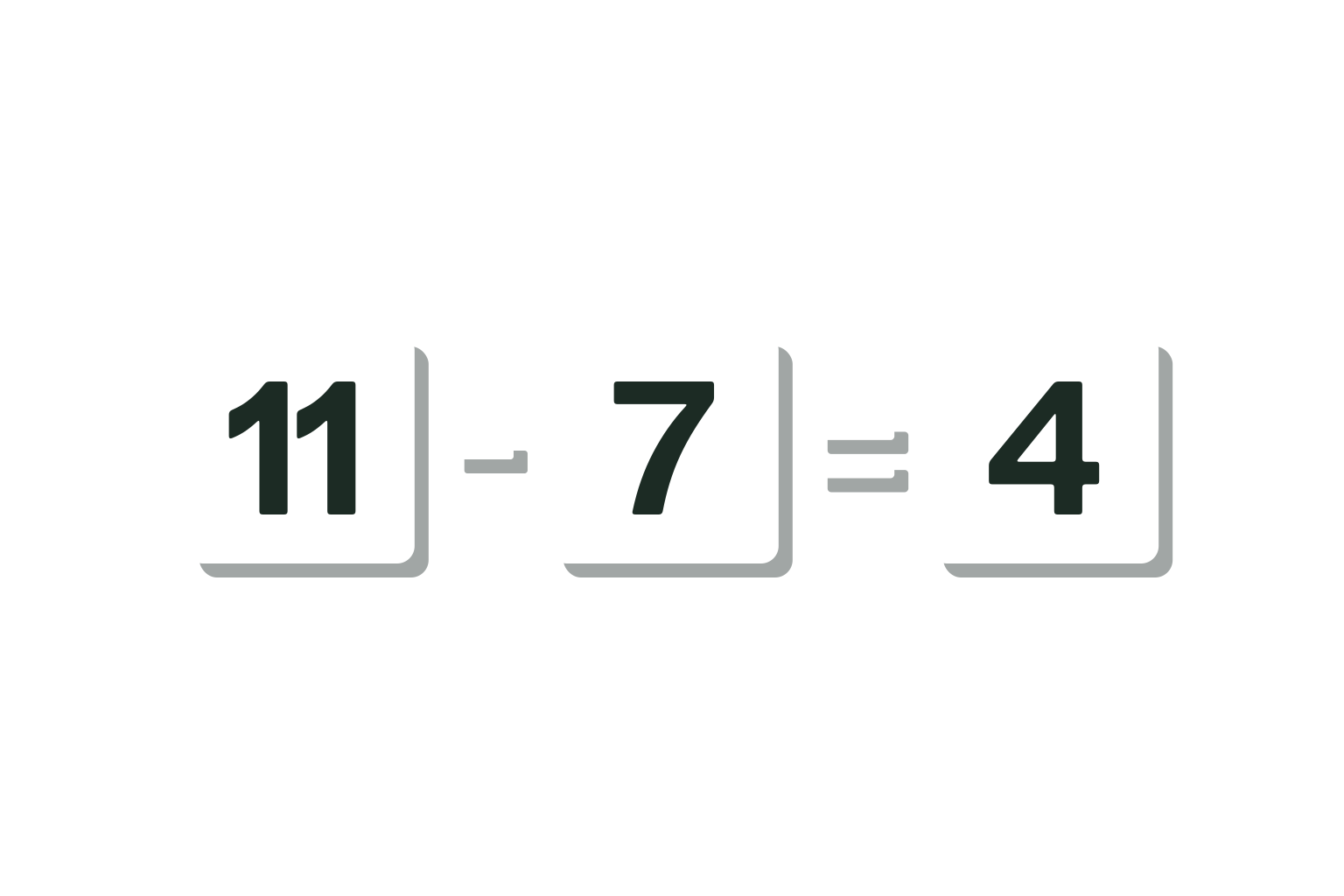
The 11 comes from simple counting. Rank the jack as 11, the queen as 12, the king as 13 and the ace as 14. If the card led is a 7, there are seven cards higher than it in the suit, namely the 8, 9, 10, jack, queen, king and ace. A fourth-best lead means the leader holds exactly three of those, so the other four are in the remaining hands. Seven minus three is 4, the same as 11 minus 7. For any fourth-best card the same calculation gives 11 minus the rank.
| Card led | 11 minus card | Higher cards in the other three hands |
|---|---|---|
| 2 | 9 | 9 |
| 3 | 8 | 8 |
| 4 | 7 | 7 |
| 5 | 6 | 6 |
| 6 | 5 | 5 |
| 7 | 4 | 4 |
| 8 | 3 | 3 |
| 9 | 2 | 2 |
A worked example
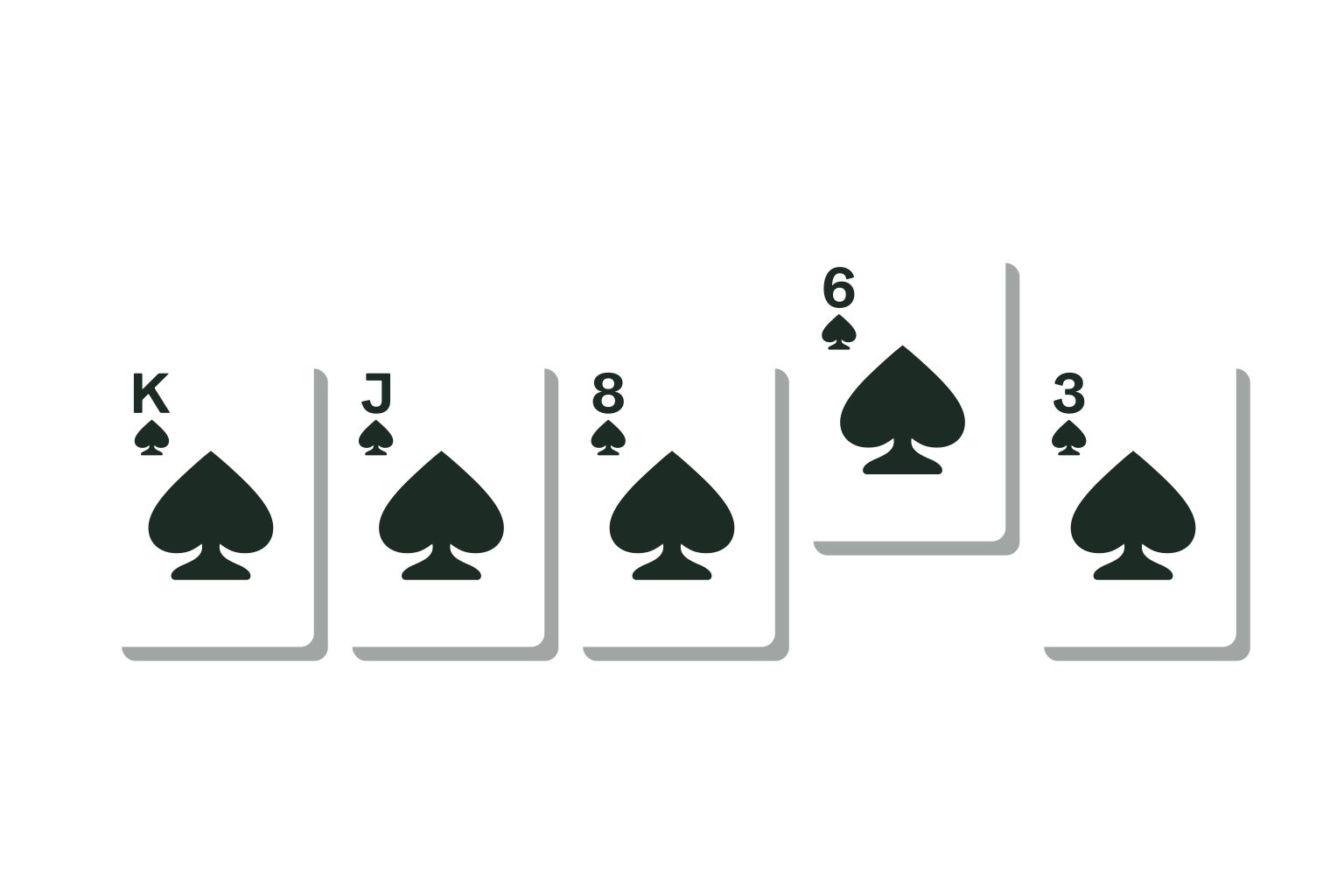
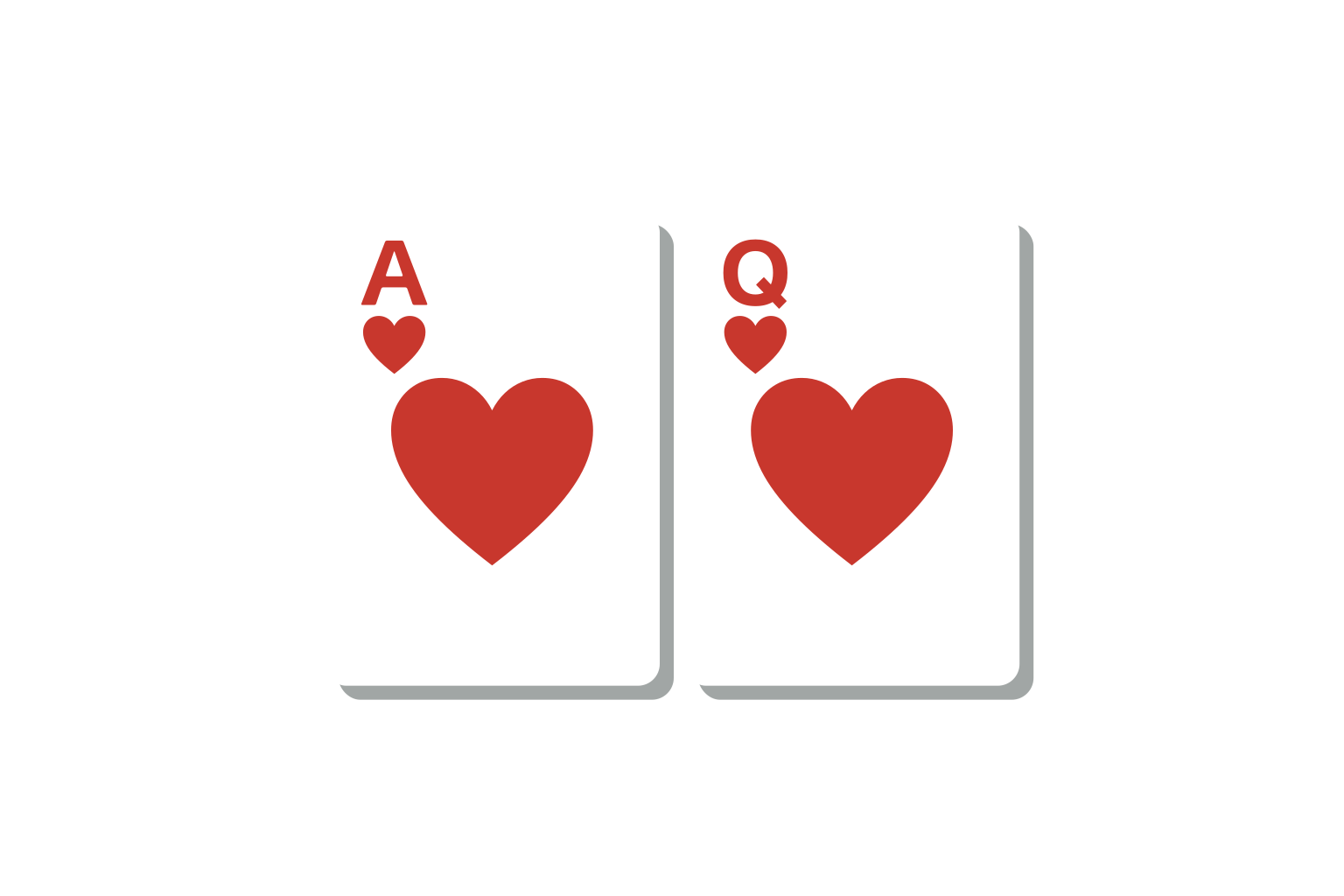
Eleven minus seven is four, so four spades higher than the 7 are in dummy, your hand and declarer's hand together. Dummy has one (the queen). You have three (the ace, jack and nine). That accounts for all four, so declarer has no spade higher than the 7.
Now trick one is easy. Play the ♠9, which wins because nobody else can beat it. Playing the ace would leave dummy's queen as a stopper, and playing the jack would waste a useful card for nothing. You also know exactly which high spades partner holds. Of the seven cards above the 7, dummy has the queen and you have the ace, jack and nine, so partner has the king, ten and eight.
What third hand concludes
The rule answers three questions at trick one, in this order.
- 1.How many higher cards does declarer hold? Subtract the ones you can see in dummy and in your hand from 11 minus the card led.
- 2.Can I win cheaply? If declarer has none, win with your lowest card that beats everything played so far, or play low and let partner's card hold if dummy has not beaten it. If declarer has one, it is often an honor, and the cards you can see often narrow down which one.
- 3.What does partner hold? The cards above the one led that are not in dummy, your hand or declarer's are partner's. That tells you whether to return the suit and how.
The rule also tells you about length. A fourth-best lead promises at least four cards. If the card led is the 2, partner has exactly four (there is no lower card left), and you know at once how many cards declarer holds in the suit.
Declarer can use it too
Declarer sees dummy and the card led, so declarer can count East's higher cards the same way.
Since East cannot beat the 6, declarer plays the ♥8 from dummy and it wins the trick, keeping the ♥K and ♥J for later. Declarer also knows that West holds the ♥Q, ♥9 and ♥7. The queen sits in front of dummy's king and jack, so later declarer can lead a heart toward dummy and play the jack if West plays low. The hearts bring four tricks without any guess.
The rules of 10 and 12
The rule of 11 depends on fourth-best leads. Partnerships that lead other cards from length use the same idea with a different number.
- Third and fifth best. These partnerships lead the third-best card from three or four cards and the fifth best from five or more. A third-best lead uses the rule of 12, because the leader holds two higher cards. A fifth-best lead uses the rule of 10, because the leader holds four higher cards.
- Attitude leads. Some partnerships lead a low card to show interest in the suit and a higher one to show less. The card then says little about length, so none of these rules applies.
All three work the same way. Count the cards higher than the one led, subtract the ones the leader holds, and see where the rest must be.
When the rule fails
The rule of 11 is exact, but only if the lead really is fourth best. It gives the wrong answer when partner led something else:
- the top of a sequence (the queen from QJ10x),
- top of nothing or the middle card of three small (MUD),
- a short-suit lead, such as the top of a doubleton or a singleton against a suit contract,
- a lead in partner's own bid suit, where many players lead low from three to an honor rather than fourth best.
The arithmetic often tells you when this has happened. If partner leads the 9 and you can see three cards higher than the 9 in dummy and your own hand, the rule says there should be only two. So the 9 was not fourth best. It is probably top of nothing or a short suit, and partner does not have the length you hoped for. Plan the defense with that in mind, and watch partner's signals for more clues.
The rule of 11 only helps a partnership that agrees on its opening leads. Most partnerships still lead fourth best against notrump, and if yours does it consistently, both defenders can count the suit from trick one. If you want to practice choosing the lead itself, the Lead Trainer gives you real auctions and shows what each card costs.
Try a lead problem in the Lead TrainerCommon questions
Short answers to what readers ask most.
- What is the rule of 11 in bridge?
- The rule of 11 is a counting shortcut for a fourth-best lead. Taking the card's rank away from 11 gives how many cards above it sit in the three hands other than the leader's. Third hand then removes the ones in view to find declarer's share.
- Why does the rule of 11 work?
- A card of rank N has 14 minus N cards above it in the suit. A fourth-best lead means the leader holds three of them, so the other hands hold 14 minus N minus 3, which is 11 minus N.
- Does the rule of 11 work against suit contracts?
- Yes, as long as the lead is fourth best. Against suit contracts more leads are short suits or sequences, so check that the arithmetic makes sense before relying on it.
- What are the rule of 10 and the rule of 12?
- They are the same calculation for other lead styles. Use the rule of 12 for third-best leads and the rule of 10 for fifth-best leads.
- Can declarer use the rule of 11?
- Yes. Declarer sees dummy and the card led, so declarer can count how many higher cards the leader's partner holds and play dummy's cards accordingly.
Practice: the rule of 11
Eight quick questions on what you just read. For a longer session, take the hundred-question quiz.