 Defense
Opening Leads in Bridge
The opening lead is the card that starts the play, chosen before anyone has seen dummy. It rests on the auction, your own hand and your agreements with partner, and a good choice can start the defense on the right suit before declarer gets going. The usual leads differ against notrump and against a suit contract.
Opening leads against notrump
Against notrump, the defenders' best chance is usually to set up long cards before declarer can take enough tricks. So the standard choice is your longest and strongest suit, or partner's suit if partner has bid. Most pairs lead fourth best from it unless they hold a sequence.
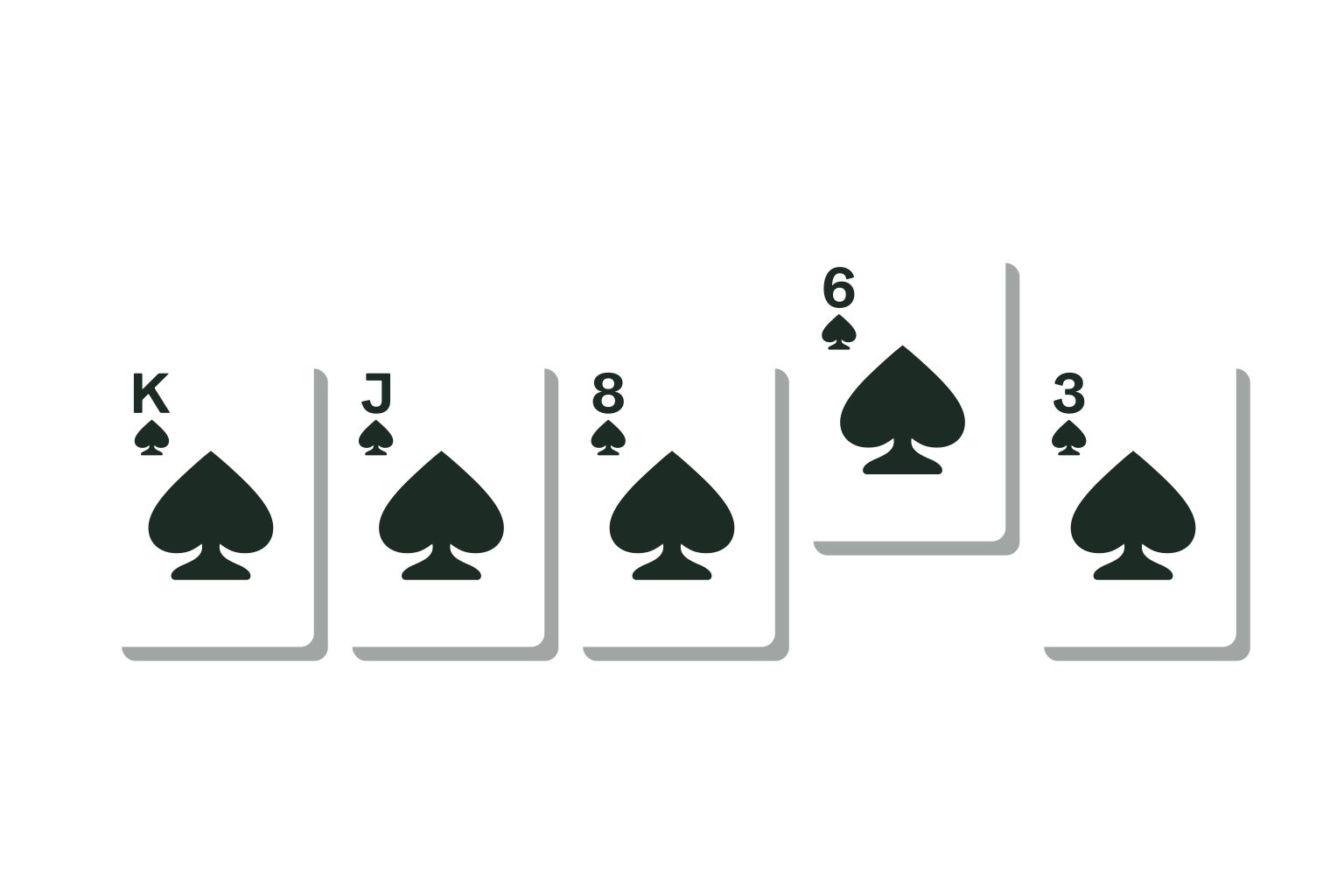
- Fourth best from your longest and strongest suit. From KJ863, lead the 6, the fourth card from the top. It tells partner you have length and probably an honor, and it lets partner use the rule of 11.
- Top of a sequence. From KQJx lead the king, from QJ10x the queen. A three-card sequence, or a broken one like KQ10, is strong enough to lead the top and knock out declarer's stoppers without giving a trick away.
- Top of an interior sequence. From KJ10x or Q109x, lead the jack or the ten. Leading the top honor from these holdings can give declarer a cheap trick.
- Partner's suit. If partner overcalled or opened, lead it unless you have a clearly better suit of your own. Lead the top from a doubleton and low from three to an honor.
Some leads against notrump are best avoided. Stay away from a suit the opponents have bid naturally, a short suit without a reason, or a three-card suit headed by a single honor (Kxx, Qxx) when you have a longer suit. Short leads rarely set up tricks, and they can give declarer a trick in the suit.
Opening leads against a suit contract
Against a suit contract, long cards matter less, because declarer will ruff them. The defenders want quick tricks and safe leads, and the aim is to avoid giving declarer a trick he could not make on his own.
- From a sequence such as KQJ, QJ10 or KQx, lead the top. A two-card sequence is a good lead against a suit, though not against notrump.
- From AK, lead the ace (or the king, by your partnership's agreement). You win the trick, see dummy and keep the lead.
- A singleton aims at a ruff. It works best when you have a trump entry, such as the ace or Kx, and when partner may have an entry to return the suit. It is a poor lead with natural trump tricks like QJ10, where a ruff would cost you a trick you were going to make anyway.
- Lead a trump when the auction says dummy will ruff, for instance when dummy took a preference to declarer's second suit, or the opponents are playing in a doubled part score. Trump leads also suit hands with strong holdings in declarer's side suits.
- Partner's suit is still the default, especially when partner's bid promised a good suit.
Which card to lead
Once you have picked the suit, the card follows from the holding.
| Holding | Lead against notrump | Lead against a suit |
|---|---|---|
| KQJ6 | King | King |
| QJ103 | Queen | Queen |
| KQ104 | King | King |
| KJ104 | Jack | Jack |
| KQ74 | Fourth best (4) | King |
| AK73 | Fourth best (3) | Ace (or king by agreement) |
| K9753 | Fourth best (5) | Fourth best (5) |
| A9753 | Fourth best (5) | Ace, or lead another suit |
| 10982 | Ten | Ten |
| 963 | Nine (top of nothing) or 6 (MUD) | Nine or 6 (MUD) |
| 85 | Eight | Eight |
| 7 (singleton) | Seven | Seven |
From three small cards partnerships differ. Top of nothing tells partner at once that you hold no honor. The MUD lead (middle, up, down) helps partner tell three small cards from a doubleton. Neither method is clearly better, so agree on one with partner and keep to it, because partner reads your lead together with the signals you give later.
Reading the auction
The auction often matters more than your holding. A few questions sort out most problems.
- 1.Did partner bid? Then lead partner's suit unless you have a strong reason not to.
- 2.Did dummy show a long side suit? Declarer will discard losers on it, so be active: lead from an honor and try to set up or cash tricks quickly.
- 3.Did the opponents bid with little to spare, like 1NT - 2NT - 3NT or another game reached after an invitation? Then be passive: lead safely from a sequence or small cards and let declarer find the tricks.
- 4.Is there a suit dummy bid? Partner sits behind dummy, so a lead of dummy's suit traps dummy's honors. The old advice to lead through strength comes from this. Leading up to declarer's bid suit usually helps him.
- 5.Is it a slam? Against a small slam in a suit, try to set up a trick quickly before declarer's discards come. Against 6NT or a grand slam, make the safest lead you can, unless the auction shows a long suit for declarer to run.
Two lead problems
You can test your choices in the Lead Trainer. Pick a lead from a real auction and see what every card in your hand costs over thousands of layouts.
Try a lead problem in the Lead TrainerCommon questions
Short answers to what readers ask most.
- What is an opening lead in bridge?
- The opening lead is the first card of the play, made by the defender on declarer's left before dummy comes down. Every later card is played with dummy in view, so this one has to be picked from the bidding and the partnership's agreements.
- What is the best opening lead against notrump?
- Most defenders attack their longest and strongest suit by leading its fourth highest card. Holding a sequence such as KQJ, they lead the top card instead. If partner has bid a suit, leading it is normally best.
- What should I lead against a suit contract?
- A sequence headed by an honor is the safest start, led from the top. The ace from AK, partner's suit, and a singleton when you have a trump entry are also good choices. Avoid leading away from an ace or from unsupported honors like Kxx.
- Should I ever underlead an ace?
- Almost never against a suit contract. Declarer may win a singleton king, and your ace may never take a trick. Against notrump, leading low from a long suit headed by the ace is normal.
- When should I lead a trump?
- Lead a trump when the auction suggests dummy will ruff declarer's losers, for example when dummy gave preference to declarer's second suit, or when you hold strong cards in declarer's side suits.
- What does fourth best mean?
- It is the fourth card from the top of your suit. From KJ863 the fourth best is the 6. It shows length and helps partner work out the suit with the rule of 11.
Practice: opening leads
Eight quick questions on what you just read. For a longer session, take the hundred-question quiz.