Conventions
The Responsive Double
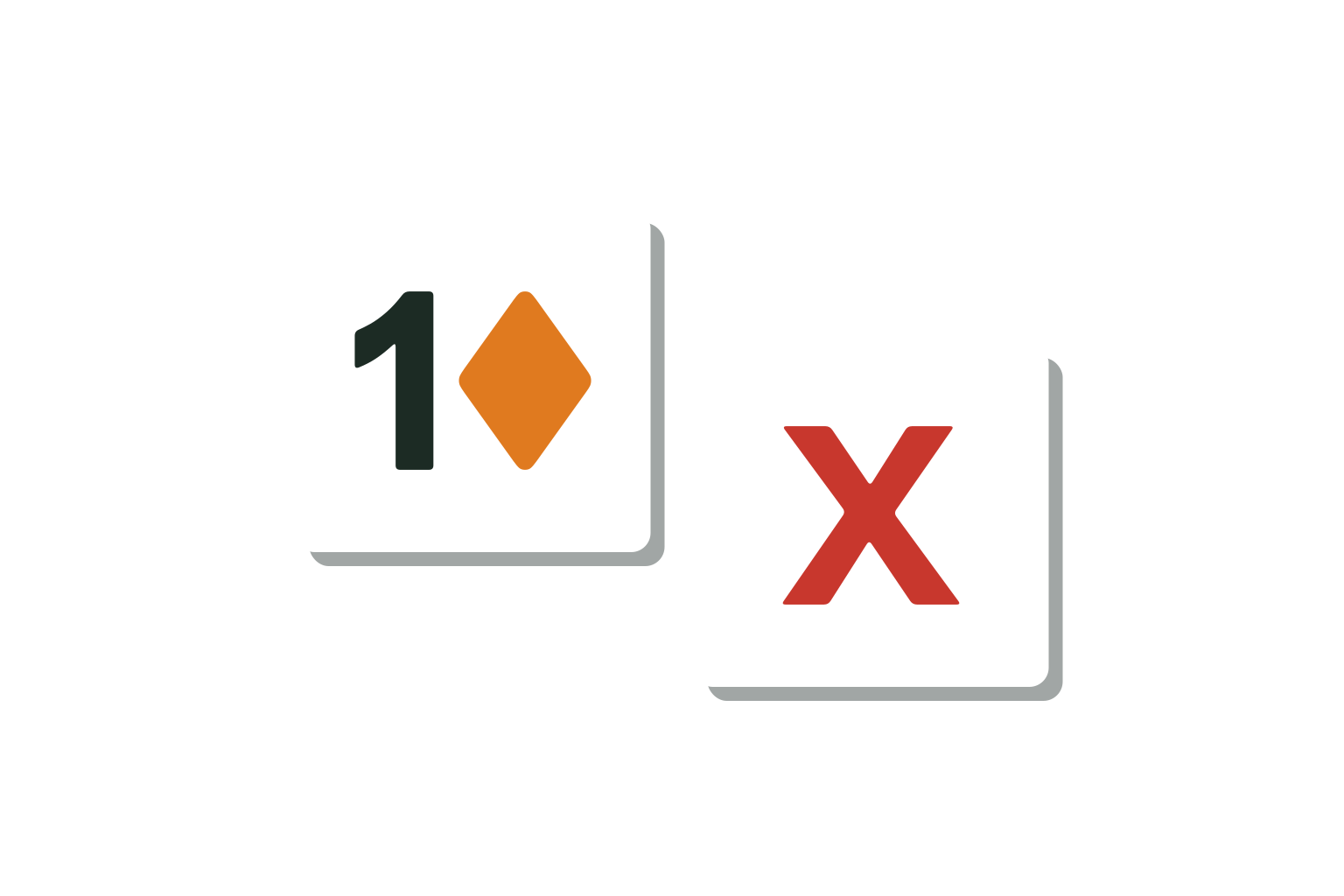
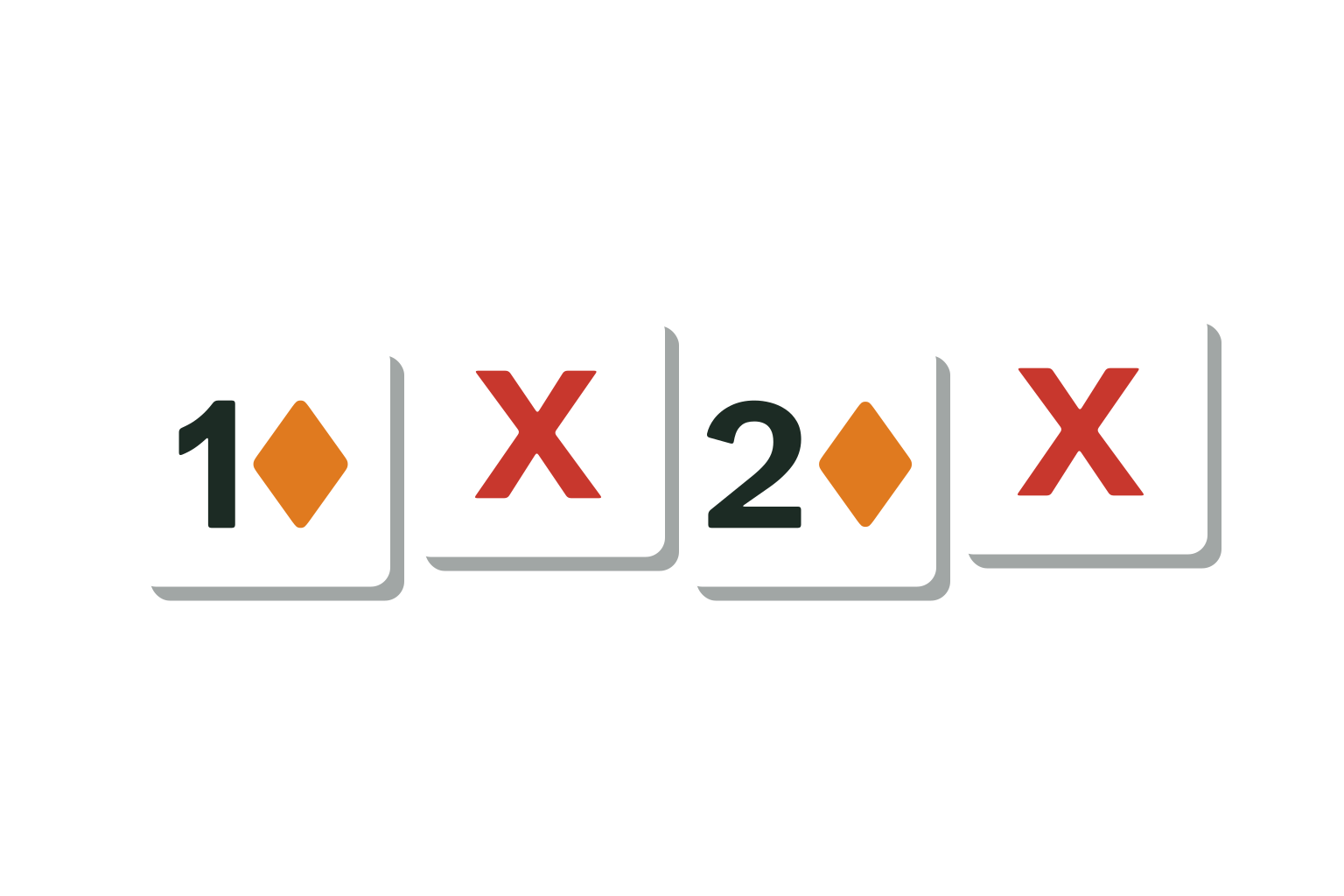
The responsive double is for the moment when partner has competed over an opening bid and the opponents then agree on a suit between them. It is a takeout double. It shows enough strength to compete and asks partner to choose a suit, which helps your side find a fit of its own when the opponents already have one.
How the responsive double works
The double comes from the fourth player at the table, and it says the hand has no clear preference between the unbid suits, so the choice is left to the doubler.
Over a raised major the double shows the minors, because advancer with the other major would simply bid it. Over a raised minor it shows both majors, usually of equal length, so the doubler can pick either one.
When to make a responsive double
Shape
Use it when you hold the two unbid suits with no clear choice between them. If one suit is clearly longer, bid it. After a raised major, bid the unbid major naturally if you hold it.
Strength
The strength you need depends on how high the opponents have raised. After a raise to the two level, about 7 or 8 points is enough, even though partner may have to answer at the three level. After a raise to the three level, aim for 9 or more, since partner's answer comes a level higher and the doubler may be minimum. A stronger hand doubles first and then bids again, or cue bids the opponents' suit if it wants to force.
How high it applies
Agree a ceiling. A common agreement is through 3♠, and some partnerships play responsive doubles up to 4♦. Above the agreed level, a double by advancer is for penalty. Many pairs use the same ceiling as for their negative doubles, and some play every double of a bid-and-raised suit as responsive, at any level.
Responsive doubles after an overcall
The same idea works when partner has overcalled. After (1♣) - 1♥ - (2♣), a double by advancer shows the two unbid suits, here spades and diamonds, with some tolerance for partner's hearts. Advancer may hold a good hand with no fit, or a hand that wants to compete in a suit partner has not bid. Advancer with a real heart fit simply raises. Partnerships differ on the exact meaning here. Some play that the double promises four cards in the unbid major, as a negative double does.
Example deal
Without the double, South's choices are a guess at the three level or a pass that lets the opponents play 2♥. The responsive double lets North choose the minor, knowing that South holds both.
Common mistakes
- Treating it as a penalty double. Once the opponents have bid and raised a suit, a double is for takeout unless it is above the agreed level.
- Doubling with a clear suit. With five diamonds and three clubs, bid 3♦ and keep the double for hands without a preference.
- Doubling with the unbid major after a major raise. After (1♥) - Dbl - (2♥), bid 2♠ with four spades, since the double shows the minors.
- Doubling a minor raise with unequal majors. After (1♦) - Dbl - (2♦), bid 2♥ or 2♠ when one major is longer, and double only with equal length.
The takeout double is usually what partner made before the responsive double, and the negative double is the same idea on the opening side. In the direct seat, a two-suited hand can use the Michaels cue bid to show both suits at once.
The responsive double tree
The tree below shows both versions of the responsive double, over a raised major and over a raised minor, with the doubler's replies and advancer's natural alternatives.
Loading the convention from the library.
Common questions
Short answers to what readers ask most.
- What is a responsive double in bridge?
- It is a takeout double by the fourth player, made after partner has doubled or overcalled and the opponents have found a fit by bidding and raising one suit. The doubler promises some strength and the other suits, and partner names the trump suit.
- What does a responsive double show over a major-suit raise?
- Both minors. With the other major, advancer would bid it naturally.
- What does a responsive double show over a minor-suit raise?
- Both majors, usually of equal length. If one major is clearly longer, advancer bids it.
- How high do responsive doubles apply?
- It is a partnership agreement. Through 3♠ is common, and some pairs play them up to 4♦.
- Is a responsive double the same as a negative double?
- They work the same way but on different sides. The negative double is made by the opening side after an overcall. The responsive double is made by the defending side after the opponents raise.
Practice: responsive doubles
Eight quick questions on what you just read. For a longer session, bid a hundred hands or take the hundred-question quiz.