 Conventions
The Takeout Double
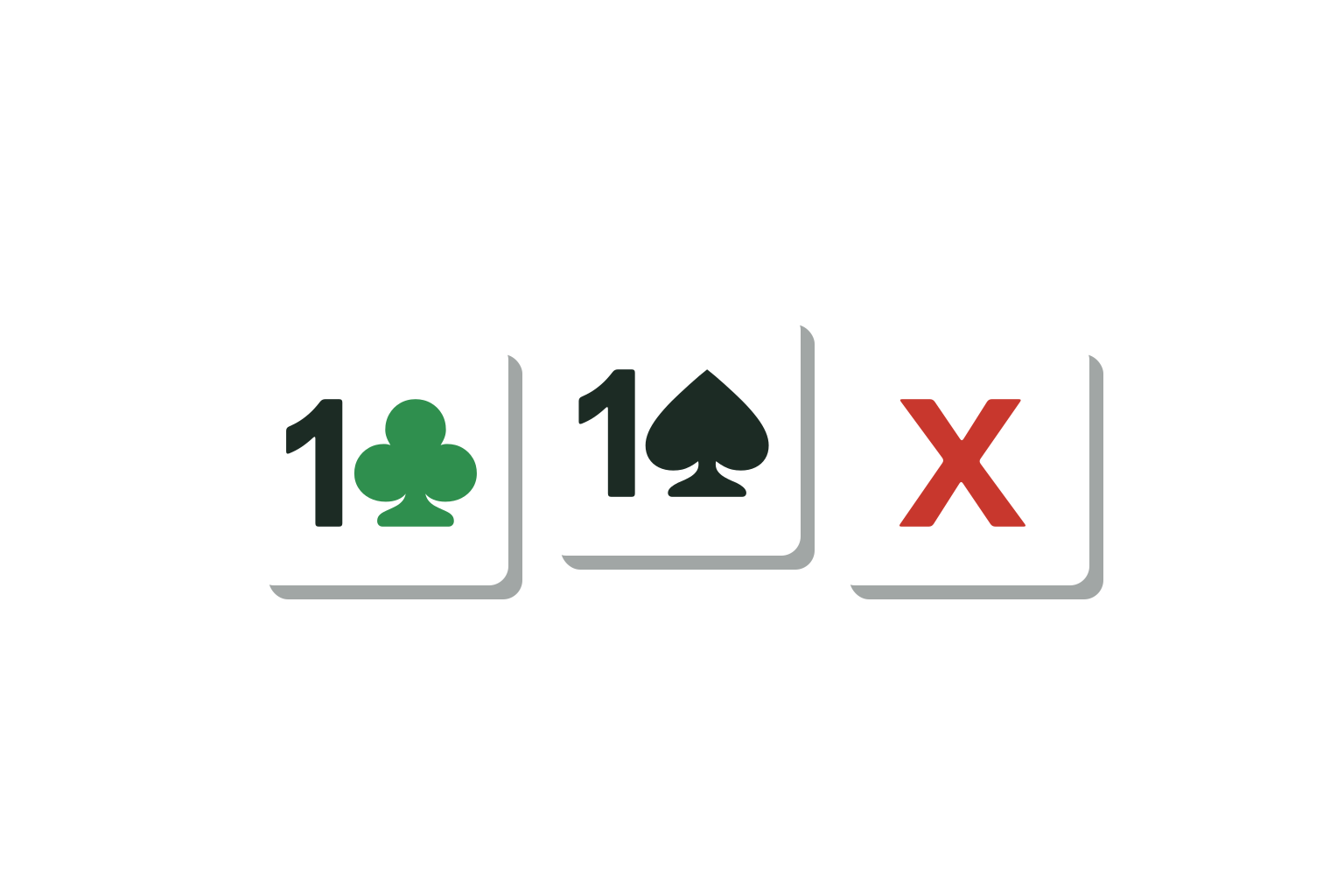
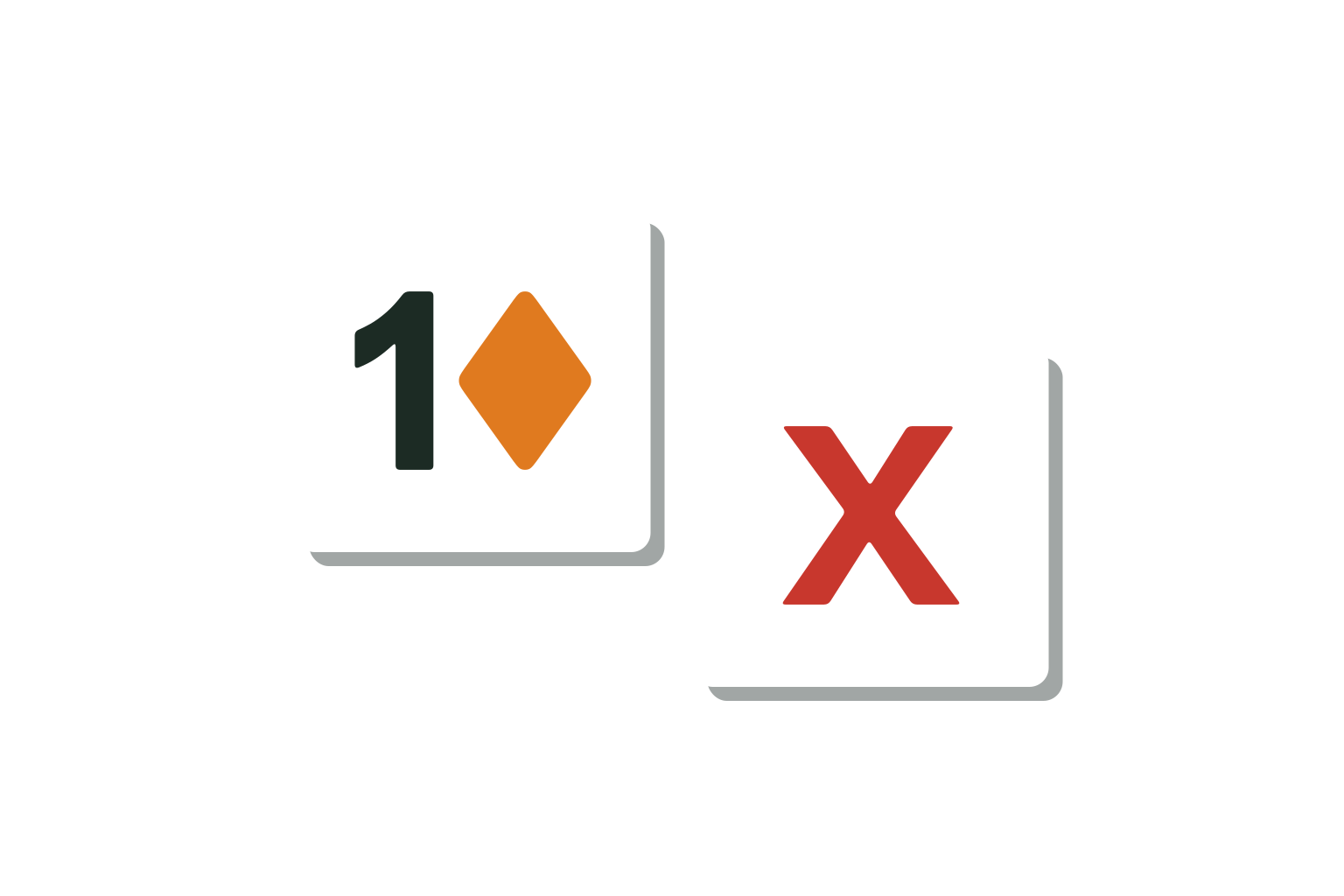
A takeout double is the double you make over an opponent's opening suit bid when you want partner to choose the trumps. It shows about the values for an opening bid, shortness in the opponent's suit and support for the other suits. Partner is expected to bid even with a weak hand, which helps your side find a fit and compete for the contract.
How the takeout double works
A double of a suit opening at a low level is for takeout as long as your partner has not bid. Partner, called the advancer, picks a reply by strength and shape.
Requirements for a takeout double
Shape
The ideal shape is short in the opened suit and at least three cards in each other suit. 4-4-4-1 and 4-4-3-2 with the shortness in their suit are classic. Over a major opening, a takeout double strongly implies four cards in the other major, because advancer will often bid it. Over 1♦, most players expect both majors from the doubler, or at least good tolerance for both.
Strength
In the direct seat a takeout double shows about 12 points or more. The better the shape, the fewer points you need. A hand of 11 points with 4-4-4-1 and the singleton in their suit is a fine double, while 13 points with three cards in their suit is not. A flat hand with 15 to 18 points is better described by a 1NT overcall.
There is no upper limit. Hands too strong for a simple overcall, roughly 17 points or more, start with a double whatever their shape and bid their own suit next. That second bid shows the strong hand, so a double does not always promise support for every unbid suit.
| Situation | Typical strength | Shape |
|---|---|---|
| Direct seat, one level | 12+ points | Short in their suit, 3+ in the others |
| Balancing seat, one level | 8+ points | Short in their suit, can be less perfect |
| Over a weak two | 13+ points | Short in their suit, support for the others |
| Over a three-level preempt | 14+ points | Short in their suit, support for the others |
| Double, then a new suit | 17+ points | Any, usually a good five-card suit |
In the balancing seat, after 1♥ - Pass - Pass, you can double with less, because partner is marked with some values. Over preempts, double with a little more, because partner must bid at a higher level.
Responding to a takeout double
Advancer must bid even with a weak hand, and shows strength by the level of the bid.
- 1.Holding 0 to 8 points, bid your best suit at the cheapest level. Prefer a four-card major to a longer minor. Passing is not an option with a weak hand, because it converts the double to penalty.
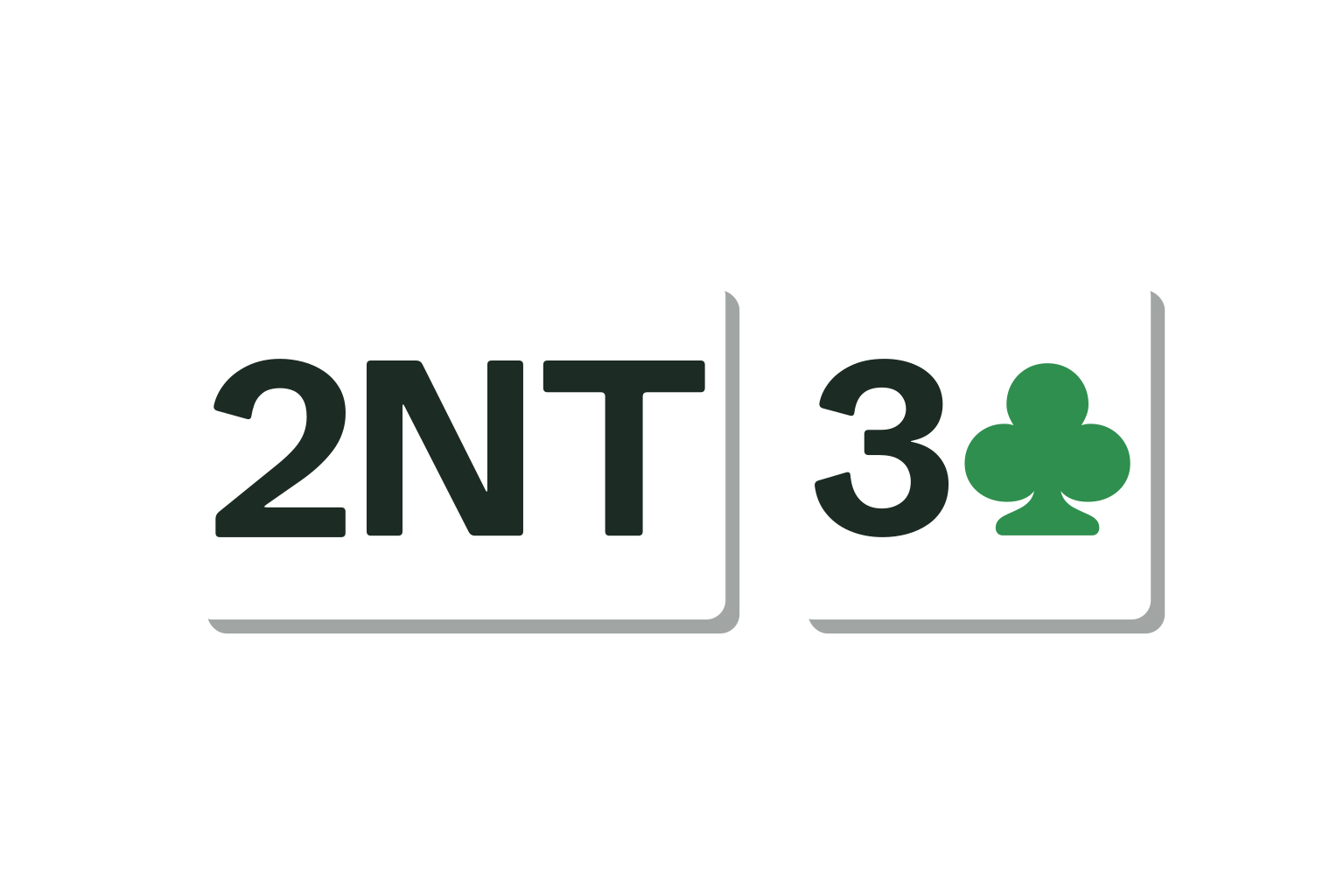
- 2.On 9 to 11 points, jump in your best suit. This is invitational and usually shows four or five cards. Holding a stopper in their suit and no major, bid 1NT with 6 to 10 (some partnerships play 7 to 10 or 8 to 10) and jump to 2NT with 11 to 12.
- 3.On 12 or more points, cue bid the opener's suit. It is the only forcing bid and asks the doubler to describe further. The auction continues until a fit is found.
- 4.Pass for penalty only with long, strong trumps in the opened suit, such as QJ1098. Your trumps sit in front of the opener, so they need to be solid.
When the opponent on your right bids after the double, you are no longer forced to bid. A free bid then shows a real suit and some values, about 5 to 10 points. If the opener's partner raised, a double by you is usually a responsive double, showing the unbid suits.
Example deal
You can deal hands like South's in the simulator and see how often a jump response leads to a making game.
Common mistakes and variations
- Doubling with length in their suit. Three or four cards in the opened suit means partner will choose a suit you cannot support. Overcall, bid 1NT or pass.
- Doubling a major without the other major. After a double of 1♥, partner will bid spades whenever they hold four. If you have only two spades, prefer another call.
- Advancer passing with a weak hand. Pass converts the double to penalty and needs a strong trump holding. A bad hand bids its cheapest suit.
- Underbidding as advancer. A simple response shows 0 to 8 points. Jump with 9 to 11, or the doubler cannot tell 0 from 10.
A double of 1NT is for penalty in Standard American and in Acol, unless the partnership plays a conventional defense such as DONT, where the double shows a one-suited hand. Takeout doubles in Acol follow the same principles described here. Many partnerships add lebensohl responses after a double of a weak two, which separate weak hands from invitational ones. Two-suited hands, especially five-five, are usually better shown with the Michaels cue bid or the unusual 2NT, which name both suits at once. When the opponents overcall your side's opening, responder's equivalent is the negative double.
The full takeout double tree
The tree below lists every response to a takeout double of 1♦ and 1♥ by strength, the doubler's rebids, and what happens when the next player bids.
Loading the convention from the library.
Common questions
Short answers to what readers ask most.
- What is a takeout double in bridge?
- A takeout double is a double of the opponents' opening bid that asks partner to bid a suit rather than defend. The doubler has about an opening hand, few cards in the opponents' suit and length in the other suits.
- How many points do you need for a takeout double?
- About 12 or more in the direct seat, fewer with ideal shape. In the balancing seat, about 8 points is enough.
- Can I pass partner's takeout double?
- Only with long, strong trumps in the opened suit, because a pass turns the double into a penalty double. With a weak hand you must bid.
- How do I show a good hand when responding to a takeout double?
- Jump in your best suit with 9 to 11 points. A hand of 12 or more cue bids the opener's suit, which is forcing.
- How do I know if a double is for takeout or for penalty?
- Over a low-level suit opening, with partner still silent, it is for takeout. A double of 1NT is normally for penalty, and doubles later in the auction depend on partnership agreement.
Practice: takeout doubles
Eight quick questions on what you just read. For a longer session, bid a hundred hands or take the hundred-question quiz.