 Conventions
Reverse Drury
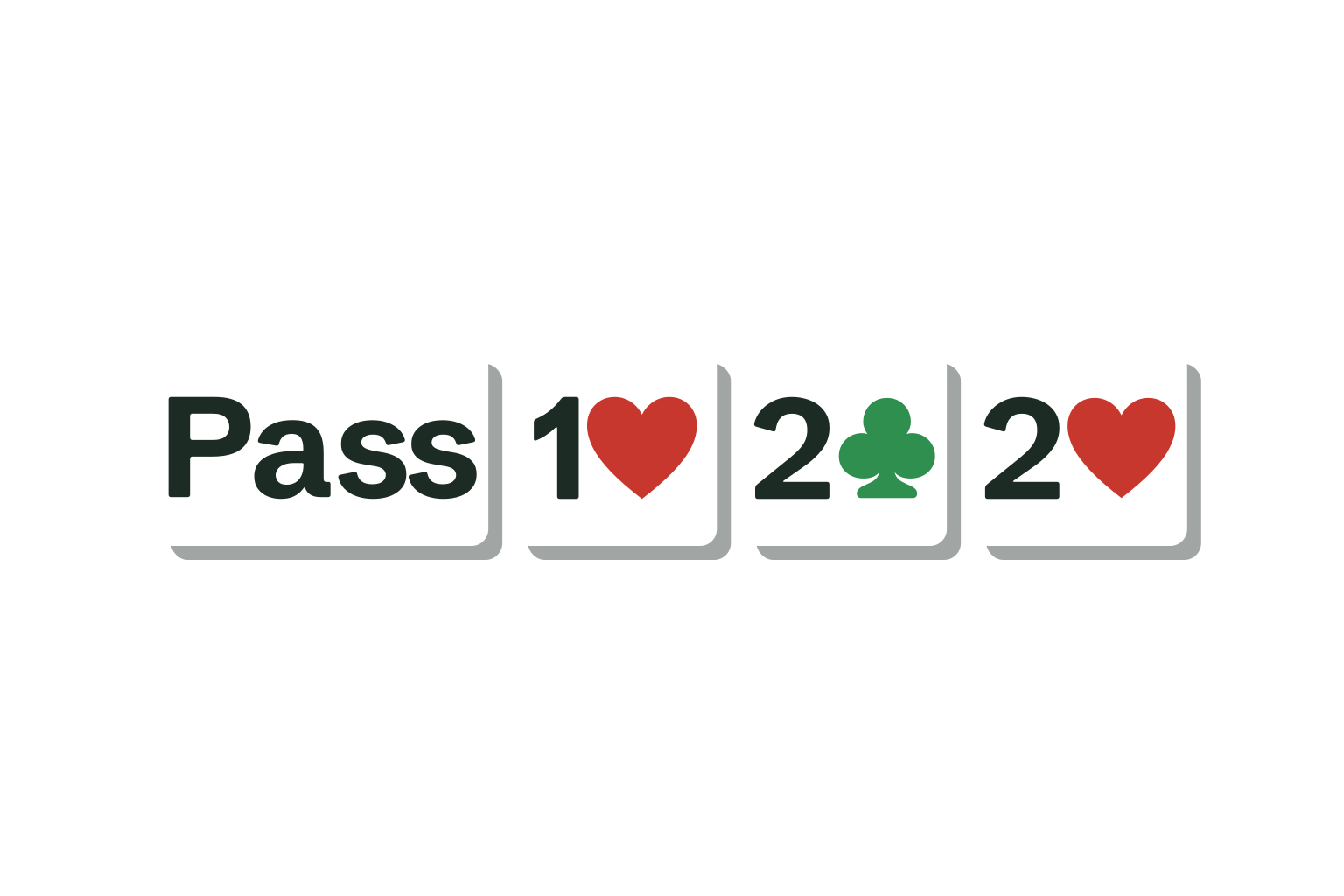
Reverse Drury is a way of playing the Drury convention, a 2♣ response by a passed hand to partner's 1♥ or 1♠ opening in third or fourth seat. It shows support for the major with a hand just short of game values. Opener can then say whether the opening was full strength or light without raising the level, so a light opener can stop at the two level.
How Reverse Drury works
Responder's 2♣ is the same as in any form of Drury. It promises three or more cards in opener's major and about 10 to 11 points. What changes is the meaning of opener's rebid.
When opener is light, the auction ends one round sooner at the same level, with no artificial bid for the opponents to double for a lead or to compete over. When opener has a real hand, the cheap 2♦ leaves room to find out how good responder's raise is.
Opener's rebids in Reverse Drury
Opener's rebid first tells responder whether the opening was light or full. Most partnerships use "full" to mean a hand that would have opened in first seat, about 12 points or more with normal shape.
| Rebid | Meaning | What responder does |
|---|---|---|
| 2 of the major | Light opening, no interest in game | Passes |
| 2♦ | Full opening, game interest; artificial | 2M with a minimum, 4M with a maximum |
| New suit (2♥ over 1♠, or a three-level suit) | Full opening, natural; a game try in that suit by agreement | Bids game with help in that suit, otherwise returns to the major at the lowest level |
| 4 of the major | Full opening, enough for game opposite any limit raise | Passes |
Opener's 2♦ says nothing about diamonds. It only says "I have a real opening, tell me more".
An opener with a full opening and game values opposite any limit raise should not bother with 2♦. Bid four of the major at once, and the opponents learn as little as possible about the hands.
Responder's minimum and maximum
Responder's 2♣ covers roughly 10 to 11 high-card points, a limit raise by a hand that did not open. Many books give it as 10 to 12 points counting shape. Over opener's 2♦, responder rebids two of the major with 10 or a poor 11, and opener decides whether to bid game. With a good 11, responder bids four. Shape counts: a doubleton with four trumps, or a good five-card side suit, makes a hand a maximum even with fewer points.
Two-way Drury: 2♣ and 2♦
Two-way Drury splits the limit raise by trump length. A passed hand bids 2♣ with exactly three trumps and 2♦ with four or more. Opener rebids in the same Reverse Drury style, two of the major with a light opening and anything else with a full one.
Two-way Drury separates three and four trumps because the ninth trump is worth about a trick, and it changes how high the partnership should compete. Opposite four-card support, opener can accept game more freely and, when light, can compete to the three level if the opponents balance over 2♠. Opposite three-card support, opener should be more cautious. The cost is that a passed hand can no longer bid a natural 2♦, but a passed hand with long diamonds and no fit rarely needs to.
Two-way Drury pairs naturally with Bergen raises, which follow the same principle of showing four-card support at once. Some partnerships that play Bergen by a passed hand use only one-way Drury for three-card raises and send four-card raises through 3♣ and 3♦.
Example: a full opening
Change North's ♣J to the ♣3 and North has 10 points, a minimum. Over 2♦ North now bids 2♥ to show a minimum, and South decides between passing and bidding 4♥. Had South opened a light 11 count instead, South would have rebid 2♥ over 2♣ and played there.
Interference and common mistakes
Reverse Drury is a tool for uncontested auctions. If an opponent overcalls before responder bids, most partnerships switch Drury off and show the limit raise with a cue bid of the overcaller's suit. If an opponent bids over responder's 2♣, opener can simply rebid the major with a light hand, or double or bid game with a full one. Many pairs also play Drury off after a takeout double. Agree these details with your partner.
- Rebidding 2♦ with a light hand. In Reverse Drury, 2♦ shows a full opening. A light opener rebids two of the major.
- Raising after the sign-off. When opener rebids two of the major, responder has already described the hand and passes, even with a maximum.
- Using two-way Drury with the wrong trump count. Opener will compete on the basis that 2♣ shows exactly three trumps and 2♦ four or more.
- Forgetting to alert. Responder's 2♣ and 2♦, and opener's 2♦ rebid, are artificial.
- Playing Drury by an unpassed hand. It applies only after responder has passed. Over a first- or second-seat opening, use your normal raises, including Jacoby 2NT for game-forcing hands.
The Reverse Drury tree
The tree below shows two-way Drury with Reverse Drury rebids over both 1♥ and 1♠, with opener's light and full rebids.
Loading the convention from the library.
Common questions
Short answers to what readers ask most.
- What is Reverse Drury in bridge?
- Reverse Drury is the modern form of Drury. After a passed hand's 2♣ limit raise, opener rebids two of the major with a light opening and any other bid, usually an artificial 2♦, with a full opening.
- What is the difference between Drury and Reverse Drury?
- They differ only in opener's rebid after the passed hand's 2♣. In original Drury, the light opener answers with an artificial 2♦, and responder then stops in two of the major. In Reverse Drury, opener shows a light opening by rebidding two of the major, and 2♦ or any other bid shows a full opening.
- What does opener's 2 diamonds mean in Reverse Drury?
- It is artificial and shows a full opening bid with interest in game. Responder then rebids two of the major with a minimum limit raise, leaving the decision to opener, and bids four with a maximum.
- What is two-way Reverse Drury?
- It uses two responses by a passed hand: 2♣ for a limit raise with exactly three trumps and 2♦ for a limit raise with four or more. Opener rebids two of the major with a light hand and makes any other bid with a full opening.
- Why is Reverse Drury better than the original?
- Opener, who knows whether the opening was light, can sign off directly in two of the major. The auction ends sooner and the opponents get no artificial bid to double or compete over.
- Is Reverse Drury used after interference?
- Usually not. Most partnerships turn Drury off once the opponents overcall and use a cue bid of their suit to show the limit raise.
Practice: Reverse Drury
Eight quick questions on what you just read. For a longer session, bid a hundred hands or take the hundred-question quiz.