Conventions
The Drury Convention
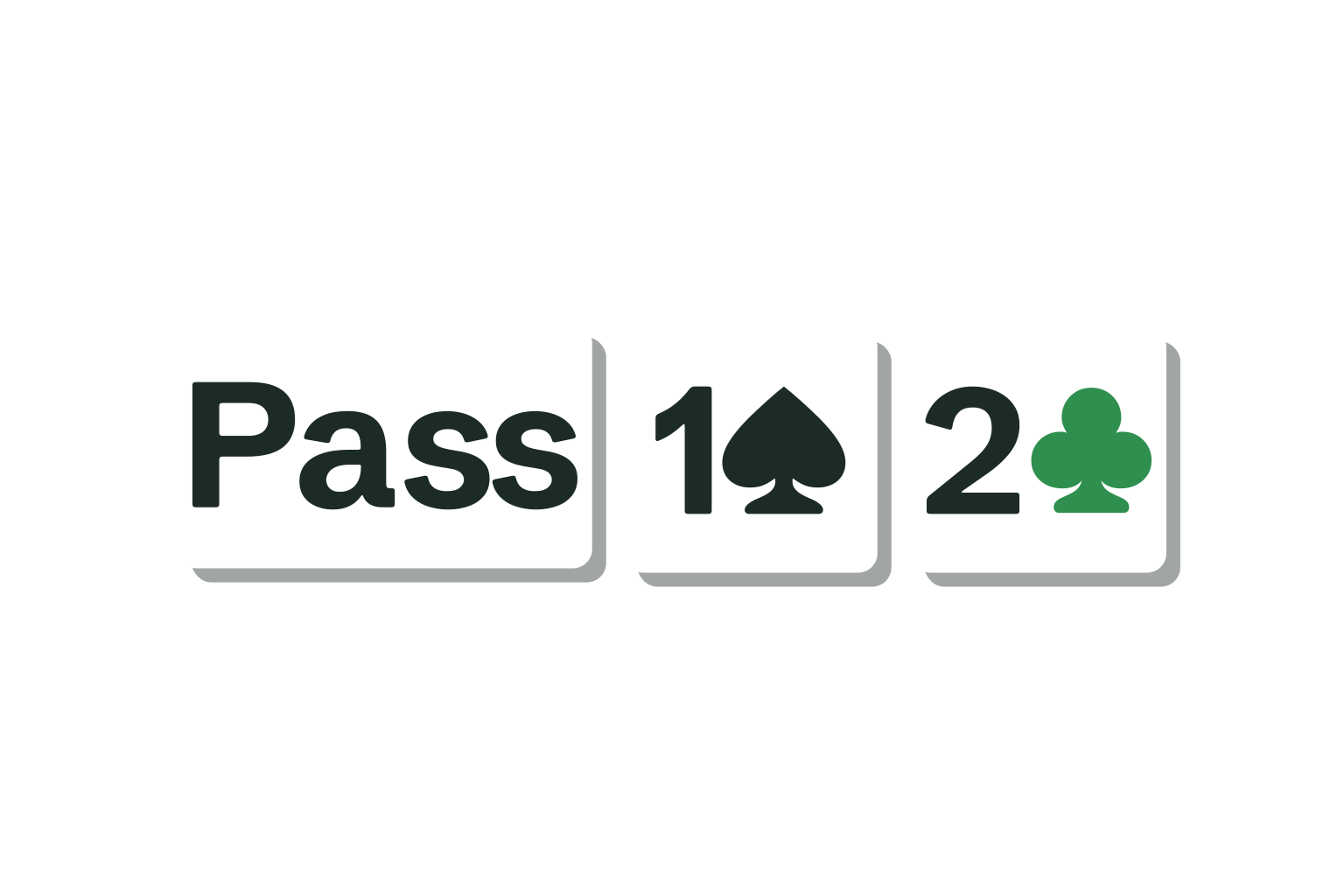
The Drury convention is an artificial 2♣ reply to partner's opening of one of a major, used by a player who has already passed. It shows support for the major and a hand just short of an opening bid. Because openings in third or fourth seat are often light, Drury lets opener stop at the two level when game is out of reach.
How the Drury convention works
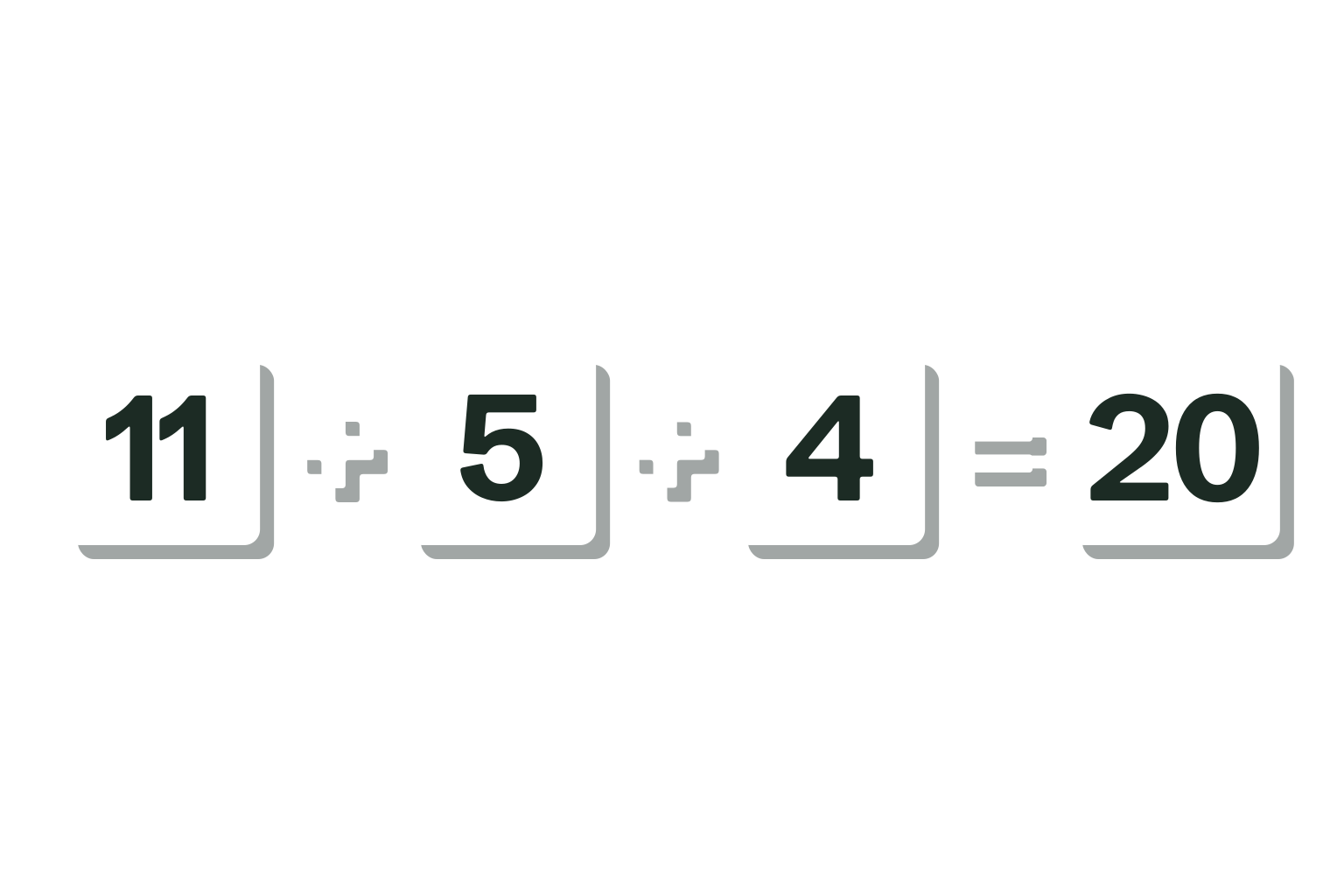
The 2♣ bid says nothing about clubs. It shows support for opener's major (three or more cards in the basic version) and limit raise values, about 10 to 11 points counting shape: a hand short of an opening. It is the hand that would have bid three of the major if partner had opened in first or second seat.
Opener now tells responder whether the opening was real. In the modern form, called Reverse Drury, opener with a light opening simply rebids two of the major and responder passes. Opener with a full opening bids something else.
From Drury to Reverse Drury to two-way Drury
The convention has gone through three versions. All three share the passed-hand 2♣ and differ in what opener's rebid means.
| Form | Responder | Opener's light rebid | Opener's full rebid |
|---|---|---|---|
| Original Drury | 2♣: limit raise | 2♦ (artificial) | Two of the major or anything else |
| Reverse Drury | 2♣: limit raise | Two of the major | 2♦ or anything else |
| Two-way Drury | 2♣: three trumps; 2♦: four trumps | Two of the major | Any other bid |
In original Drury, devised by Douglas Drury, opener showed a light hand with an artificial 2♦ and responder then signed off in two of the major. That took an extra round of bidding to stop in the same place, and gave the opponents a cheap chance to come in. Reverse Drury fixed this by letting opener sign off directly, and today it is what most players mean by Drury. Two-way Drury adds a second bid: 2♣ shows the limit raise with exactly three trumps and 2♦ with four or more, so opener can judge how high to compete. The Reverse Drury guide covers opener's rebids in detail.
When to use Drury
- Responder has passed. An unpassed hand has a normal limit raise and normal methods, such as Bergen raises or Jacoby 2NT.
- Partner opened a major in third or fourth seat. Drury is not used over minor-suit openings.
- You hold support and 10 to 11 points. On less, raise to two of the major. On a weak hand with four or more trumps, jump to three of the major as a pre-empt.
- The opponents have not interfered. After an overcall, some partnerships keep 2♣ as Drury when it is still available, and others switch Drury off and show the limit raise with a cue bid of the overcaller's suit. Over a takeout double, agree whether Drury still applies.
Example: stopping in two
Give South a full opening instead, for example the same hand with the ♦K in place of the ♦8. South would then bid 2♦ to show a real opening. North would say whether the raise is a minimum or a maximum, and South would decide about game.
Common mistakes
- Using Drury as an unpassed hand. 2♣ by an unpassed hand is a natural response.
- Forgetting that 2♣ is artificial. Opener must not treat it as a club suit, and the opponents are entitled to an alert.
- Passing 2♣. Drury is forcing. Opener must rebid, even with a minimum.
- Bidding Drury with a weak hand. Drury promises a limit raise. With 6 to 9 points and support, raise to two directly.
- Mixing up the versions. If one partner plays the original and the other plays Reverse Drury, a 2♦ rebid means opposite things. Agree on one form.
The full Drury tree
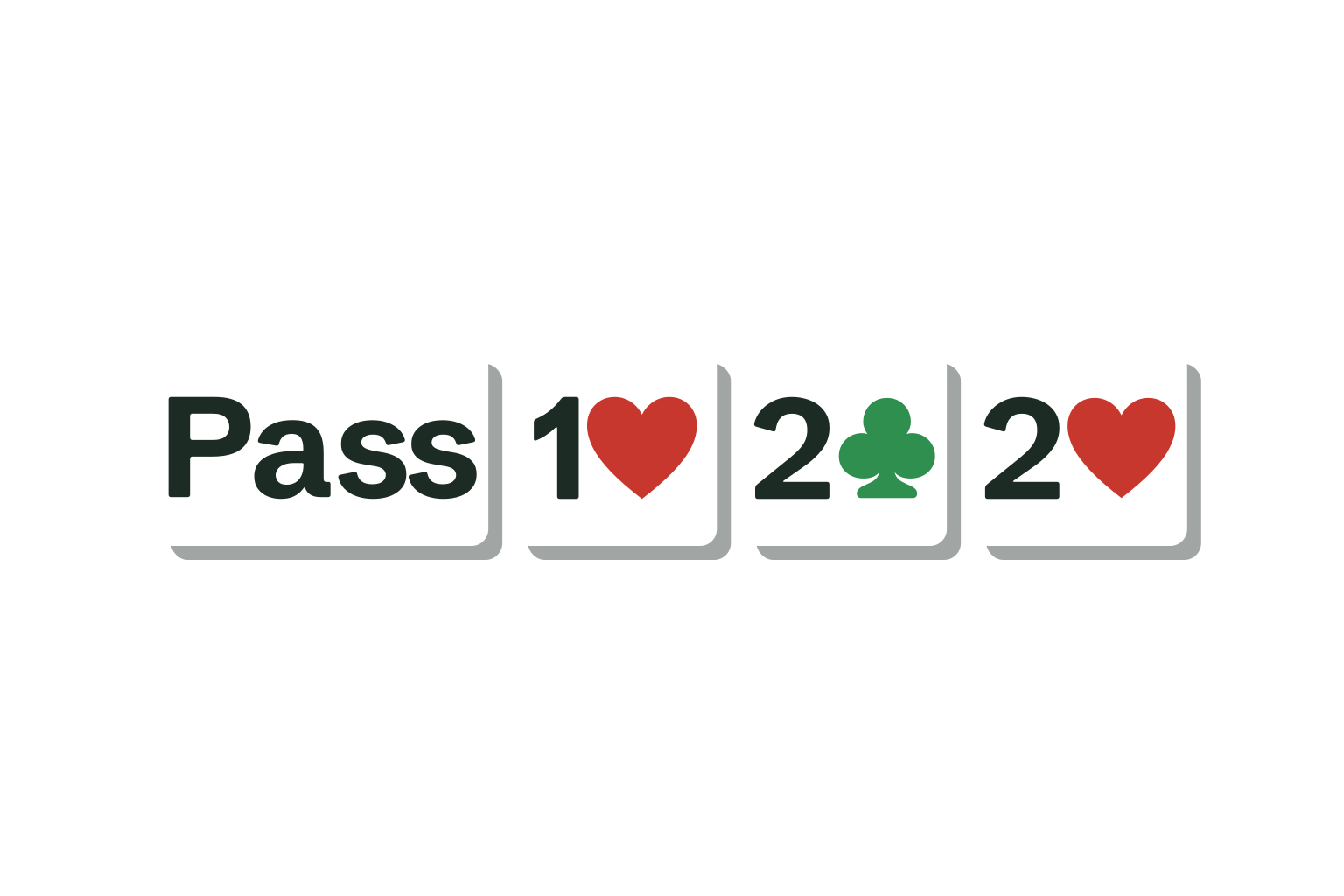
The tree below shows two-way Drury over 1♥ and 1♠, with opener's Reverse Drury rebids and every continuation.
Loading the convention from the library.
Common questions
Short answers to what readers ask most.
- What is the Drury convention in bridge?
- It is a convention for passed hands. After a third- or fourth-seat 1♥ or 1♠, responder bids 2♣ with support for the major and about 10 to 11 points, and a light opener can then stop at the two level.
- What is the difference between Drury and Reverse Drury?
- In original Drury, opener shows a light opening with an artificial 2♦. In Reverse Drury, opener shows a light opening by rebidding two of the major, and 2♦ or any other bid shows a full opening. The Reverse Drury guide covers opener's rebids in detail.
- Can a passed hand still respond 2 clubs with a club suit when playing Drury?
- No. Once you play Drury, a passed hand's 2♣ is always the artificial limit raise. With long clubs and no fit, respond 1NT, or jump to 3♣ if your partnership plays it as natural.
- Is Drury used in first or second seat?
- No. Drury needs responder to be a passed hand, so it only applies when partner opens in third or fourth seat.
- How many points does Drury show?
- About 10 to 11 points counting shape, the values of a limit raise by a hand that did not open, with support for opener's major.
Practice: Drury
Eight quick questions on what you just read. For a longer session, bid a hundred hands or take the hundred-question quiz.