 Conventions
The Flannery Convention
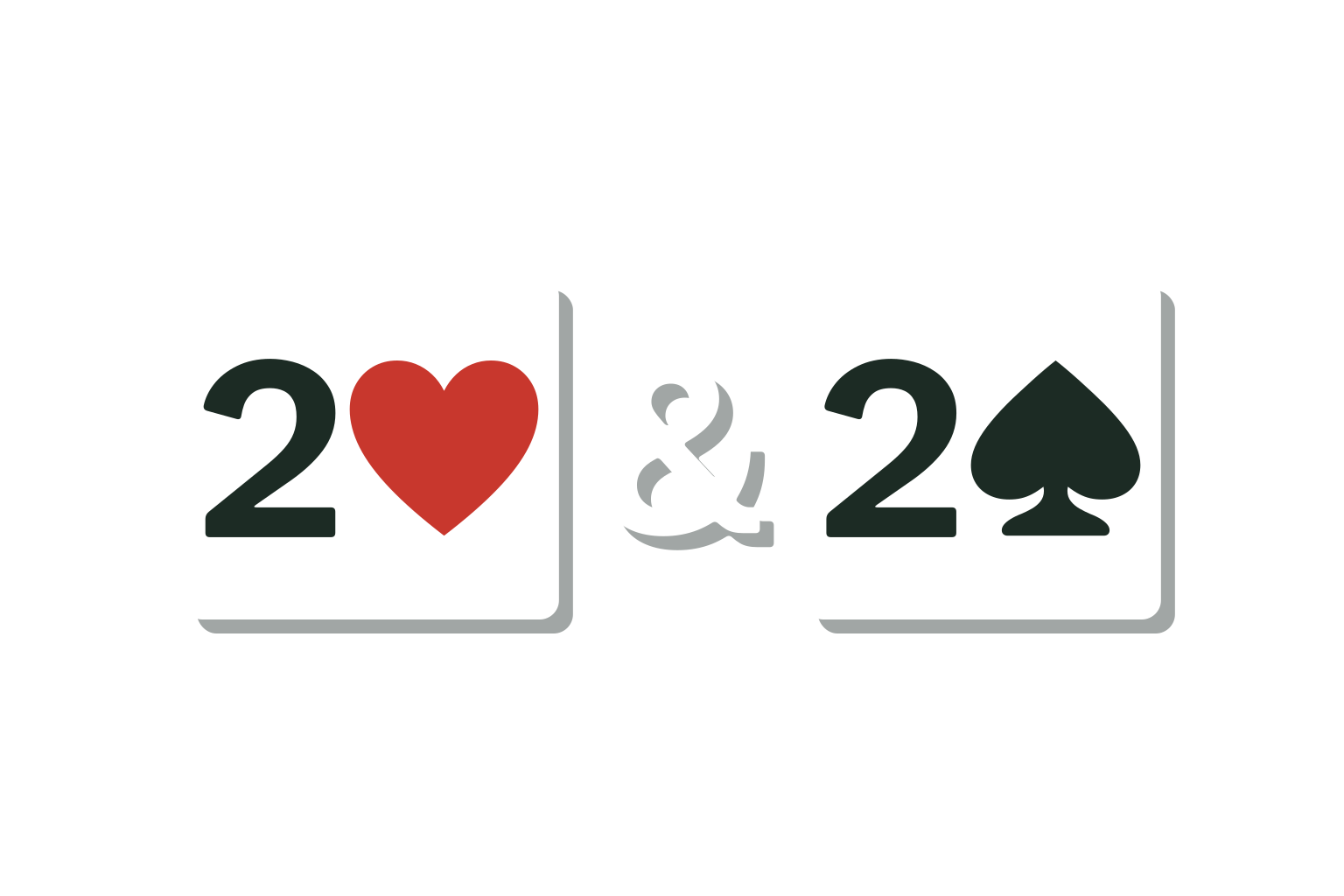
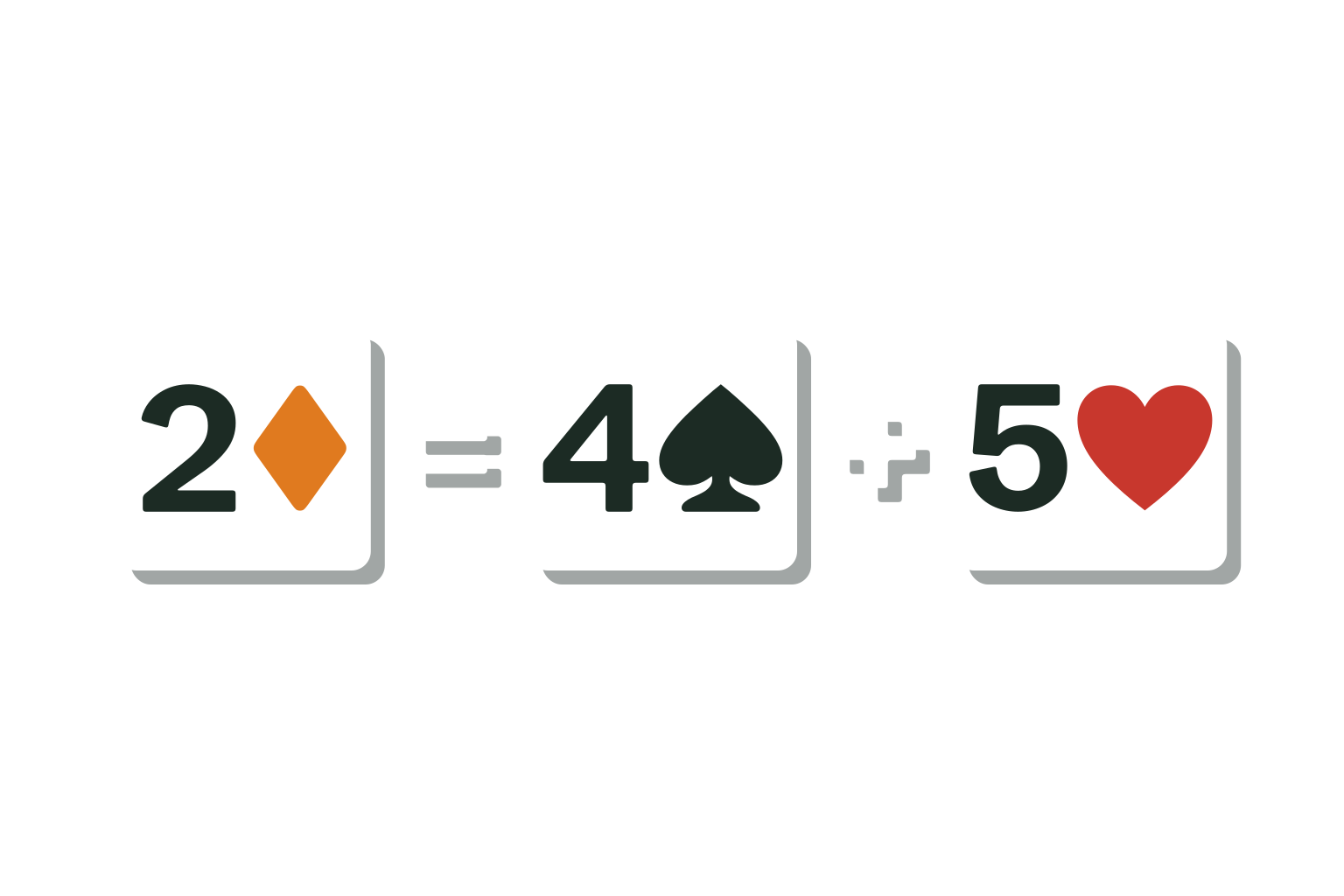
Flannery 2♦ is an opening bid that shows one particular hand, five hearts and four spades with the values for an opening bid that is not strong. That hand has no comfortable rebid after a 1♥ opening and a 1NT response, and Flannery lets opener describe it in one go. Partner can then place the contract or ask for more.
How the Flannery convention works
Opener's minors are 2-2, 3-1 or 1-3, and some partnerships include 4-0. Responder already knows nine of opener's thirteen cards and usually places the contract at once. Only one bid, 2NT, asks for more.
Many pairs add two more answers to 2NT. 3NT shows a 4-5-2-2 maximum with honors in both minors, and 4♣ or 4♦ shows a four-card minor and a void (4-5-0-4 or 4-5-4-0). Responder can also pass 2♦ with long diamonds. Some pairs play responder's 3♦ as invitational rather than as a sign-off.
Requirements
- Exactly four spades, and five hearts in the classic version. Many partnerships also open 2♦ with four spades and six hearts, so agree whether yours does. Without that agreement a 4-6 hand opens 1♥ and rebids the hearts. With 5-5 open 1♠.
- 11 to 15 high-card points. Holding 16 or more, open 1♥ and reverse into 2♠ to show the extra strength.
- Any seat, unless the partnership agrees to open 1♥ in third or fourth seat instead.
Playing Flannery also changes the 1♥ opening. Partner knows that a minimum 1♥ opening never holds exactly four spades with the five hearts, which makes opener's later rebids easier to read. The price is the weak two bid in diamonds, and it is the main reason many partnerships do not play Flannery.
Responding to Flannery
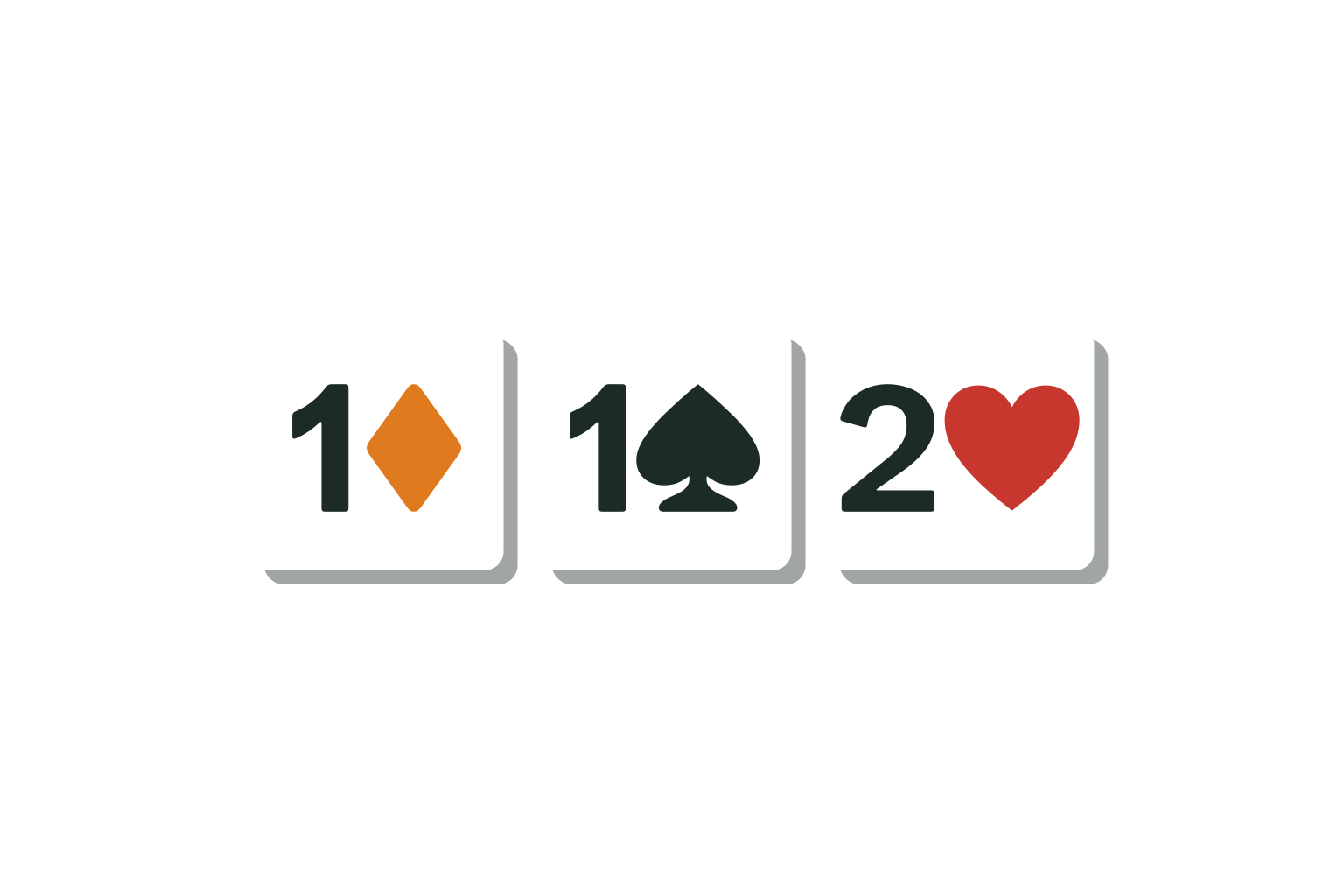
Responder counts the combined values. Below about 10 points, sign off in the better major at the two level, choosing hearts when the majors are equal because opener has five. An invitational hand with a fit jumps to three of the major, and a hand with game values and a fit bids game directly. 2NT is kept for hands that need to know opener's exact shape or strength, usually for 3NT or a slam.
After the 2NT answer, responder knows opener's exact shape and, for 4-5-2-2 hands, whether opener is minimum or maximum. Usually that settles the choice between 3NT and four of a major. A three-card minor opposite responder's strong minor can bring a minor suit slam into view. A singleton in responder's long suit makes 3NT worse and the major suit game better, as the second example below shows.
A responder with a long minor and no fit for either major bids three of that minor, natural and not forcing, and opener passes. If you have long diamonds, passing 2♦ plays there one level lower.
Example hands
Common mistakes
- Opening Flannery with five spades. Flannery always holds exactly four spades and more hearts, so a 5-5 or 5-4 hand opens 1♠.
- Opening Flannery with 16 or more. A strong 4-5 hand opens 1♥ and reverses.
- Responding 2♠ with equal length in the majors. Opener has five hearts and only four spades. Three cards in each major means hearts are the eight-card fit and spades only seven.
- Forgetting what 1♥ now shows. In a Flannery partnership, opener's 1♥ followed by 2♠ is a reverse with 16 or more. Do not bid 2♠ on a minimum.
The Flannery bid tree
The tree below is the Flannery 2♥ version, played by partnerships who want to keep 2♦ as a weak two. The 2♥ opening shows the same 4-5 hand and the responses follow the tree above, except that responder who wants to play in hearts passes 2♥.
Loading the convention from the library.
Common questions
Short answers to what readers ask most.
- What is the Flannery convention in bridge?
- It is an artificial opening of 2♦ made on a minimum hand (11 to 15 high-card points) holding five hearts and four spades. Nothing is promised in diamonds.
- What is the 2NT response to Flannery?
- It is an artificial ask with at least invitational values. Opener shows a three-card minor with 3♣ or 3♦, and with 4-5-2-2 bids 3♥ on a minimum or 3♠ on a maximum.
- Is Flannery part of SAYC?
- No. The Standard American Yellow Card uses 2♦ as a weak two. Flannery is an optional addition that replaces it.
- What is the difference between Flannery 2♦ and Flannery 2♥?
- Only the opening bid. Flannery 2♥ shows the same hand and keeps 2♦ free for a weak two, at the cost of the weak two in hearts. The responses are almost the same.
- Why do some players not play Flannery?
- It costs the weak two in diamonds, it comes up rarely, and it tells the defenders opener's shape. Many partnerships prefer to open 1♥ and, after a 1NT response, rebid a short minor or rebid the hearts.
Practice: Flannery
Eight quick questions on what you just read. For a longer session, bid a hundred hands or take the hundred-question quiz.