 Conventions
Reverse Bids in Bridge
A reverse is opener's rebid in a new suit, at the two level and without a jump, that ranks higher than the suit opened. It shows more than a minimum opening, because it pushes the auction a level higher whenever responder wants to go back to opener's first suit. Knowing when your hand is good enough to reverse, and how to answer one, keeps the partnership out of contracts that are too high.
What a reverse in bridge is
The test for a reverse is mechanical. If responder would have to bid at the three level to return to opener's first suit, the rebid is a reverse.
| Auction | Reverse? | Why |
|---|---|---|
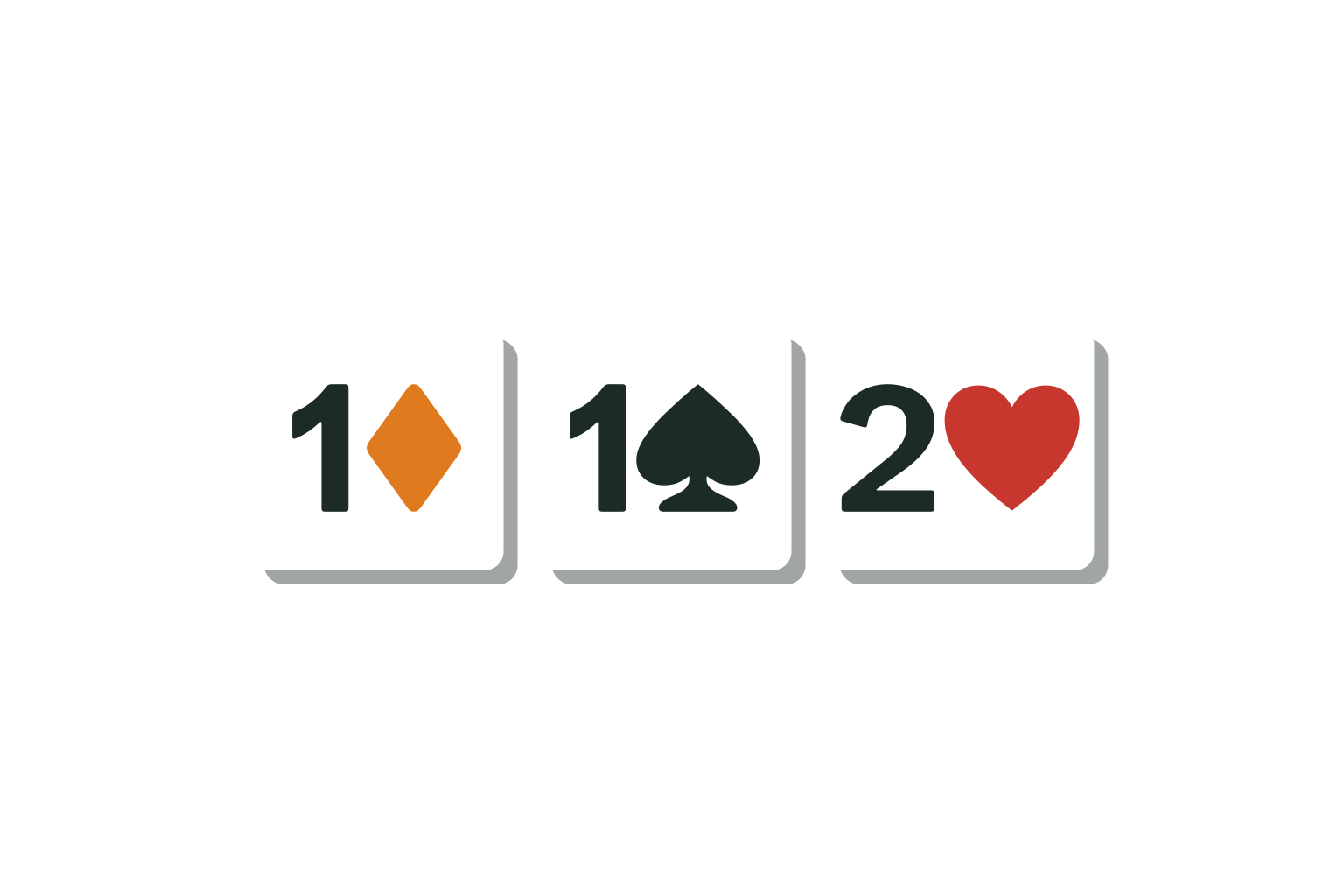
| 1♦ - 1♠ - 2♥ | Yes | Hearts rank above diamonds, two level |
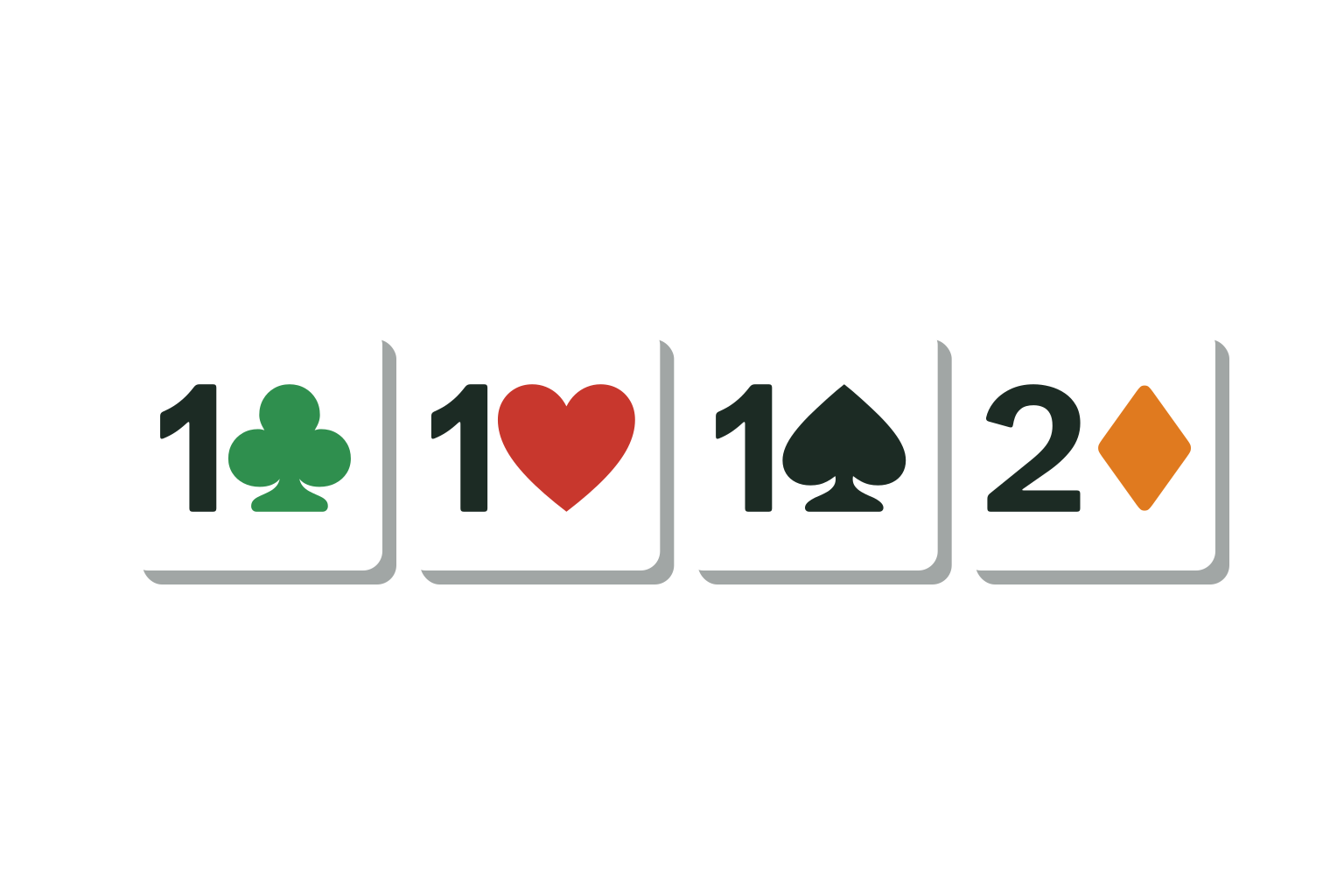
| 1♣ - 1♥ - 2♦ | Yes | Diamonds rank above clubs, two level |
| 1♥ - 1NT - 2♠ | Yes | Spades rank above hearts, two level |
| 1♦ - 1♠ - 2♣ | No | Clubs rank below diamonds |
| 1♣ - 1♥ - 1♠ | No | One level, responder can bid 2♣ |
| 1♦ - 1♥ - 2♠ | No | A jump shift, a different bid |
| 1♥ - 2♣ - 2♠ | Yes | After a two-level response: extras in standard, shape only in 2/1 |
| 1♠ - 2♥ - 3♣ | Yes | A high reverse, forcing to game |
What a reverse shows
In Standard American a reverse shows about 17 or more points and is forcing for one round, though some partnerships allow it on a good 16. A reverse also promises shape: opener's first suit is longer than the second, and typical patterns are five diamonds and four hearts, six clubs and four diamonds, or six-five.
The shape follows from the order of bidding. Holding five hearts and five diamonds, you open 1♥, the higher suit, and rebid 2♦. Five diamonds and four hearts is a different matter. You open 1♦, and the only way to show the hearts at the two level is the reverse. A minimum opening with that shape has to rebid 1NT or 2♦ instead, and the heart suit may never be shown. Most players accept that cost to keep the reverse strong.
Responder after a reverse
Responder must bid once more. A reverse is not forcing to game, so responder needs a way to show a weak hand. Partnerships differ on which rebids are weak. In a common treatment, taught in the EBU's Acol files and by many American teachers, there are three minimum rebids, and opener may pass any of them holding a bare reverse:
- 1.Rebidding responder's own suit at the two level (2♠ above), showing five or more cards and a minimum.
- 2.2NT, showing a minimum without a clear fit.
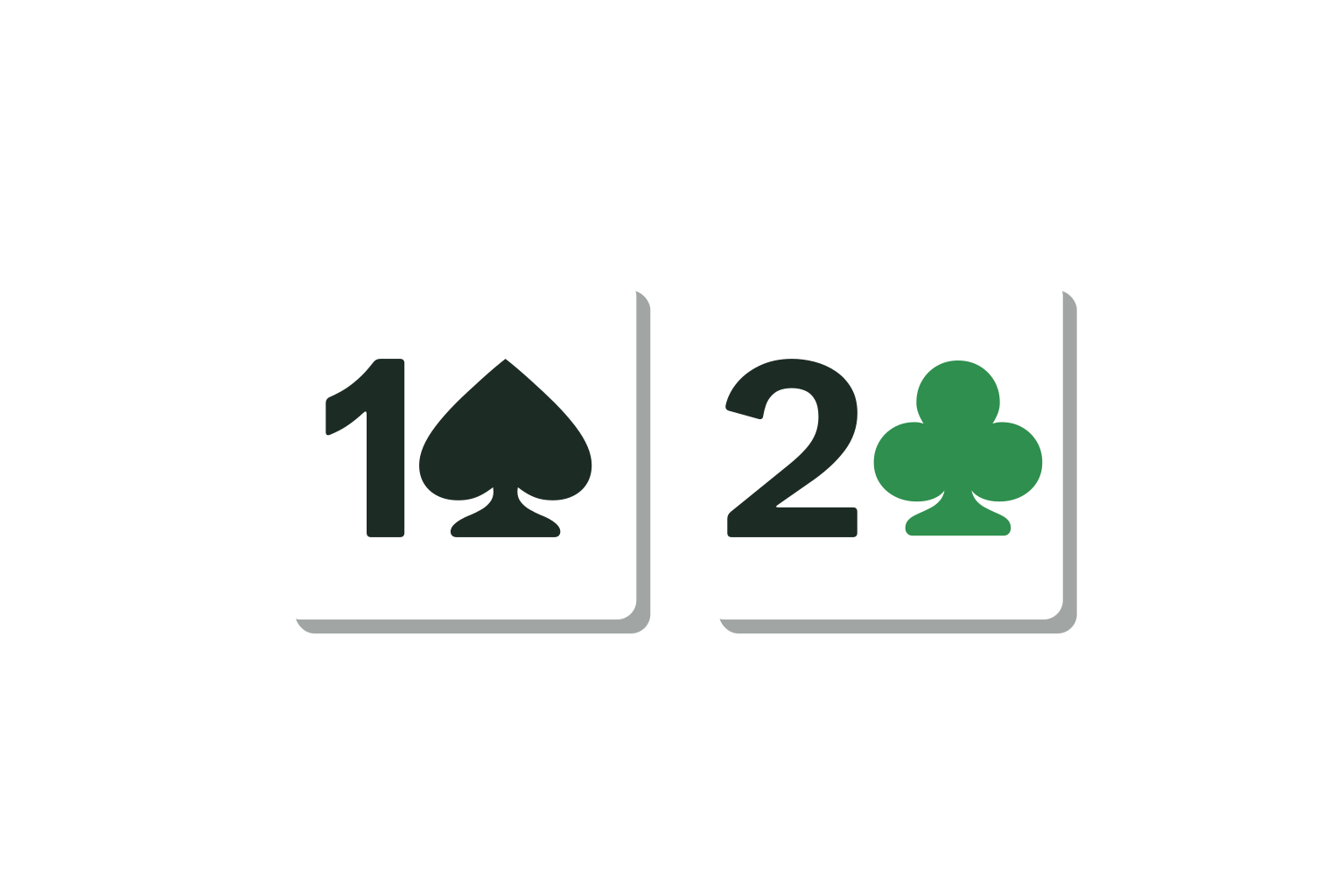
- 3.Preference to three of opener's first suit (3♦ above), showing support and a minimum.
Every other bid forces to game. That covers raising the reverse suit, bidding the fourth suit, jumping, and bidding 3NT. A responder holding 10 or more points opposite a reverse knows the partnership has at least 27 between the hands and should not stop below game. Other teachers draw the line elsewhere. Audrey Grant also treats a single raise of the reverse suit as weak, and Larry Cohen plays responder's own-suit rebid as forcing for one round and a preference to opener's first suit as game forcing, so agree the scheme with partner.
Lebensohl after a reverse
Many tournament partnerships play an artificial weakness bid instead, usually lebensohl after reverses. Responder's 2NT, or the cheaper of 2NT and the fourth suit, asks opener to bid 3♣. Responder passes or signs off with a weak hand, and every other bid is forcing to game. The structure takes its name from lebensohl over interference, which uses 2NT in the same way. An older method, Ingberman, named after Monroe Ingberman, also makes 2NT the weak relay. There opener usually answers by repeating the first minor.
Example deal
Now give North the same shape with 13 points. Over 1♠ North rebids 2♦ instead of 2♥. South, holding 9 points, would pass or invite with 2NT, and the partnership would stay low.
Common mistakes and judgment
- Reversing with a minimum. A 13-count with five diamonds and four hearts rebids 1NT or 2♦ over 1♠. Partner will play you for 17.
- Reversing with equal length. Holding four diamonds and four hearts, open 1♦ and rebid 1NT or raise partner. A reverse shows the first suit longer.
- Passing a reverse. It is forcing for one round. Even with 6 points, responder bids again.
- Opening 1♦ with four diamonds, five clubs and a minimum. Some players do it to have an easy 2♣ rebid. It works, but agree it with partner, because it changes what 1♦ promises.
- Using the reverse to show a strong balanced hand. Jump to 2NT with 18 to 19 balanced points, since a reverse promises shape.
Reverses in other systems
In Acol the principle is the same, but the threshold is usually a little lower, often 16 points. After a two-level response, which in Acol promises about 9 or more points, some players reverse with a little less. In two over one, a reverse after a game forcing 2♣ or 2♦ response shows shape only, since the partnership is already in a game force. To practice the rebids, try the reverses practice round. For deciding whether a hand is worth 17, see hand evaluation.
Common questions
Short answers to what readers ask most.
- What is a reverse in bridge bidding?
- Opener reverses by naming a second suit, above the first one, with a two-level rebid that is not a jump. An example is 1♦ - 1♠ - 2♥. It shows extra strength and a first suit longer than the second.
- How many points do you need to reverse?
- Standard American players want around 17, though some will reverse with a good 16. In Acol the minimum is usually about 16.
- Is a reverse forcing?
- Yes, for one round. Responder must bid again, but responder can show a minimum with a weak rebid, and the partnership can stop below game.
- Is 1♣ - 1♥ - 1♠ a reverse?
- No. Spades rank above clubs, but the bid is at the one level, so responder can still return to clubs at the two level.
- What does responder bid with a weak hand after a reverse?
- In the common treatment, rebid a five-card suit at the two level, bid 2NT, or give preference to three of opener's first suit. Partnerships playing lebensohl after reverses use 2NT as an artificial weak relay instead.
Practice: reverses
Eight quick questions on what you just read. For a longer session, bid a hundred hands or take the hundred-question quiz.