 Conventions
Splinter Bids
Splinter bids are double jumps in a new suit that agree partner's suit, promise enough strength for game and show a singleton or void in the suit bid. Once partner knows where your shortness is, they can tell whether their honors will pull their weight and whether a slam is worth trying.
How splinter bids work
A splinter is a double jump in a new suit, one level higher than a jump shift. The jump shift already takes the single jump, and the double jump has little natural use, so it can be given a precise meaning. Over a major opening, a splinter by responder promises:
- four or more cards in opener's major,
- game-forcing values, typically about 12 to 15 points counting the shortness,
- a singleton or void in the suit bid.
Over 1♥, the jump to 2♠ is a jump shift, so 3♠ is the splinter. Over 1♠, the jump shift in hearts is 3♥, so the heart splinter is 4♥. That bid is the one some partnerships give up, keeping 1♠ - 4♥ as a natural hand that wants to play in hearts. Agree which you play.
How opener evaluates a splinter
After a splinter, the decision is opener's, and it depends on how many of opener's points sit in the short suit.
- 1.Small cards opposite the shortness are ideal. They will be ruffed, and every honor opener holds is working in the other three suits.
- 2.The ace opposite the shortness is fine. It still takes a trick and stops the opponents cashing the suit.
- 3.King, queen and jack opposite the shortness are mostly wasted. Opposite a singleton diamond, ♦KQJ is six points that take no more tricks than three small diamonds, which could be ruffed.
A useful habit is to recount your hand without the honors in partner's short suit, other than the ace. If what remains is still a sound opening, slam is likely. If it is not, sign off in four of the major, even with a strong hand on paper.
Two opening hands, one splinter
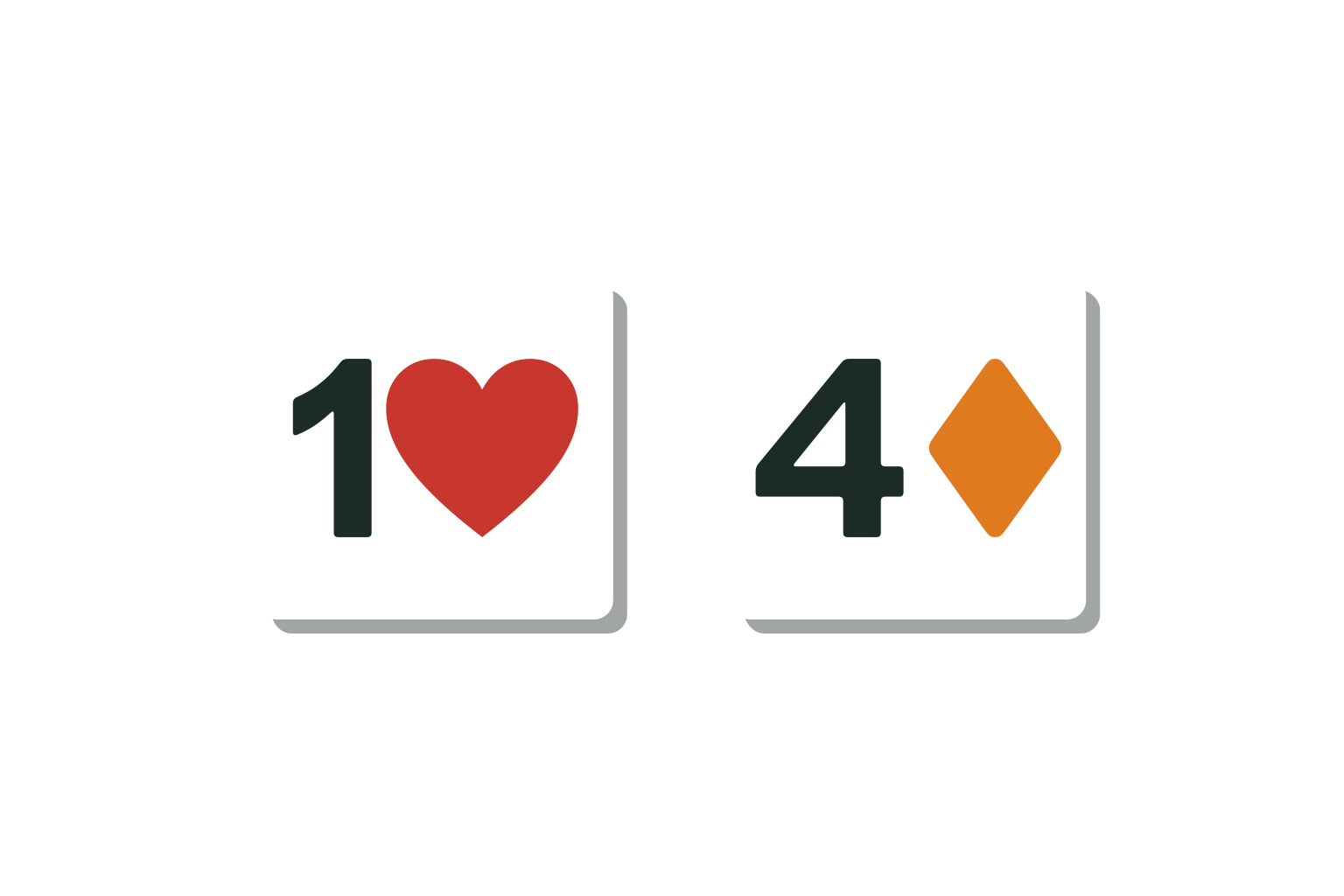
South holds the same hand in both deals and splinters with 4♦ over 1♠: 12 HCP, four spades, a singleton diamond and a good club suit.
When to splinter, and when not to
- Do splinter with four-card support, game values and a singleton or void, when slam is possible opposite the right opening.
- Do not splinter with three trumps. The bid promises four. Holding three, bid a new suit and support later.
- Be careful with a singleton ace or king. Many players avoid splintering with a singleton honor, because partner will treat any honors opposite it as wasted and the ace or king as absent.
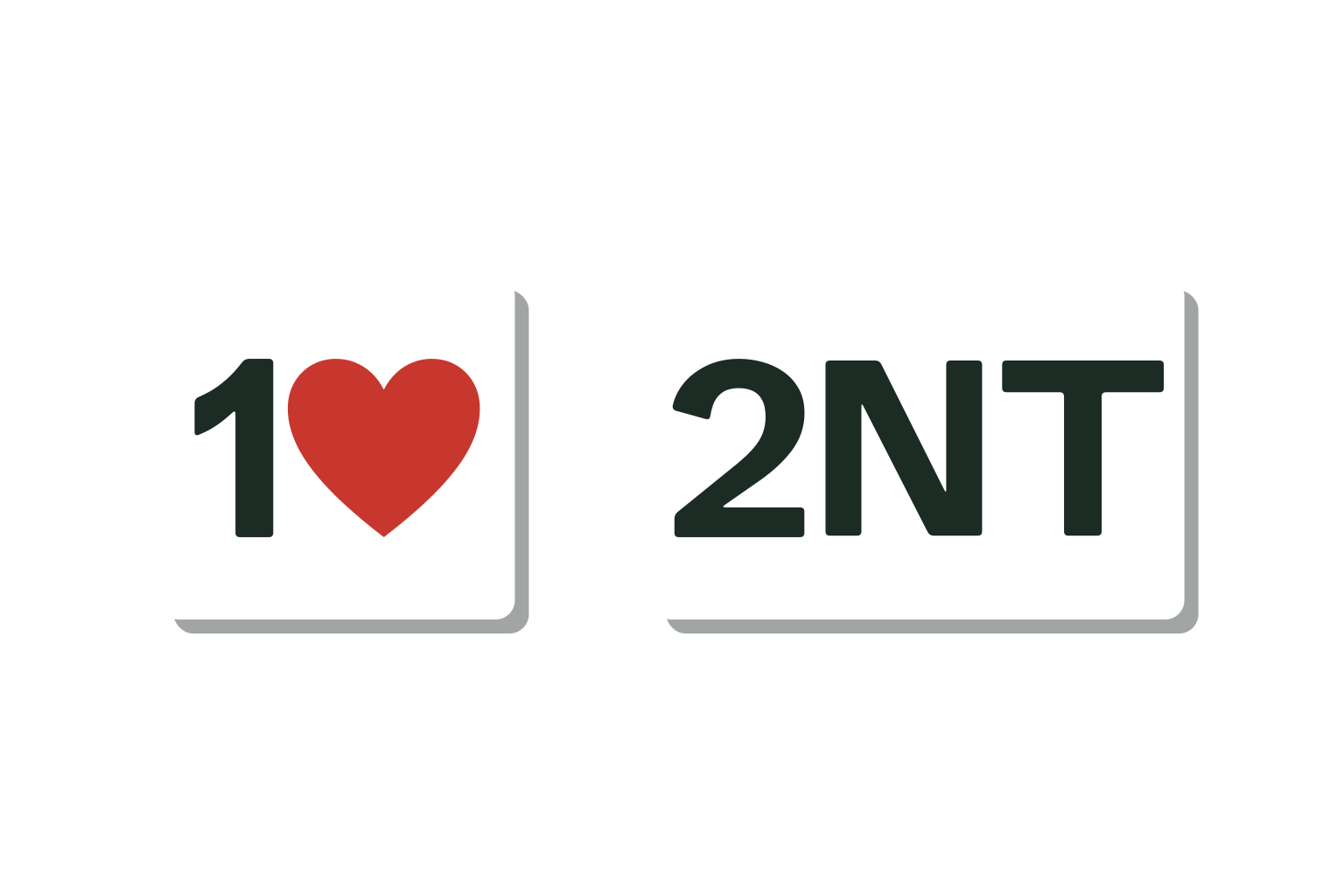
- Do not splinter with a much stronger hand. A splinter is a limited bid. A hand of 16 or more points should start with Jacoby 2NT and show the shortness later.
- Choose the right raise for weaker hands. Holding four trumps without game values, choose a lower raise that fits your strength, such as a single raise or a limit raise, or use Bergen raises.
Opener can splinter too
The same idea works for opener. After 1♥ - 1♠, a jump to 4♣ (a double jump, since 3♣ would be a jump shift) agrees spades with four-card support, shows a singleton or void in clubs, and a hand strong enough to insist on game. Most partnerships treat any double jump in a new suit below game as a splinter.
Variations
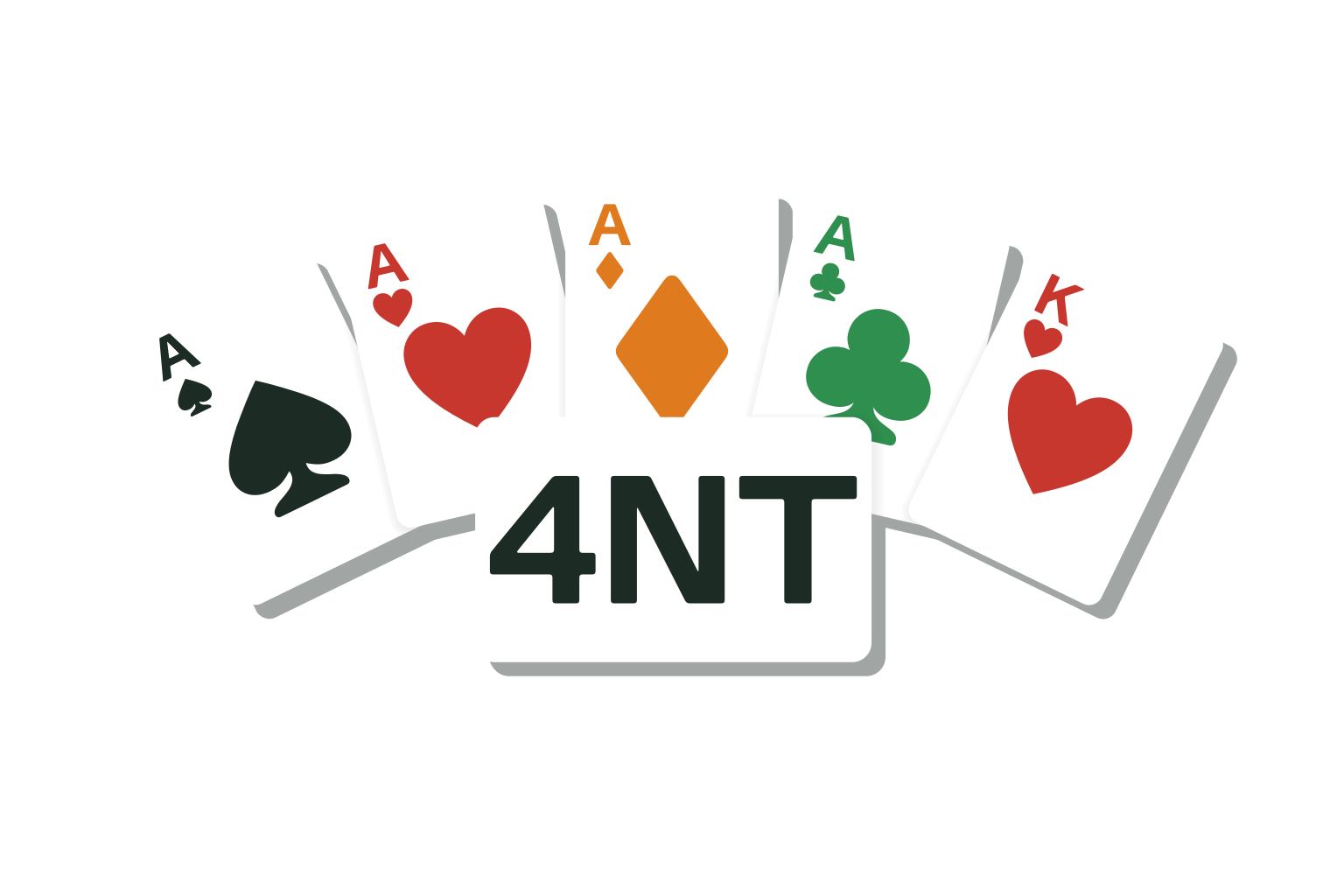
Some partnerships narrow the splinter range, for example 10 to 13 points, and send stronger hands through Jacoby 2NT. Others add mini-splinters, single jumps that show shortness with invitational values, at the cost of the jump shift. Splinters also exist over minor openings, though they are rarer, because the target is usually 3NT. After a splinter, slam auctions usually continue with cue bids and Roman Key Card Blackwood; plain Blackwood works too when no void is involved.
The splinter tree
The tree below shows the splinter structure over both majors, with opener's sign-off, cue bids and key card ask.
Loading the convention from the library.
Common questions
Short answers to what readers ask most.
- What is a splinter bid in bridge?
- It is an unusual double jump, such as 1♠ - 4♣, that sets partner's suit as trumps with at least four-card support, forces to game and says the bid suit holds one card or none. It helps partner judge slam by how well the hands fit.
- How many points do you need to splinter?
- Responder's splinter typically shows about 12 to 15 points counting the shortness, enough for game but not so much that a stronger raise is better. Partnerships set their own range.
- What does 1 heart - 3 spades mean?
- With splinters, 1♥ - 3♠ shows four or more hearts, game-forcing values and a singleton or void in spades. The jump to 2♠ would be a jump shift, so 3♠ is the double jump.
- How should opener respond to a splinter?
- Opener discounts any king, queen or jack in the short suit and judges the rest. If values are wasted or the opening is a minimum, opener signs off in four of the major. Otherwise opener cue-bids or asks for key cards.
- Can you splinter with a void?
- Yes. A splinter shows a singleton or void. If partner later asks for key cards, a void needs care, since an ace opposite it is wasted.
Practice: splinter bids
Eight quick questions on what you just read. For a longer session, bid a hundred hands or take the hundred-question quiz.