Opener's Second Bid
Opener's second bid tells partner more about the hand that opened. It shows whether the opening is a minimum, a medium or a strong one, and whether the hand is balanced or has a long suit. That picture lets responder judge how high the partnership should bid and in which suit.
How strong is your hand?
An opening of one of a suit covers a wide range, from a bare 12 points up to about 21. That is too wide for partner to plan with, so your second bid narrows it down. Players split the range into three bands.
A minimum hand makes the cheapest sensible bid. A medium hand often jumps one level higher than it needs to. A strong hand jumps to game, or makes a bid partner cannot pass. Partner adds the band you show to the points in their own hand, and from that total the partnership can tell whether game is in reach.
Balanced hands work a little differently, because one size of them already has its own opening. A balanced 15 to 17 opens 1NT and a balanced 20 to 21 opens 2NT, so a balanced hand that opened one of a suit is either 12 to 14 or 18 to 19.
What shape is your hand?
Within each band, pick the bid that best shows your shape. Go down this list and stop at the first one that fits.
- 1.Raise partner's major when you hold four cards in it. A response of 1♥ or 1♠ promises four, so you have found an eight-card fit and should say so at once.
- 2.Bid a new suit at the one level if you can. After 1♣ - 1♥ you can show four spades with 1♠, and it costs no space.
- 3.Rebid notrump with a balanced hand: 1NT with 12 to 14, a jump to 2NT with 18 to 19.
- 4.Rebid your own suit when it has six cards. Two of it is a minimum, a jump to three is medium.
- 5.Bid a second suit lower than your first at the two level, such as 1♥ - 1♠ - 2♣. It shows four or more cards there and anything from 12 to 18 points.
| Rebid | Shape | Points |
|---|---|---|
| 1NT | Balanced, fewer than four spades | 12 to 14 |
| 2♣ | Diamonds and four or more clubs | 12 to 18 |
| 2♦ | Six diamonds | 12 to 15 |
| 2♠ | Four spades | 12 to 15 |
| 2NT | Balanced, fewer than four spades | 18 to 19 |
| 3♦ | Six good diamonds | 16 to 18 |
| 3♠ | Four spades | 16 to 18 |
| 4♠ | Four spades | 19 to 21 |
If you open 1♦ and later bid 2♥, partner must go to the three level to return to your first suit. That bid is called a reverse. A new suit at the two level that ranks higher than your first suit shows a medium or strong hand, 16 points or more, with more cards in the first suit than in the second. Some teachers ask for 17 or more. Partner must bid again after a reverse. With a minimum and that shape, rebid your first suit or bid notrump instead.
When to jump
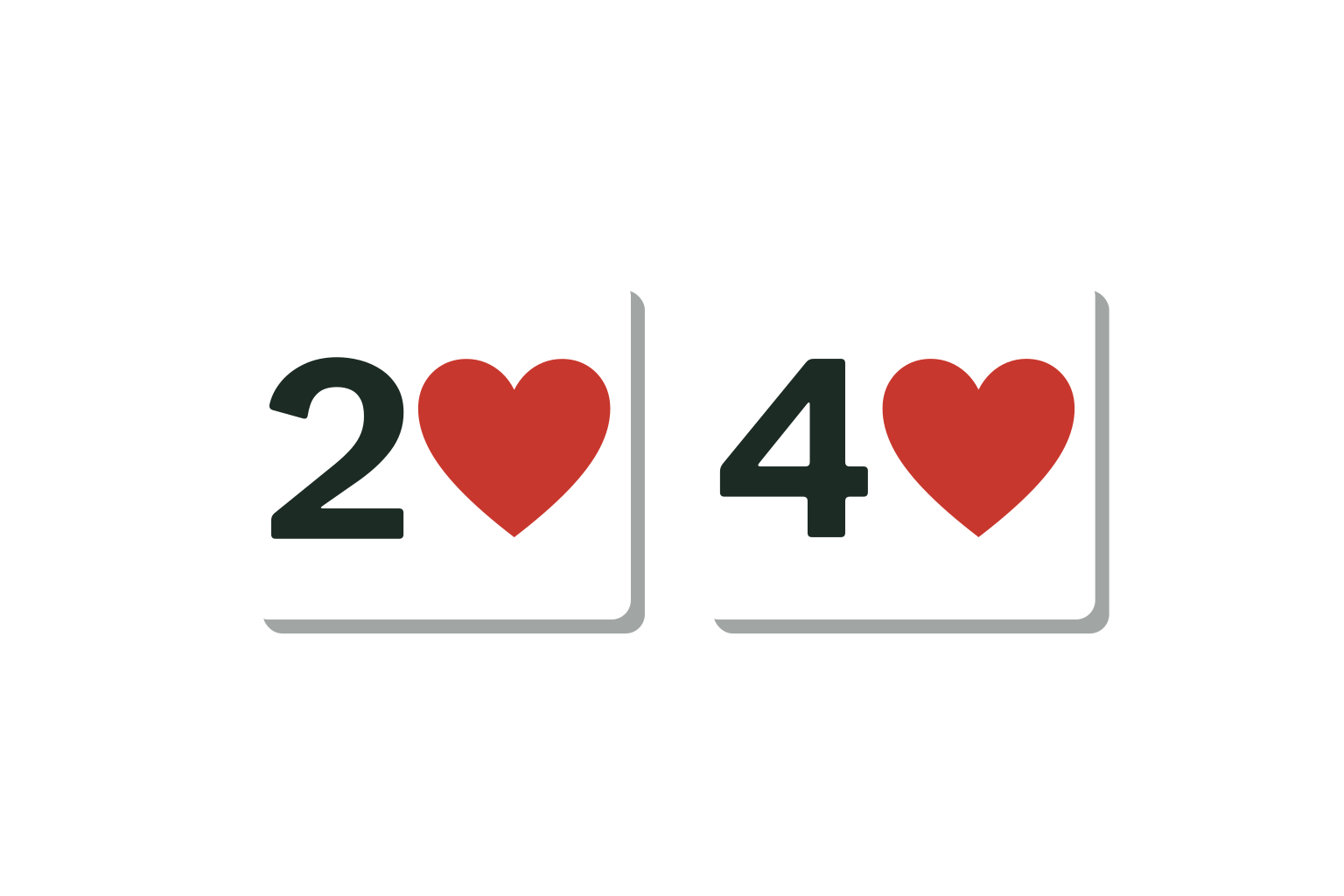
A jump in a suit that you or partner have already bid is not forcing. It tells partner you are medium and leaves the decision to them. Jump raise partner's suit (1♦ - 1♠ - 3♠) with four trumps and 16 to 18, jump in your own suit (1♥ - 1♠ - 3♥) with a good six-card suit and 16 to 18, and jump straight to game in partner's major with four trumps and 19 to 21.
A jump in a brand new suit is different. It shows a strong hand of 19 to 21 and forces partner to keep bidding until game is reached. It does not come up often.
Watch it in a deal
You are South and North opens. Watch how North's rebid tells you whether to bid game.
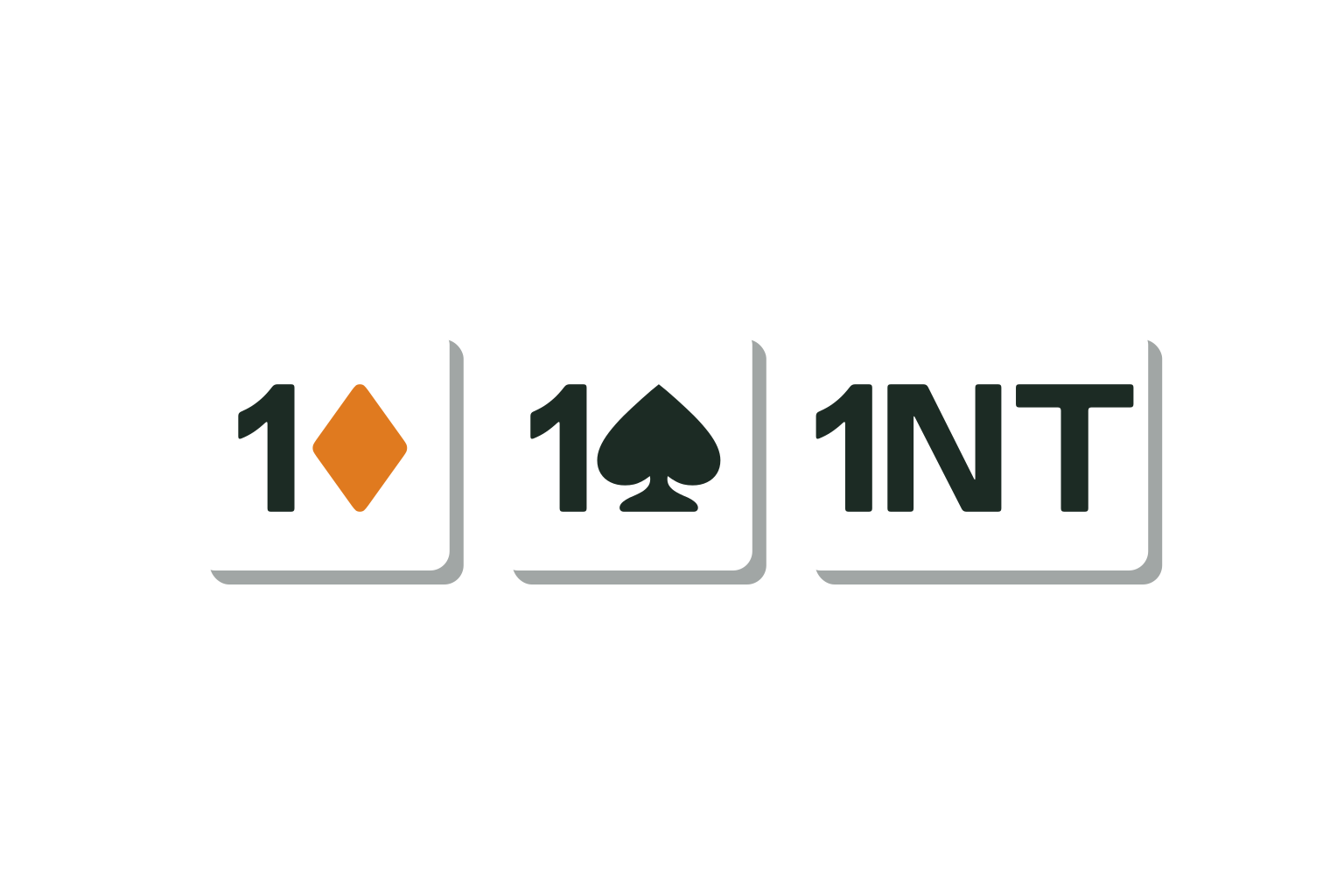
North opens 1♦ and you respond 1♠ with 10 points. North holds 17 points and four spades, a medium hand with a fit, so the rebid is a jump raise to 3♠. You add your 10 to North's 16 to 18 and reach at least 26, enough for game, so you bid 4♠. West leads the ♥K.
A habit for your second bid
Before you make your rebid, place your hand in one of the three bands, then go down the list of shapes until one fits. Partner hears both pieces from one bid, and once they know your size and shape, the decisions from here on belong to them, which is the subject of the next lesson on responder's second bid.
For more on judging the strength of a hand beyond its points, see hand evaluation, and for the whole system on one page, the bridge bidding cheat sheet.
Practice: opener's second bid
Eight quick questions on what you just read.