Card play
The Endplay
In a bridge endplay, declarer deliberately hands the lead to a defender who has nothing safe left to play. Whatever the defender leads then costs their side a trick, so a contract that would rest on a guess or a finesse can become a sure thing. Endplays usually come late in the hand, after declarer has taken away the defender's safe cards.
How an endplay works
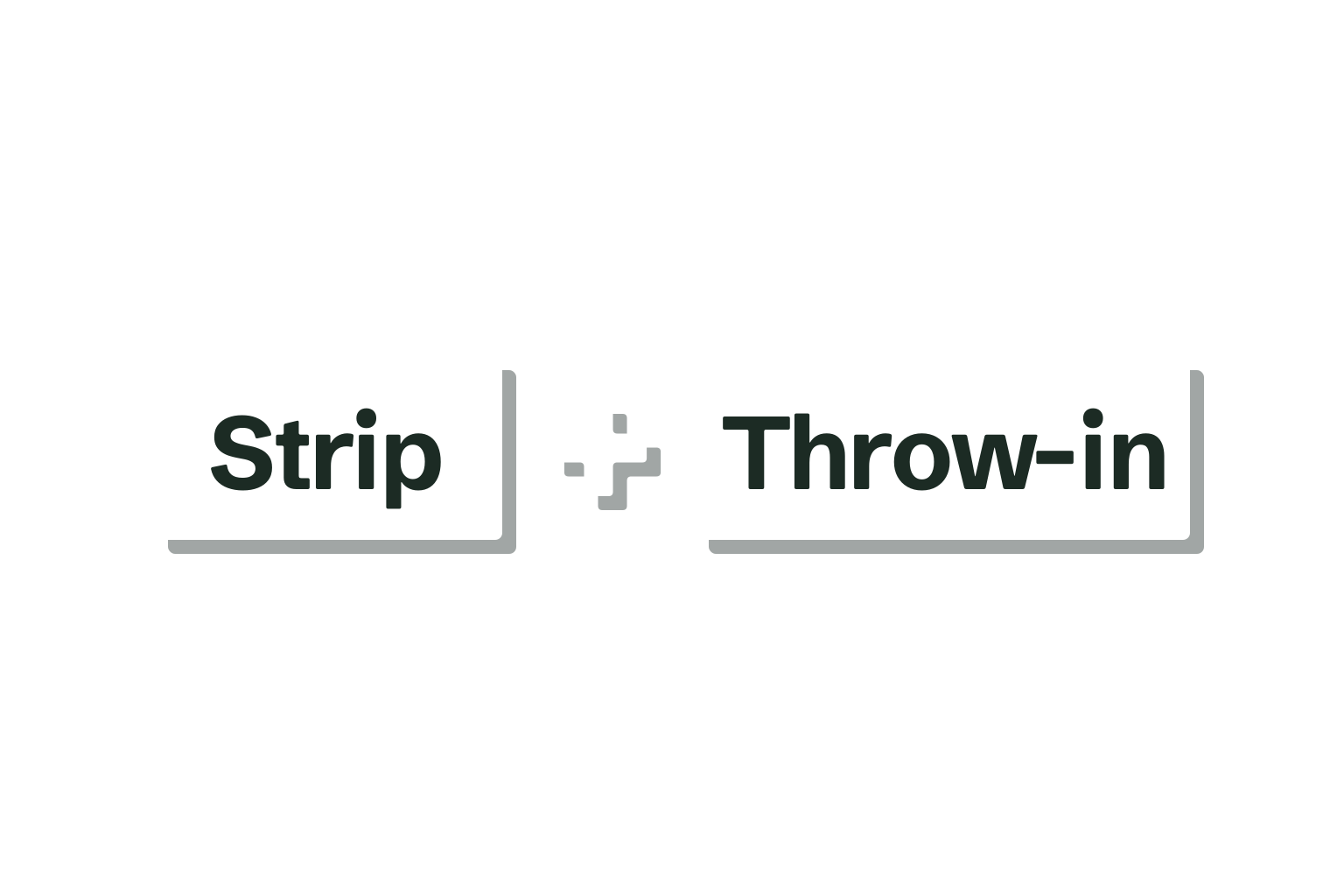
Every endplay has two stages. First you strip the hand, removing the cards a defender could safely lead by cashing or ruffing out the suits where a lead would cost you nothing. Then you throw in a defender, giving up a trick you were always going to lose, at a moment when that defender has only bad cards left to lead. The trick you lose is called the throw-in. The defender's forced lead then gives you a trick back.
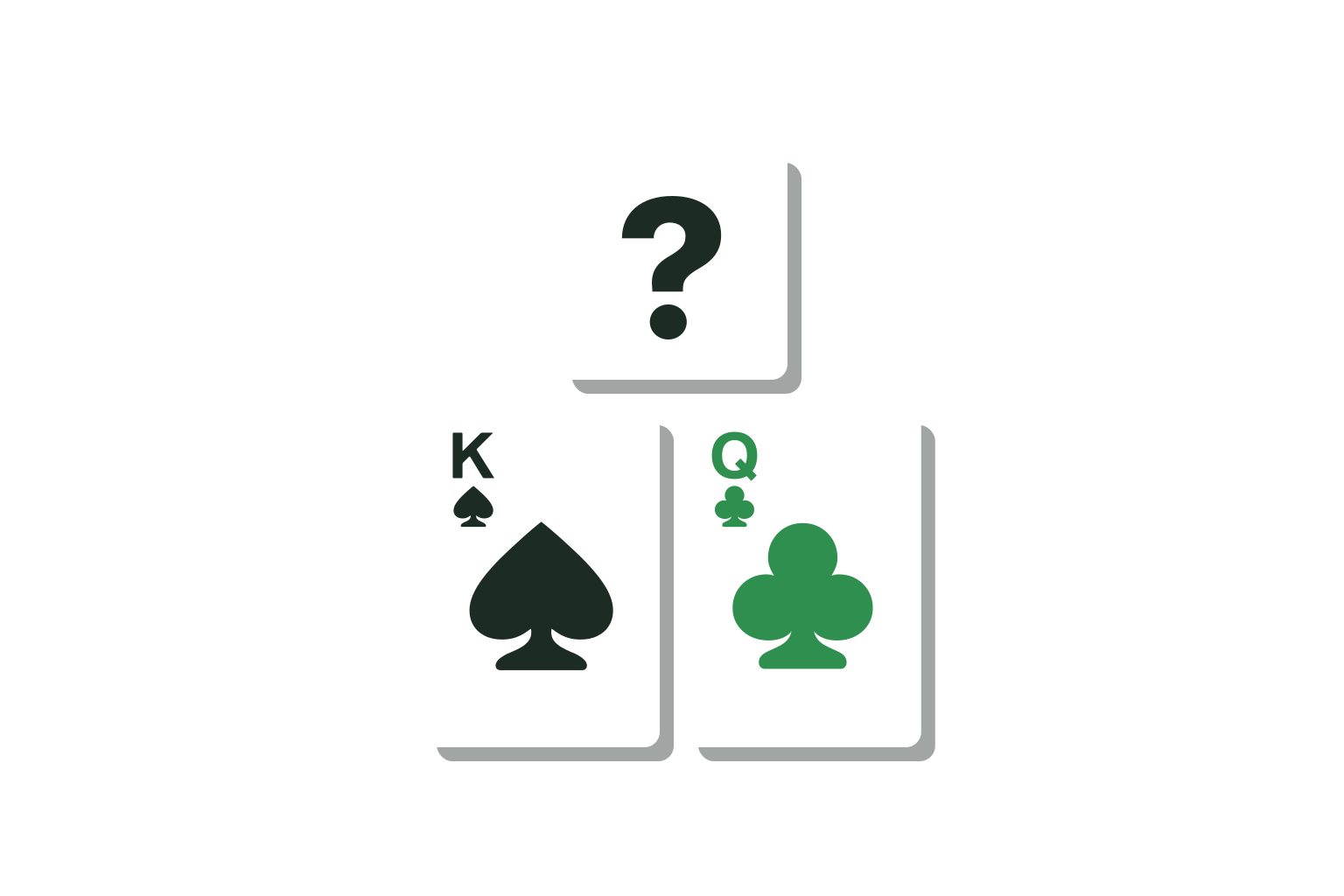
The classic target is an AQ tenace. Opposite small cards, with the king offside, the finesse loses. But if the defender with the king has to lead the suit, the AQ scores two tricks without a finesse. The same applies to KJx opposite xxx, AJ10 opposite xxx and any holding where a lead from the other side is worth a trick.
Elimination play and the ruff and sluff
In a suit contract, endplays come from elimination play. Draw trumps but keep at least one trump in each hand. Then eliminate the side suits that a defender could safely lead. Cash their winners and ruff the rest, until neither declarer nor dummy has a card left in them. Now if a defender leads one of those suits, you ruff in one hand and discard a loser from the other. That gift is a ruff and sluff (or ruff and discard), and defenders try hard not to give one.
So after a full elimination, a defender who wins the throw-in can give you a ruff and sluff or lead the suit you wanted led. Either way you gain a trick. This is why you keep a trump in both hands, because if only one hand has trumps a ruff and sluff gives you nothing.
In notrump there is no ruff and sluff, so a notrump endplay needs the defender to run out of safe cards on their own. It usually comes at the end of the hand, after the defender has cashed winners and is left only with cards in your tenace suits. Often a squeeze comes first and forces the discards that leave the defender ready to be thrown in.
How to recognize an endplay
Look for an endplay whenever one of these appears in the planning stage.
- A finesse you would rather not take, especially an AQ or KJ tenace where a lead from the other side gives you the trick for free.
- A two-way guess, such as K10x opposite Q9x. If the defenders have to open the suit, you never guess.
- A side suit with a certain loser that can serve as the throw-in, such as three small opposite two small, or the third round of a suit where only one defender can win.
- Trumps to spare in both hands. Holding nine or more trumps, you can usually draw trumps and still ruff the side suits out of both hands.
- A defender who has shown length in the auction or on the opening lead. That defender is likely to win the throw-in, and you know which suits are left in that hand.
Timing the throw-in
Draw trumps first if a defender could ruff one of your eliminations. Strip the side suits completely, using trump entries to get back and forth. Only then lose the throw-in trick, and lose it to the right defender. Choose a suit where the defender you want on lead must win, or where it does not matter which one wins.
An endplay that fails usually leaves you with the finesse you would have taken anyway, as long as you have not given it up while stripping. An elimination line that keeps the finesse in reserve costs nothing over a straight finesse, which makes it a kind of safety play.
A full endplay deal
Declarer has eleven tricks and two possible losers, the third round of diamonds and the ♣K. The club finesse would fail. Instead, declarer arranges for a defender to lead clubs.
- 1.Win the ♥A. Play the ♠3 to the ♠A and the ♠7 to the ♠K. Both defenders' trumps are gone.
- 2.Cash the ♥K and ruff a heart in hand. Return to dummy with the ♠9 to the ♠Q and ruff dummy's last heart. Hearts are now eliminated from both hands, and each hand still holds a trump.
- 3.Cash the ♦A and ♦K. West follows twice and has no diamonds left.
- 4.Exit with the ♦5. East has to win it.
If East leads a club, dummy's ♣Q wins and the ♣A takes the other club. If East leads a diamond, South ruffs with the ♠J and dummy throws the ♣Q. Then a club to the ♣A and dummy's last trump take the last two tricks, for twelve tricks without the finesse. Had West held ♦Qxx and won the third round, West would have faced the same choice, and a club from West still leaves declarer the chance of the finesse, so the elimination costs nothing.
Common mistakes
- Using up all the trumps in one hand. Without a trump in both hands, a ruff and sluff gives you nothing and the defender exits safely.
- Throwing in before the strip is complete. One safe exit card left in the defender's hand ruins the endplay.
- Taking the finesse first. Once it has lost, there is nothing left to endplay. Strip first, and the finesse stays available.
- Throwing in the wrong defender. Pick a throw-in suit where the defender you want must win the trick.
- Forgetting to count. In notrump especially, you need to know which cards the defender has left before you throw them in.
Endplays and finesses are two ways of making a tenace score. For the single-suit side of the problem, see the suit combinations guide, and to test yourself, take the hundred-question quiz.
Common questions
Short answers to what readers ask most.
- What is an endplay in bridge?
- An endplay is a position in which a defender is put on lead when every card in that hand gives declarer a trick. Declarer prepares it by removing the defender's safe exit cards, then throws the defender in with a trick declarer was going to lose anyway.
- What is a strip and throw-in?
- It is the standard form of endplay. Declarer strips the safe suits from the defender's hand by cashing and ruffing them, then throws the defender in. The defender must lead into declarer's tenace or give a ruff and sluff.
- What is a ruff and sluff?
- A ruff and sluff happens when a defender leads a suit that both declarer and dummy are void in. Declarer ruffs in one hand and discards a loser from the other, gaining a trick.
- What is elimination play?
- Elimination play is the preparation for an endplay in a suit contract: drawing trumps while keeping a trump in each hand, and cashing or ruffing the side suits until declarer and dummy are both void in them.
- Can you endplay a defender in notrump?
- Yes, but without a ruff and sluff the defender must run out of safe cards on their own, usually after cashing winners or being squeezed. It needs a careful count of the defender's remaining cards.
Practice: the endplay
Eight quick questions on what you just read. For a longer session, take the hundred-question quiz.