 Card play
The Limits of Double Dummy Analysis
A double dummy table looks like the final word on a deal, and for the cards as they lay it is exact. Yet no player at the table could see those cards. Knowing where a solver's view of the game differs from a player's helps you decide when a double dummy result answers your question and when it only seems to.
What the solver knows that a player does not
At the table declarer sees twenty-six cards, their own and dummy's, and each defender sees their own hand and dummy. Everything else is worked out from the bidding, the cards played so far and the odds. A double dummy analysis skips all of that. It plays perfect bridge in a version of the game where every card is face up, a game nobody plays at the table.
Most of the time the two games agree. The places where they part ways are guesses, the opening lead, deception, plays that gather information, and the bidding.
Declarer never misguesses
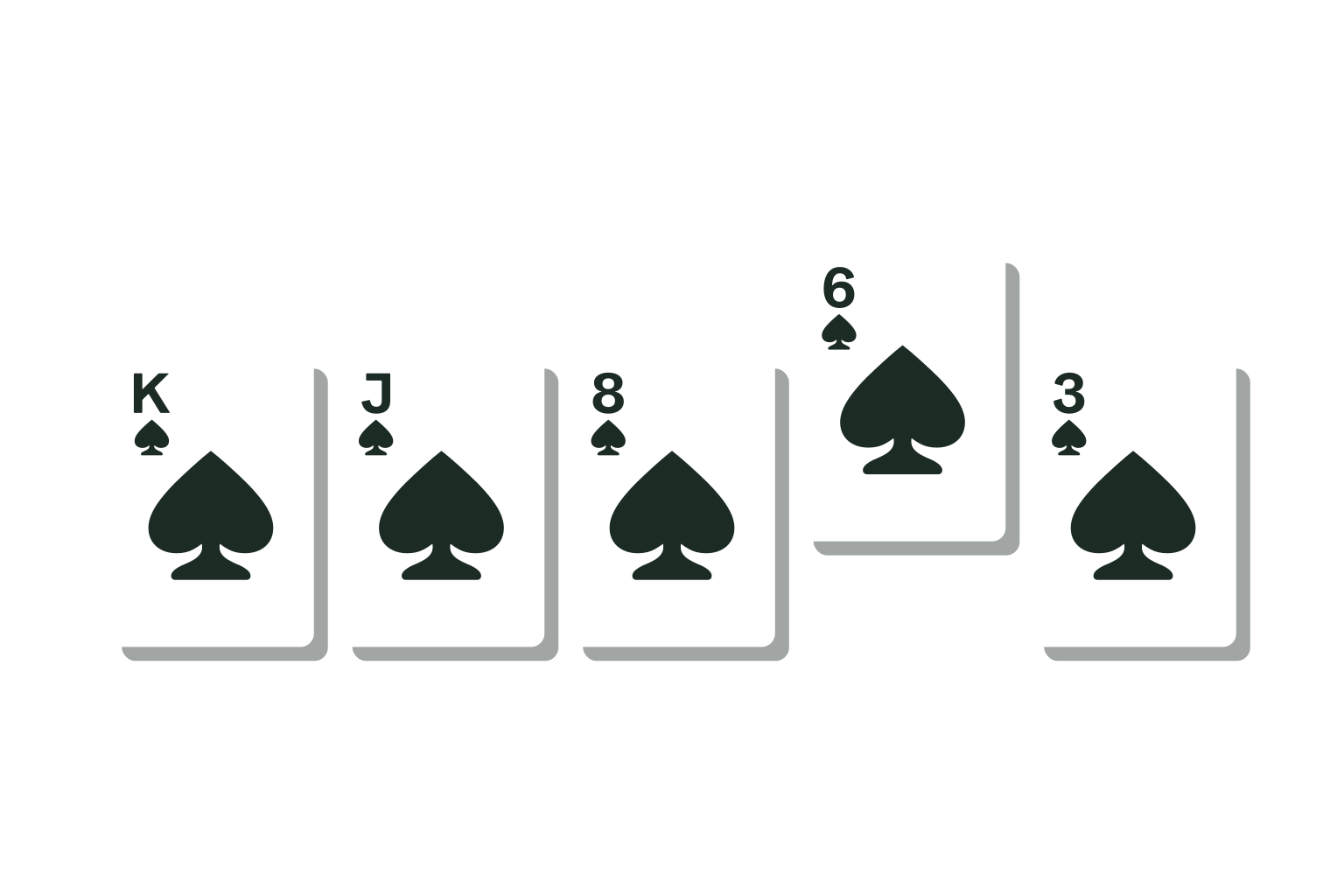
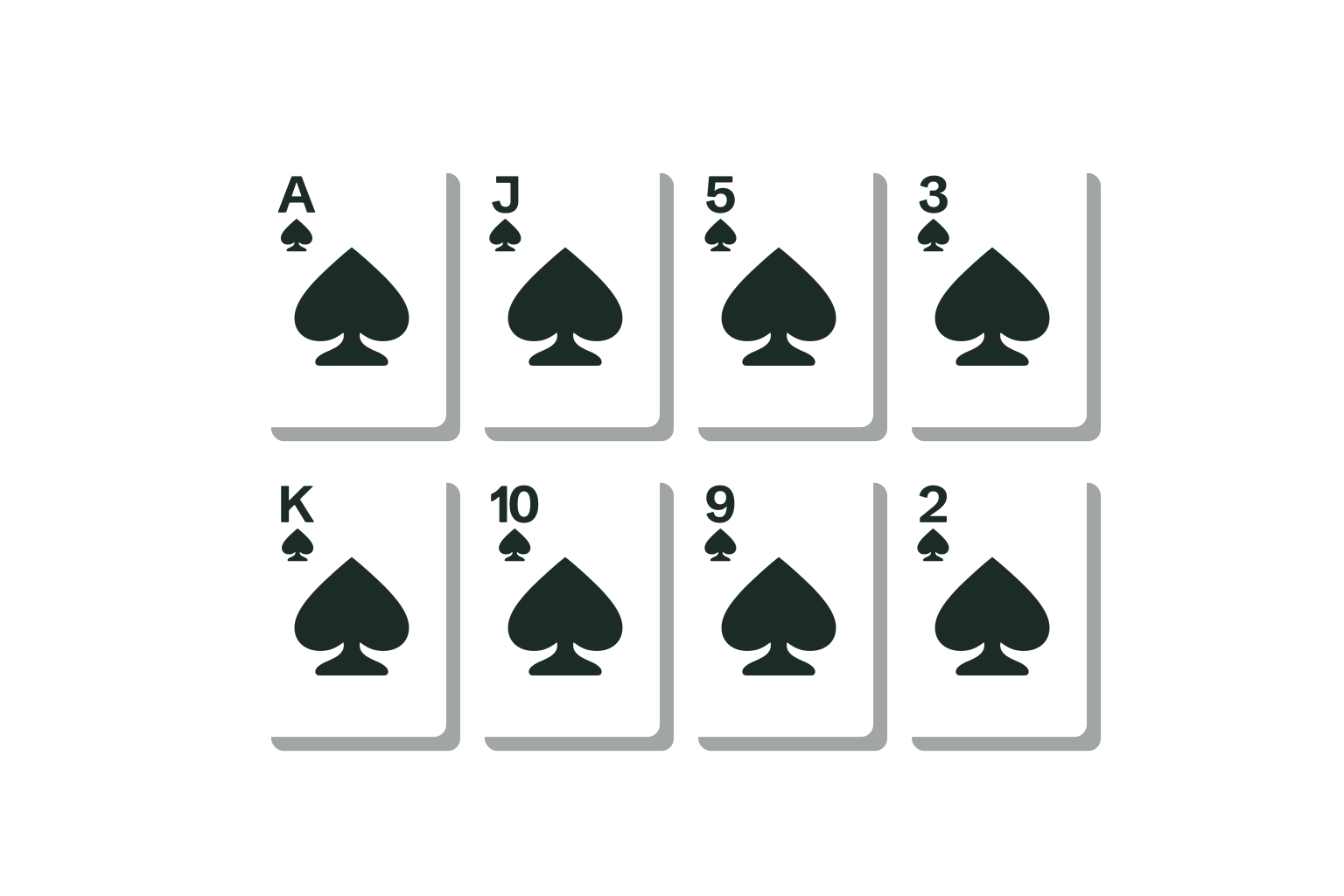
Take AJ53 opposite K1092 with the queen missing. A real declarer has to choose which defender to finesse, and nothing in the suit itself gives a clue. The solver plays the queen's owner for it every time. The same is true of every two-way guess, every choice between a finesse and a drop, and every decision about which suit to try first.
As Richard Pavlicek put it, double dummy play means nobody misguesses. Ideas that help a real player choose well, such as playing the odds of a suit break or the principle of restricted choice, have no use for a program that already sees the cards.
The opening lead is always right
The opening leader sees thirteen cards, and dummy is still face down. It is the most blind decision in the play, and it is the one double dummy analysis treats most kindly, because on every layout the solver's leader picks the best card for that exact layout.
We measured what that is worth with the pool of lead problems behind the BridgeTricks Lead Trainer: 1,998 hands, each dealt a thousand times with the other three hands made to fit the auction, and every possible lead solved double dummy on every layout. For each hand we compared two defenders. The first leads the best card for each layout, as double dummy analysis assumes. The second has to choose one lead in advance and picks the lead with the best record over all thousand layouts, which is the most any real player could do.
| Contract | Hands | Perfect lead | Best single lead | Tricks the perfect lead adds |
|---|---|---|---|---|
| 3NT (eight auctions) | 1,598 | 17.8% | 13.2% | 0.33 |
| 4♥ | 200 | 6.5% | 5.1% | 0.23 |
| 6NT | 200 | 6.8% | 6.0% | 0.03 |
| All hands | 1,998 | 15.6% | 11.6% | 0.29 |
Against 3NT, about one contract in four that the solver beats goes down only because the leader found a card they could not have known to choose. Against 6NT the gap almost disappears, because on most of those hands one lead was best on nearly every layout.
Real play shows the same thing from the other side. Pavlicek compared 79,942 contracts from top-level vugraph matches played between 1996 and 2014 with the double dummy result on the same deals. Real declarers made 64.4% of their contracts, while double dummy predicted 62.0%, and the gap was widest in notrump (68.9% against 64.0%). When he started the double dummy count after the lead actually made, the picture reversed. From the second trick on, the solver made 67.8% of those contracts, more than the experts did. Declarers gain from imperfect leads and give some of it back in the play.
Nobody is ever fooled
Deception is worth nothing double dummy. A falsecard cannot mislead the solver, a smooth duck tells it nothing, and a declarer cannot persuade a defender that a suit is solid when it is not.
Real declarers often choose a line because it sets the defenders a problem they can only solve by seeing the cards. Matthew Ginsberg made this point about his program GIB. Judging play by whether the contract stayed makeable double dummy gives no credit to a declarer who gives the defense a chance to go wrong.
Plays that gather information
Some of the best plays in bridge exist only because cards are hidden. A discovery play cashes a side suit to learn the shape before a guess. A safety play gives up a possible overtrick to guard against a bad break. Double dummy analysis gives neither any value. The solver already knows the shape, and it never needs insurance against a break it can see.
The flaw grows when a program tries to play real bridge by dealing many layouts that fit what it knows and solving each one double dummy, the method GIB used. Ian Frank and David Basin named the problem in 1998. On each layout the solver picks the line that suits that layout, so the average credits declarer with a plan that changes with cards declarer cannot see. Researchers call this strategy fusion. Ginsberg showed that such a program never chooses to gather information, because it assumes the information will be there anyway when the next decision comes.
The bidding is not part of it
A solved deal ignores the auction. Players draw inferences from every bid and from every bid that was not made, and a good declarer places the missing honors from them. The solver has no use for any of it, and it cannot tell whether a bid gave away too much to the opponents.
In a simulation the auction comes back in another form, through the rules used to deal the hidden hands, and the answer depends on those rules. We saw this when Pavlicek and BridgeTricks studied the same lead problem, a singleton diamond against a low spade after 1NT - 3NT, and came to different verdicts. Both margins were about a tenth of an IMP per board or less. The two solvers agreed on every deal we checked. The difference came from the hands each simulation let the 3NT bidder hold. His 3NT bidder raised to game on some hands with eight or nine points and a long suit that ours never dealt. On the deals both models allowed, his trick counts gave the same verdict as ours.
Why double dummy figures still work for statistics
On a single deal the solver's result can be far from what a good player would score. Over thousands of deals much of the error cancels, because both sides benefit from seeing the cards. In Pavlicek's vugraph data the averages were close, 9.28 tricks per contract in real play against 9.21 double dummy, and he concluded that analyses based on double dummy play should generally be on track. That is why simulations, lead studies and tests of rules like the law of total tricks are built on double dummy results.
The error is not the same everywhere. In the same data real declarers beat the double dummy figure most at low levels and in notrump, where imperfect leads are worth the most. Slams went the other way: grand slams made 64.3% of the time in real play against 70.3% double dummy. So when a simulation gives a grand slam a 70% chance, expect it to make less often at the table.
Using double dummy results sensibly
- Read the table for one deal as a record of what the cards allowed. A player who could not see the cards may never have found that line.
- When your result differs, ask whether the winning line was findable. Did it need a two-way guess, a lucky lead or a read of a falsecard?
- Trust averages over many deals more than any single result.
- Allow for the known slants: real declarers do better than double dummy in notrump and part-scores, and worse in small and grand slams.
- Before you trust a simulation's verdict, look at the rules it used to deal the hidden hands.
Common questions
Short answers to what readers ask most.
- Is double dummy analysis accurate?
- Every figure is exact for the cards as they lay. It is less accurate as a guide to what happens at the table, because it assumes every guess is right and every lead is perfect. Over many deals the errors largely cancel, which is why it works well for statistics.
- Does double dummy analysis favor declarer or the defenders?
- It depends on the stage of the play. The perfect opening lead helps the defense, so real declarers make more contracts than double dummy predicts. From the second trick on, double dummy play makes more than real declarers do. In Pavlicek's vugraph study the first effect was larger overall.
- How much is the opening lead worth?
- In our pool of 1,998 lead problems, a defender who could see every card would beat 3NT 17.8% of the time, while the best single lead a real player could choose beat it 13.2% of the time. The perfect lead added about a third of a trick against 3NT.
- What is single dummy analysis?
- It is analysis of the play as people actually face it, seeing only your own hand and dummy. Solving it exactly for a whole deal is far harder than solving it double dummy, so programs usually approximate it by dealing many layouts that fit what is known.
- Why do simulations use double dummy results if they are not realistic?
- A double dummy result is exact and takes a fraction of a second, so thousands of deals can be solved quickly. Its errors favor both sides and mostly cancel over many deals, and the known slants, such as the opening lead and slams, can be allowed for.
Practice: the limits of double dummy analysis
Eight quick questions on what you just read. For a longer session, take the hundred-question quiz.