 Bidding systems
The Acol Bidding System
Acol takes its name from a bridge club on Acol Road in north-west London, where a group of strong players built it before the Second World War. It became the system British clubs teach and casual partners expect, so an English player who says "Acol" is understood at once. Players raised on Standard American will recognize most of it, apart from a few choices that change many auctions.
Acol opening bids
The ranges here follow Standard English Acol, the version the English Bridge Union's teaching arm publishes for its courses (the Standard English System File, 2020). Club players use many small variations, so check a new partner's card, but this is the version most British beginners learn.
| Opening | Shows |
|---|---|
| 1♣ / 1♦ | Four or more cards, 12-19 points |
| 1♥ / 1♠ | Four or more cards, 12-19 points |
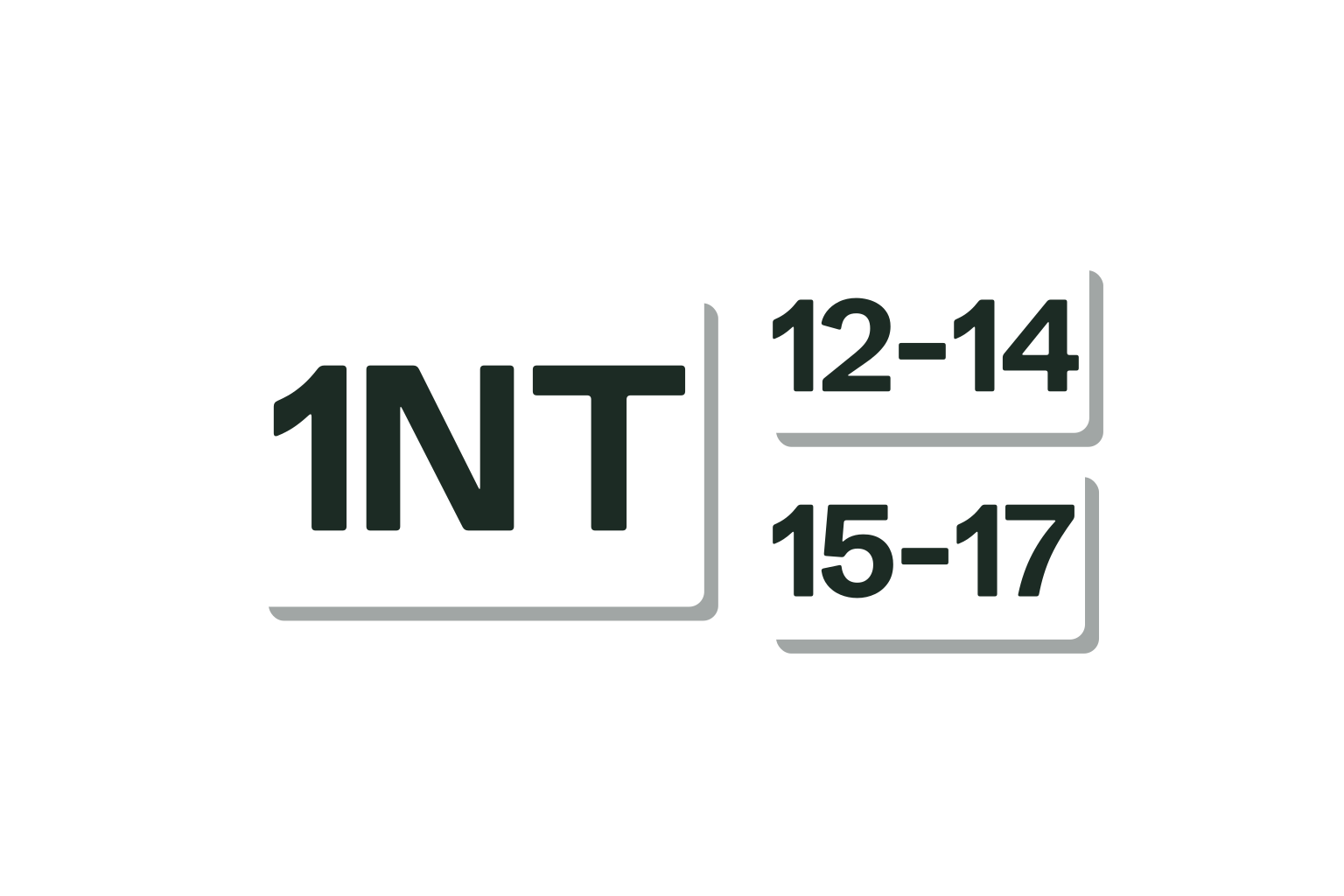
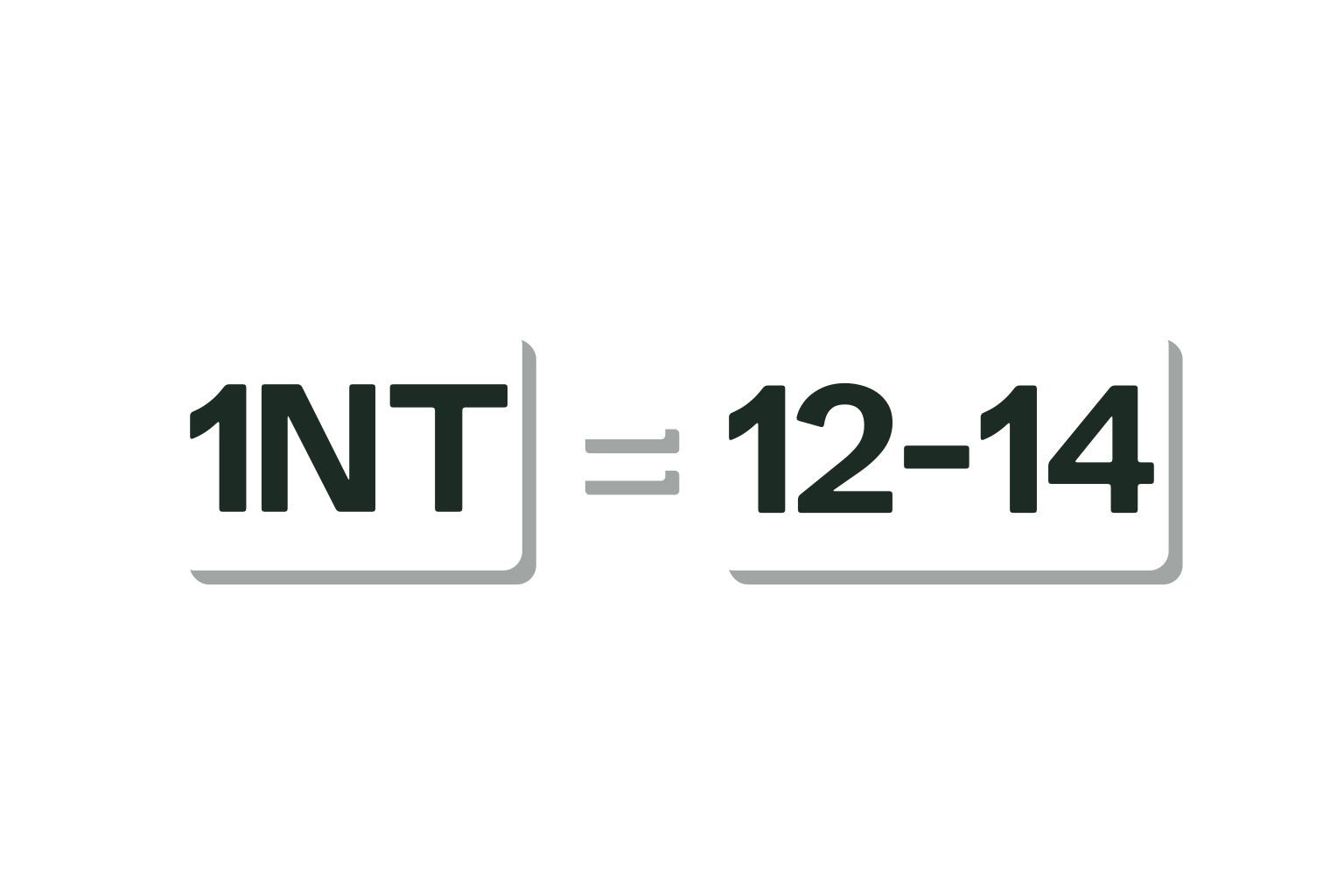
| 1NT | 12-14, balanced (may hold any five-card suit) |
| 2♣ | 23+ points, or any game-forcing hand |
| 2♦ / 2♥ / 2♠ | Weak two: six-card suit, 5-10 points, no side four-card major |
| 2NT | 20-22, balanced |
| 3 of a suit | Preemptive: seven-card suit, about 5-9 points |
| 4 of a suit | Preemptive: eight-card suit, about 5-9 points |
Every suit opening promises at least four cards, majors included. That is the biggest difference from SAYC and 2/1, where 1♥ and 1♠ need five. Hands of 12 points or more may always be opened, and hands of 10 or 11 open when they pass the rule of 20.
Which suit to open
- Open the longest suit.
- Holding two suits of the same length, open the higher-ranking one.
- The one exception is exactly four hearts and four spades: open 1♥. If partner has four spades, the response of 1♠ finds the fit at the one level.
- 4-4-4-1 hands follow their own rule. A red singleton opens the suit below it (1♦ with a singleton heart, 1♣ with a singleton diamond). A black singleton opens the middle one of the three four-card suits (1♦ with a singleton spade, 1♥ with a singleton club).
These rules apply to unbalanced hands and to balanced hands outside the 1NT range. A balanced hand of 12 to 14 opens 1NT, even holding a four-card or five-card major.
The weak 1NT and balanced hands
Acol's 1NT shows 12 to 14 points and a balanced hand: 4-3-3-3, 4-4-3-2 or 5-3-3-2. Stronger balanced hands are shown by opening a suit and choosing the level of the notrump rebid, or by opening 2NT or 2♣.
| Points | Opening | Rebid |
|---|---|---|
| 12-14 | 1NT | - |
| 15-16 | One of a suit | Notrump at the lowest level |
| 17-18 | One of a suit | Jump in notrump |
| 19 | One of a suit | 3NT |
| 20-22 | 2NT | - |
| 23-24 | 2♣ | 2NT |
| 25-27 | 2♣ | 3NT |
After a two-level response the rebids are slightly different. Opener bids 2NT with 15 to 17 and 3NT with 18 or 19, since there is no room left to show three ranges. A five-card major does not stop a notrump rebid.
The ranges are the ones a 15 to 17 notrump uses, moved down by three points, since game still needs about 25 between the two hands. Responder passes with 10 or less, invites with 11 or 12 and bids game from 13. Beginners in the EBU course first learn 2♦, 2♥ and 2♠ as weak takeouts, five or more cards and 0 to 10 points, which opener must pass, and 3♥ or 3♠ as a five-card suit forcing to game. Transfers and the six-card jumps come in the second book, and many club pairs play them.
Weak twos, Acol twos and Benjamin
Acol's two-level openings have changed over the years, and pairs still play them in different ways, so ask a new partner which version they play.
| Opening | Standard English | Classic Acol twos | Benjamin |
|---|---|---|---|
| 2♣ | 23+ points or game forcing | About 23+, game forcing | Strong but short of game, about eight playing tricks |
| 2♦ | Weak two | Acol two: strong, forcing one round | Game forcing |
| 2♥ / 2♠ | Weak two | Acol two: strong, forcing one round | Weak two |
Standard English plays three weak twos, each with a six-card suit and 5 to 10 points. Over a weak two, a new suit is natural and constructive, a raise is preemptive, and 2NT is a forcing inquiry with about 15 or more points. After 2♣, responder bids 2♦ as a negative with 0 to 7 points, and a positive shows 8 or more, with a five-card suit or 2NT on a balanced hand. Opener's 2NT rebid, 23 to 24 balanced, is the only one responder may pass below game.
Acol twos are the older method. 2♦, 2♥ or 2♠ showed a strong hand, normally with at least eight playing tricks and a six-card suit or two good five-card suits, and forced partner to bid once. The only negative response was 2NT. The hands are rare, so many players now prefer to give these openings to weak hands, which come up far more often.
Benjamin Acol, devised by Albert Benjamin of Glasgow, keeps two strong openings and plays only the majors as weak twos. 2♣ becomes the strong hand just short of game, roughly the old Acol two in any suit, and 2♦ takes the game-forcing hands. Sources differ on the details, including the exact strength of each opening and what responder's 2♦ over 2♣ means, so a Benjamin pair should write their own version down.
Higher openings are standard preempts: a seven-card suit at the three level and an eight-card suit at the four level, with few defensive tricks and no side four-card major.
Responding to an Acol opening
Because a major opening may hold only four cards, Acol responders want four trumps to raise it. A new suit at the one level shows 6 or more points and four or more cards. A new suit at the two level shows 10 or more, and 1♠ - 2♥ promises five hearts. Both are forcing for one round and have no upper limit.
The 1NT response is a limit bid of 6 to 9, and it is also where weak hands go when they cannot raise and are too weak for the two level. Over 1♣, Standard English plays 1NT as a balanced 8 to 10 with no other four-card suit, and with 6 or 7 points and four clubs responder raises to 2♣ instead. Responder bids four-card suits up the line and shows a four-card major at the one level before a longer minor at the two level, unless the hand has 13 points or more.
The EBU's second course book allows a single raise on three trumps and an unbalanced hand. A raise to the three level or higher needs four. Holding 16 or more points and four trumps, responder starts with a jump shift and raises later.
Opener's rebids
Opener's second bid separates balanced hands from unbalanced ones. A balanced hand rebids notrump, unless it can support responder's major. So a player who bids two suits promises at least five cards in the first, the rare 4-4-4-1 hands apart. Unbalanced hands fall into three ranges:
- 12 to 15 points. Raise responder's major with four cards, bid a new suit below two of the first suit, or rebid a six-card suit.
- 16 to 18 points. Jump in the first suit with a good six cards, jump raise responder with four trumps, or reverse into a new suit above two of the first suit, which forces one round.
- 19 or 20 points. Jump in a new suit, forcing to game, or bid game directly.
After a two-level response, a jump in a new suit needs only 16 to 19, because responder has already shown 10 points.
The weak notrump in competition
A 12 to 14 notrump leaves room for the opponents to hold most of the points, and they sometimes double it for penalties. In Standard English, after a penalty double of 1NT every suit bid by responder is natural and weak, 2♣ included, so Stayman and transfers are off. A redouble is strong, hoping to make 1NT redoubled or to double the opponents if they run.
The system file gives no point count for the redouble. About 9 points or more is a fair guide, since with partner's 12 to 14 the side then holds more than half of the 40 points. A weak hand with a five-card suit bids it, because two of that suit usually plays better than 1NT doubled. A weak balanced hand with no five-card suit is the awkward case, since Standard English gives it no way out. Many pairs agree an escape method in advance, using artificial calls to find a four-four fit at the two level. If you play one, put it on your convention card, because the opponents are entitled to know it.
When the opponents overcall 1NT instead, responder's double is for takeout, a new suit at the lowest level is not forcing, a jump is forcing, and a cue bid of their suit replaces Stayman with game values. Over a suit opening, Standard English plays the negative double through 2♠. Over the opponents' takeout double, responder redoubles with 10 or more and good defense, and bids 2NT to show a raise to three or more with four trumps.
How often Acol's openings come up
The figures below are exact chances of being dealt each kind of hand, computed from every possible bridge hand with the Standard English rules for choosing the opening. Points are high-card points, and balanced means 4-3-3-3, 4-4-3-2 or 5-3-3-2.
| Hand | Acol opening | Chance | About one hand in |
|---|---|---|---|
| Balanced, 12-14 | 1NT | 9.68% | 10 |
| Balanced, 15-19 | One of a suit, then notrump | 6.19% | 16 |
| Balanced, 20-22 | 2NT | 0.65% | 154 |
| 12-19, any opening of 1♥ or 1♠ | One of a major | 12.99% | 8 |
| 12-19, 1♥ or 1♠ on exactly four cards | One of a four-card major | 3.28% | 30 |
Of all hands with 12 to 19 points, 29.0% open 1NT, and a weak notrump comes up about twice as often as a strong one. Each 1NT opening takes away the opponents' one-level overcalls, which is one reason British players like it.
About one Acol major opening in four (25.3%) holds only four cards. A five-card major system would open every one of those hands in a minor or in 1NT. Those hands are also why Acol raises are built on four trumps. For the same figures across SAYC, 2/1 and Precision, see bridge bidding systems.
Players moving between Acol and SAYC or 2/1 need to adjust three things. A major opening may hold four cards, and a raise needs four trumps. 1NT is 12 to 14 instead of 15 to 17. A new suit at the two level forces for one round, as in SAYC, while in 2/1 it forces to game. Players thinking about a strong club system can compare it with Acol in our Precision guide.
The Standard English Acol bidding tree
The tree below shows Standard English Acol opening by opening, adapted from the English Bridge Union's Standard English system file, with the notrump structure, weak twos, defensive bidding and carding.
Loading the convention from the library.
Common questions
Short answers to what readers ask most.
- What is Acol in bridge?
- Acol is the natural bidding system most British players use. It opens four-card majors, plays a weak 1NT of 12 to 14 points and treats a balanced hand of 15 or more by opening a suit and rebidding notrump. It is named after the Acol Bridge Club in London, where it took shape in the early 1930s.
- What does 1NT show in Acol?
- A balanced hand of 12 to 14 high-card points, which may include a five-card suit. Responder uses Stayman and transfers as over any 1NT, passing with up to 10 points, inviting with 11 or 12 and bidding game from 13.
- What is the difference between Acol and Standard American?
- Acol opens a major with four cards and plays a 12 to 14 1NT. Standard American and SAYC need five cards for 1♥ or 1♠ and play 1NT as 15 to 17. Both use a strong 2♣ and, in their modern forms, weak twos.
- What are Acol twos?
- Acol twos are strong openings of 2♦, 2♥ or 2♠ showing about eight playing tricks and a long suit, forcing for one round, with 2NT as the negative response. Standard English Acol replaced them with weak twos, and Benjamin Acol moves the strong hand to 2♣.
- What is Benjamin Acol?
- Benjamin Acol is a variant devised by Albert Benjamin of Glasgow. It plays 2♥ and 2♠ as weak twos, uses 2♣ for a strong hand short of game and 2♦ for game-forcing hands.
- Is Acol still played?
- Yes. It is the system the EBU teaches beginners, and the weak notrump is the usual choice in British clubs.
Practice: Acol
Eight quick questions on what you just read. For a longer session, bid a hundred hands or take the hundred-question quiz.